Meta’s Zuckerberg Defends Accessible AI Thesis Amid Instagram Rebrand on The Vergecast
The Vergecast episode covers the controversial Instagram logo overhaul, the release of Meta’s open-weight Glimmer model, and broader industry shifts in AI watermarking and content rights.
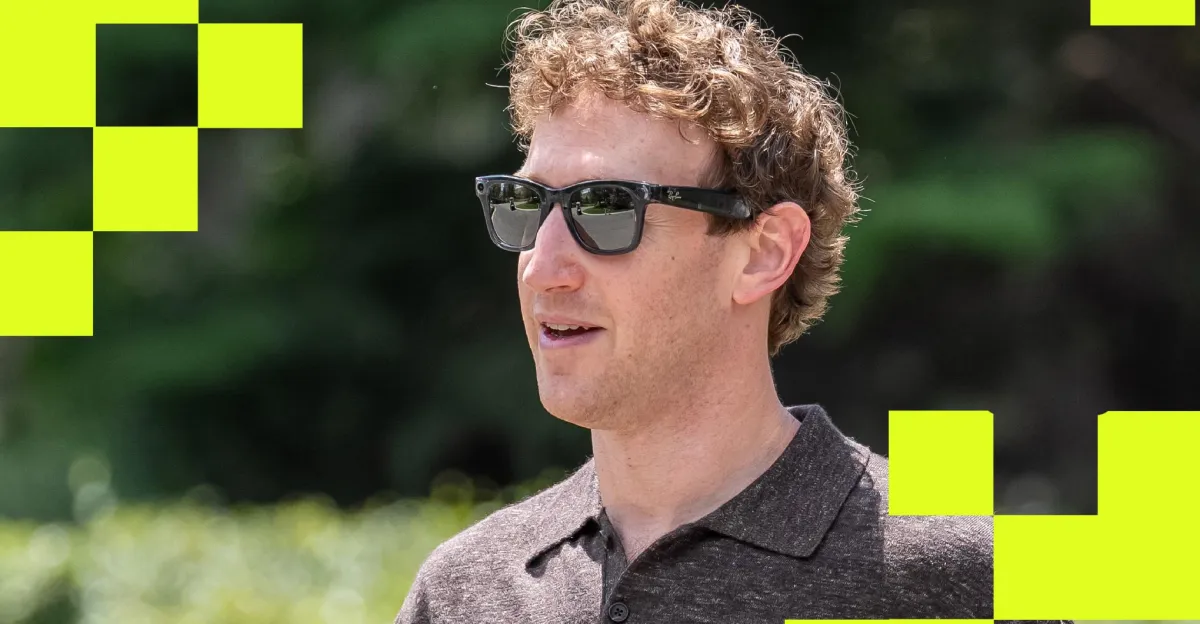
Mark Zuckerberg and Meta executives appeared on The Vergecast to address two significant developments from the company: a radical redesign of the Instagram logo and a comprehensive manifesto outlining the future of artificial intelligence. The discussion, hosted by David and Nilay, provided insight into Meta’s strategic direction regarding brand identity and its stance on widespread technology access.
The podcast opened with an examination of Instagram’s new logo, which departs significantly from the platform’s iconic wordmark. The updated design does not resemble the previous iteration and, according to the hosts, does not appear to spell out "Instagram" in a traditional sense. The hosts noted that the rationale behind the rebrand remains unclear, describing the executive drive to constantly redesign assets as a recurring industry trend without necessarily yielding better outcomes.
Following the logo discussion, the conversation shifted to Meta’s broader AI strategy, anchored by a 6,500-word manifesto published by Zuckerberg. The core thesis of the document argues that providing technology to everyone will ensure positive societal outcomes. The hosts characterised this perspective as a "quite a take," particularly given the complexities observed on platforms like Facebook, while also noting the release of Glimmer, Meta’s new open-weight AI model that allows users to download and run software on personal hardware.
The episode also contextualised Meta’s moves within the wider technology sector, contrasting Glimmer with Meta’s proprietary Muse Spark model, which remains restricted to the company’s application programming interfaces. This divergence highlights the growing split between open-weight models accessible to the public and closed systems controlled by major tech firms.
Additional topics covered in the episode included emerging standards for AI-generated text watermarking and Spotify’s policies regarding AI artists. The hosts also touched on Twitch’s introduction of an opt-out toggle for streamers, allowing them to prevent their content from being used in generative AI training, and Google’s decision to allow users to remove visible watermarks from AI-generated content while retaining invisible verification metadata.