Meta’s Muse mascot raises questions over age controls and data use
Meta says its Muse app is for adults and checks users’ ages. Youth advocates and experts argue its cuddly mascot and planned companion device could appeal to children and make privacy risks easier to overlook.
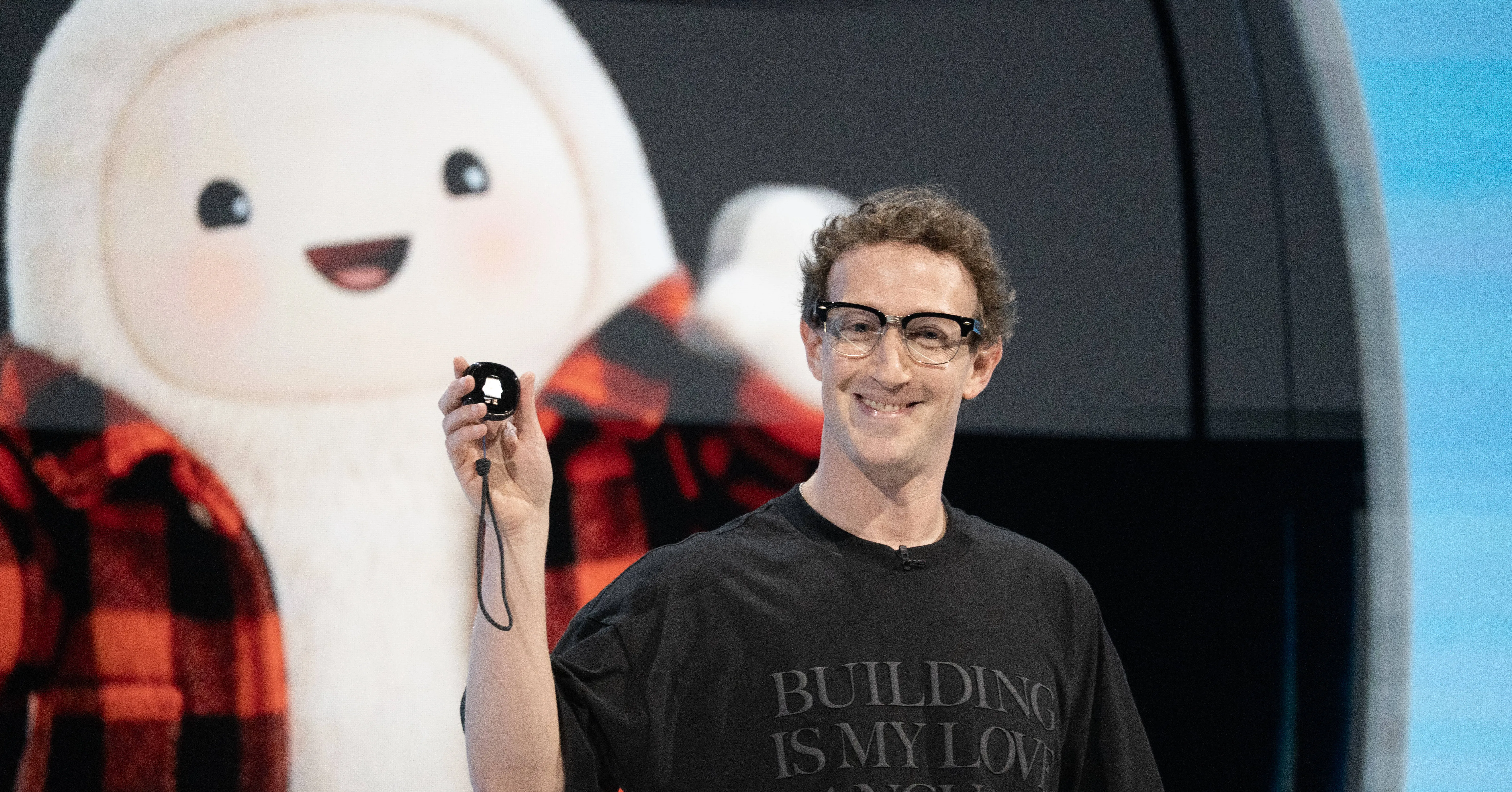
Meta’s Muse AI app is restricted to people aged 18 and over, but its mascot, Jolly, has drawn scrutiny from youth advocates who say the cuddly, customisable character looks designed to appeal to children. The concerns extend to Muse Charm, a Tamagotchi-style companion device Meta plans to release later this year.
Meta told WIRED that users must provide their birth date, that it blocks people it detects may be under 18, and that it conducts additional age checks. The company says Jolly is intended to give users an avatar with personality and make interacting with AI more enjoyable.
Fairplay executive director Josh Golin said Jolly’s rounded design could appeal to very young children. Other experts cited by WIRED were less certain the character was aimed at children, comparing it with the broader use of cute characters in technology marketing.
The debate also centres on how a friendly interface may shape users’ trust. Harvard marketing professor Julian De Freitas said cute design can make a product seem warm and less threatening. Monash University researcher Jathan Sadowski warned that such design could make users less likely to question how an AI agent handles their data. These are concerns about the design, not evidence that children have accessed Muse.
Meta trains its AI models on Muse interactions unless users opt out. The company says a “confidential” virtual machine option planned for later in 2026 could cryptographically prevent it from accessing user data; WIRED did not independently establish the protection it would provide.
Golin urged families to reject the planned device and called on regulators to scrutinise it. The concerns come after Meta settled social media addiction claims in August, agreeing to add restrictive features for teens on Instagram and Facebook and pay up to $16.7 billion.