Meta Ray-Bans become “creep glasses” as dating privacy backlash grows
Singles are reporting being covertly filmed on dates by men wearing Meta’s smart glasses, sparking legal action and regulatory scrutiny over consent and surveillance.
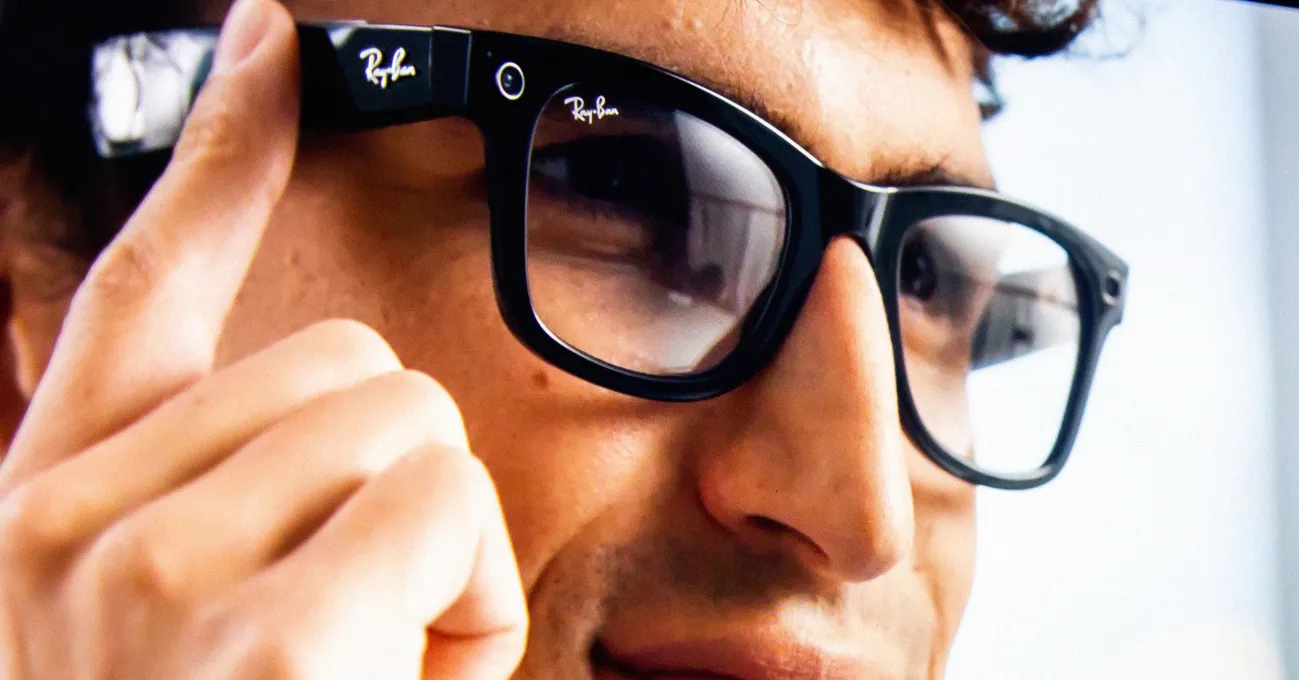
A growing number of singles, particularly women, are reporting that they were filmed without their knowledge on dates by men wearing Meta Ray-Bans smart glasses. The phenomenon, which has earned the hardware the nickname “creep glasses,” has reignited debates over consent in an era where surveillance technology is increasingly integrated into daily life.
The issue gained traction after Courtney McAnuff, a 28-year-old project manager, was filmed by a date in midtown Manhattan in the summer of 2024. McAnuff later discovered footage of the date posted to the man’s Instagram story without prior discussion or consent. “I felt super violated,” McAnuff said. “He felt so free to film me and post it. There was no conversation about it.”
Meta sold more than seven million pairs of Ray-Bans in 2025, contributing to the device’s widespread presence in public spaces. While the glasses feature a front-facing LED that switches on during recording, critics argue the hardware erases clear opportunities for objection compared to smartphones. Furthermore, the notification light can be disabled by hacking the hardware, a vulnerability that Semafor reported led Meta to disable the recording function for thousands of users who had tampered with it.
The privacy concerns have prompted legal actions against Meta and EssilorLuxottica, which owns the Ray-Ban brand. A class action lawsuit alleges that the companies captured and stored users’ private data without consent. Additionally, Meta is facing a proposed class action over biometric data collection following the discovery of an unreleased face-recognition feature called NameTag, which the company scrubbed from its app in June.
Regulatory scrutiny is also intensifying globally. A California bill has passed both chambers, mandating visible recording indicators on recording devices and banning users from turning them off. In Australia, the eSafety Commissioner is urging tech companies to automatically blur faces in recordings to prevent image-based abuse and cyberbullying, noting that smart glasses may create new ways to perpetrate harms such as the livestreaming of violent content.
Psychologists suggest the trend complicates the building of trust in romantic relationships. Gary Lewandowski, a psychology professor at Monmouth University, noted that covert cameras can make dates feel less like getting to know each other and more like fact-gathering. A 2025 YouGov survey of US adults found that 94 percent categorised trust as “very important” in successful relationships, a factor that covert surveillance may undermine.
Meta has defended its devices, stating that it removes accounts and content that violate its policies and launched a social media campaign in August to help people identify when someone is recording. However, for many users, the smart glasses have become the latest privacy issue hiding in plain sight, prompting some to question whether every moment needs to be captured.