Meta pilots AI storybook app StoryKit to test parental response
The new StoryKit tool allows users aged 18 and over to generate custom narratives with moral lessons, marking another foray into automated content creation by the technology firm.
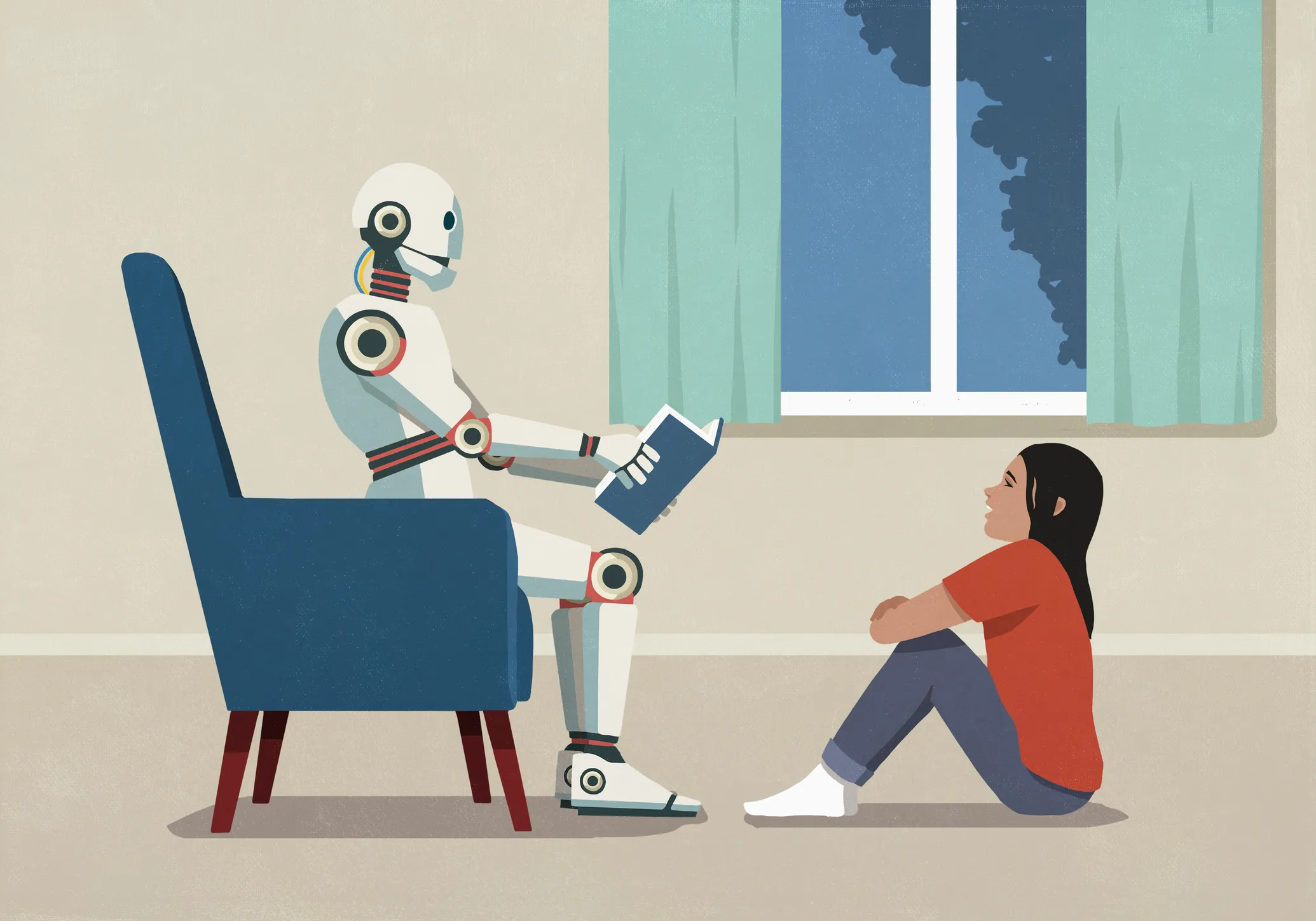
Meta has begun piloting StoryKit, an artificial intelligence application designed to generate children’s storybooks, in a limited number of countries. The initiative aims to gauge parental reaction to automated storytelling tools before any broader rollout. The app was initially identified in the Apple App Store by the technology publication 9to5Mac prior to widespread industry reporting.
According to Meta, the application is classified as a creative storytelling tool that enables users to craft personalised, imaginative narratives for children. The company confirmed to TechCrunch that the pilot is currently restricted to select regions, with specific locations yet to be disclosed. Access to the application is limited to users aged 18 and over.
The platform utilises AI safety filters and does not include social features, meaning users cannot share stories or interact with other app users. To create a narrative, users select a character, which can be generated by taking a photograph of a toy or a person. The app then allows the user to describe the story’s setting and choose specific moral lessons to incorporate into the plot.
Parents can instruct the AI to weave values such as kindness, courage, or empathy into the narrative. The application’s App Store listing states that it generates stories with custom characters, settings, and music, noting that users do not need to write any text themselves. The tool is designed to produce bedtime stories based on these inputs.
This development follows a series of controversial product launches from Meta, including Instagram deepfake generators and features dubbed “pervert glasses.” The company has also previously promoted virtual reality environments for professional meetings. Storytelling remains a longstanding human tradition, often drawing from mythology and fables, while modern parents frequently face demanding schedules that may make automated solutions appealing.
The long-term impact of AI-generated bedtime stories on child development and family dynamics remains unknown. It is also unclear to what extent parents will adopt or reject the technology as it continues its pilot phase. Meta’s vision for the future of digital interaction continues to evolve, with this latest tool targeting the domestic sphere.