Meta faces $200 billion exposure in federal child privacy trial
Twenty-nine state attorneys general allege the tech giant violated federal privacy laws, with testimony highlighting internal culture and potential changes to core platform features.
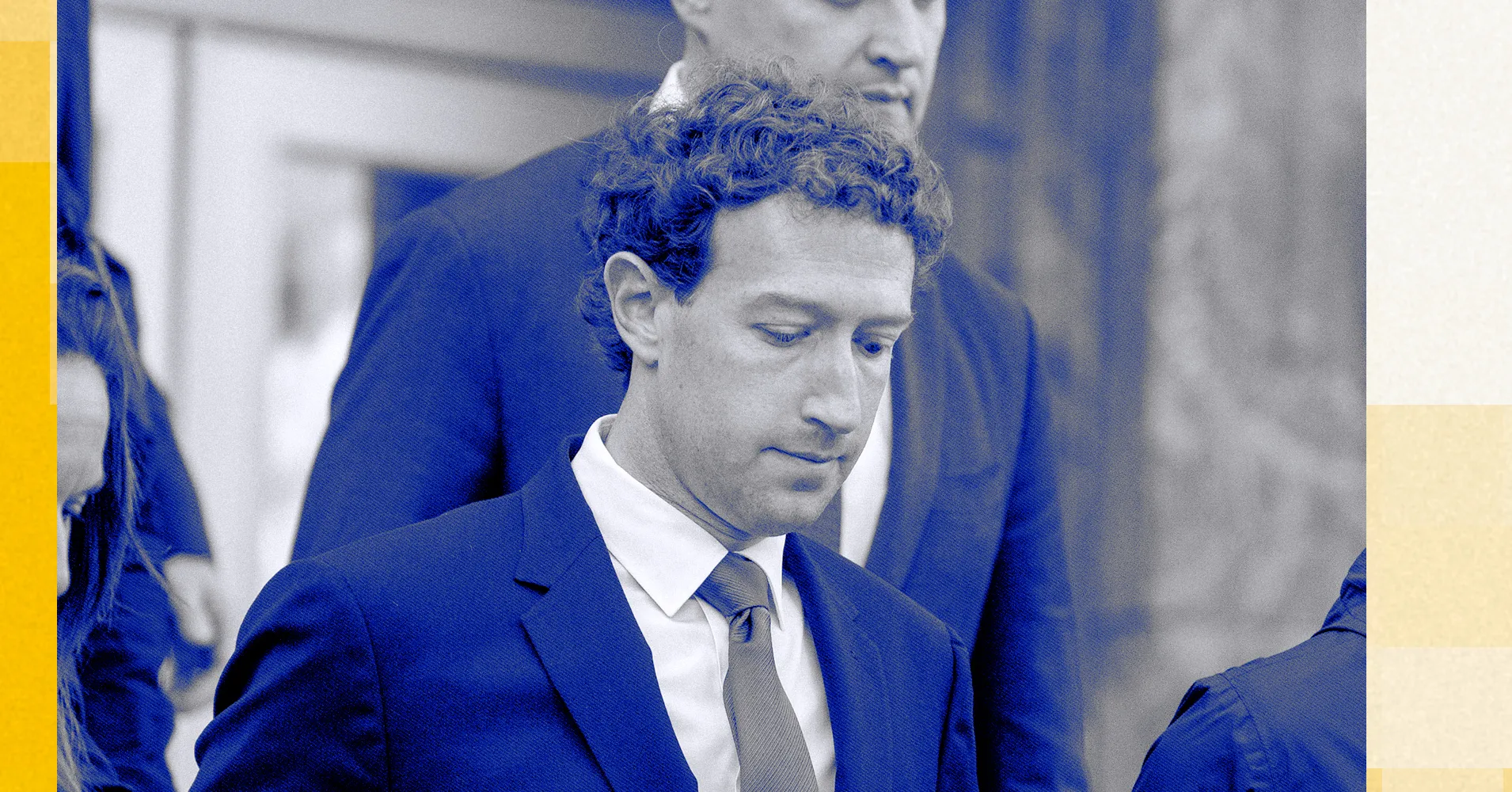
Meta is currently defending itself in a federal civil trial in the US District Court for the Northern District of California, where 29 state attorneys general allege the company violated the Children’s Online Privacy Protection Act (COPPA). The plaintiffs, led by officials from California, Colorado, Kentucky, and New Jersey, claim Meta collected personal data from children under 13 without parental consent and made deceptive statements about its platforms. The case focuses specifically on Facebook and Instagram, with the state attorneys general seeking up to $200 billion in damages.
The trial, presided over by Judge Yvonne Gonzalez Rogers, heard opening arguments on Tuesday. Megan O’Neill, deputy attorney general at the California Department of Justice, argued that Meta deliberately hooked children on its apps and harvested their data. She stated that the jury would see how various features work individually and together to keep users engaged. In response, Meta lead attorney Paul Schmidt outlined the company’s safety features and shifted some responsibility to users, noting that some teens struggle to manage their time and that negative content is inevitable on social media platforms.
Testimony from former Meta employee Arturo Bejar, heard on Tuesday and Wednesday, provided insight into the company’s internal culture. Bejar stated that Mark Zuckerberg did not prioritise youth safety and that it was “near impossible” to screen products for potential harms. He described a culture where employees could test feature ideas that spurt growth without rigorous safety checks. The trial was paused on Thursday due to a sick juror.
Meta maintains that it satisfied COPPA requirements and is protected by Section 230 of the Communications Decency Act, which limits platform liability for user-generated content. However, the outcome of this trial could force significant changes to Meta’s core features. If the company loses, it may be compelled to implement stricter age-gating, enforce time limits for younger users, and provide more algorithmic transparency. It might also be required to eliminate features such as “likes” and the “endless scroll” for younger demographics.
Juror perspectives suggest a nuanced view of parental responsibility. While many jurors indicated they barely use Facebook, using it primarily for Marketplace, they do use Instagram and have concerns about their own or their children’s usage. Observers noted that jurors expect parents to play a role in oversight rather than placing all blame on the company. This dynamic reflects a broader cultural conversation about social media usage and accountability.
The trial follows other recent legal setbacks for Meta, including a landmark loss in California and a $940 million payment in New Mexico for being a public nuisance. Competitors such as Snap, TikTok, and YouTube have settled similar suits alleging harm to children’s mental health, while Meta has chosen to go to trial. The outcome of this case could determine whether Meta is held accountable for how content is served to younger users, potentially altering the company’s growth-at-all-costs ethos.
According to WIRED, the trial represents a significant moment for the tech industry, with the potential to change outcomes for a generation of young users. The case highlights the tension between platform design for engagement and the need for safety measures for impressionable audiences.