Merz and Macron announce German participation in French nuclear exercises
The initiative aims to bolster European self-reliance amid US security uncertainties, though Berlin insists the move complements NATO commitments rather than replacing them.
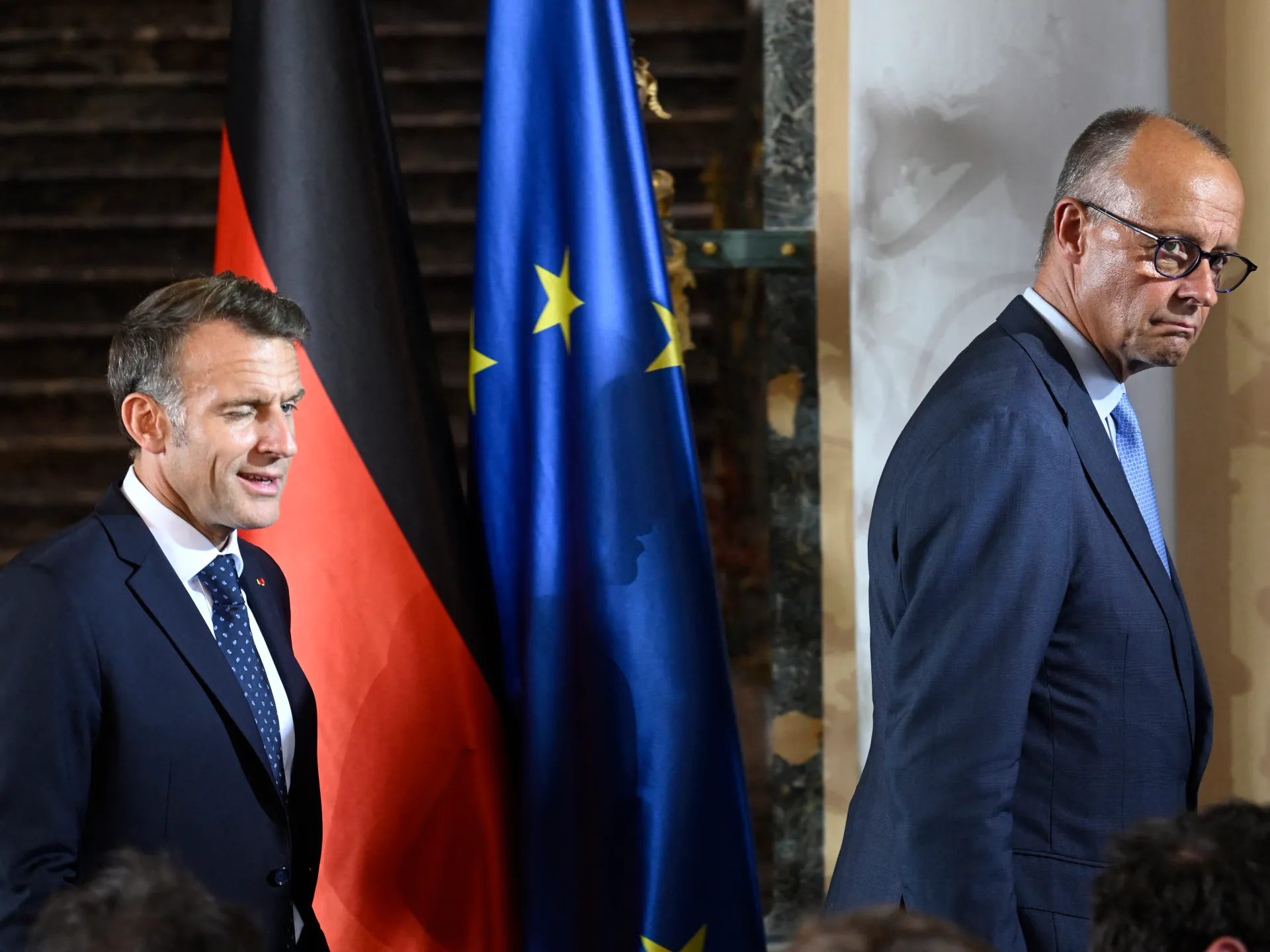
German Chancellor Friedrich Merz and French President Emmanuel Macron have announced that German conventional forces will participate in a French nuclear exercise before the end of 2026. The agreement, unveiled during a joint media conference near Cologne, represents a significant escalation in Franco-German defence cooperation and signals a potential shift in European security doctrine. Merz described the initiative as a step towards a new shared deterrence strategy, noting that while it may lead to a formalised doctrine, it is currently too early to confirm such a designation definitively.
The announcement follows a symbolic joint in-flight refuelling exercise conducted on Thursday between French Rafale jets, which are designed to deliver nuclear weapons, and German Eurofighters. This operational coordination underscores the practical dimensions of the partnership, which Macron outlined as involving the sharing of closely held practices, joint exercises, and initiatives designed to foster greater trust among military personnel and experts. The French president clarified that Germany would play a vanguard role in this deterrence framework, which is critical for Europe’s collective security.
Merz emphasised that the cooperation is intended to enhance European defence self-reliance in the face of growing uncertainty regarding United States security commitments. Washington has recently revealed plans to reduce certain military assets assigned to NATO operations in Europe, and President Donald Trump has frequently criticised the transatlantic alliance. Despite these geopolitical shifts, the German chancellor stressed that the new Franco-German arrangements complement, rather than replace, Germany’s existing commitment to NATO’s nuclear umbrella.
The move marks a departure from the stance of previous German administrations, which had declined offers of nuclear cooperation with France. Merz argued that the current global environment requires new answers, particularly as Germany implements a major rearmament plan aimed at building Europe’s strongest conventional military by 2039. The participation of German forces adds significant weight to the French initiative, which was expanded in March when Macron announced an increase in the French nuclear arsenal and invited broader European partnership.
Macron confirmed that the enhanced cooperation would not involve financial contributions from Germany, focusing instead on operational integration and knowledge transfer. France remains the only nuclear power within the 27-nation European Union since the United Kingdom’s departure in 2020. The French initiative has already attracted interest from several other nations, including the UK, Poland, the Netherlands, Belgium, Greece, Sweden, Denmark, and Norway, suggesting a widening scope for European nuclear deterrence discussions.