Memory and storage stocks rally as AI bid broadens beyond NAND
SK Hynix, Seagate Technology and the Roundhill Memory ETF rose sharply as the broader S&P 500 weakened.
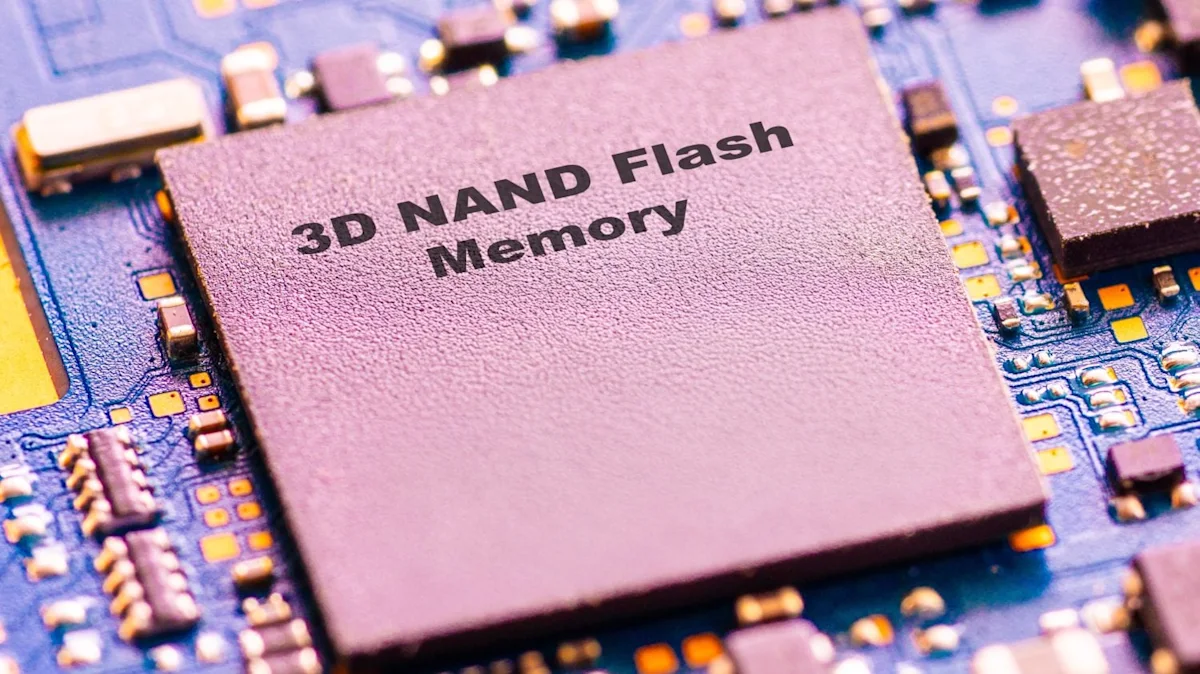
Memory and storage shares rallied in a broad sector move, with investor demand linked to AI infrastructure and hyperscale data-centre storage extending beyond NAND stocks.
SK Hynix rose 7% and Seagate Technology gained 5%, while the Roundhill Memory ETF climbed 5%. The S&P 500 fell 0.4%, according to the account published by Yahoo Finance.
The move encompassed DRAM, high-bandwidth memory and hard-drive storage stocks. The supplied account said there was no fresh company-specific announcement explaining SK Hynix’s rise, pointing instead to a reported repricing across the memory and storage complex.
SK Hynix’s most recent preliminary quarterly results cited in the report showed revenue of KRW79.32 trillion and operating profit of KRW60.54 trillion, alongside continuing demand for high-bandwidth memory used in AI infrastructure.
Seagate reported fiscal fourth-quarter 2026 revenue of US$3.63 billion and guided for fiscal first-quarter 2027 revenue of US$4.1 billion, plus or minus US$100 million. The company’s chief executive attributed the results to robust cloud data-centre demand and disciplined execution.
The report also cited Western Digital’s chief executive as saying roughly 80% of storage in a hyperscale data centre is held on hard drives. Western Digital was described as part of the wider hard-drive peer group, although its same-session performance was reported inconsistently in the source material.