Medical examiner rules Brandon Clarke’s death accidental, citing combined drug effects
Clarke, 29, was found unresponsive in a San Fernando Valley residence on May 11; the Memphis organisation has paid tribute to the seven-year veteran following the certification of his death.
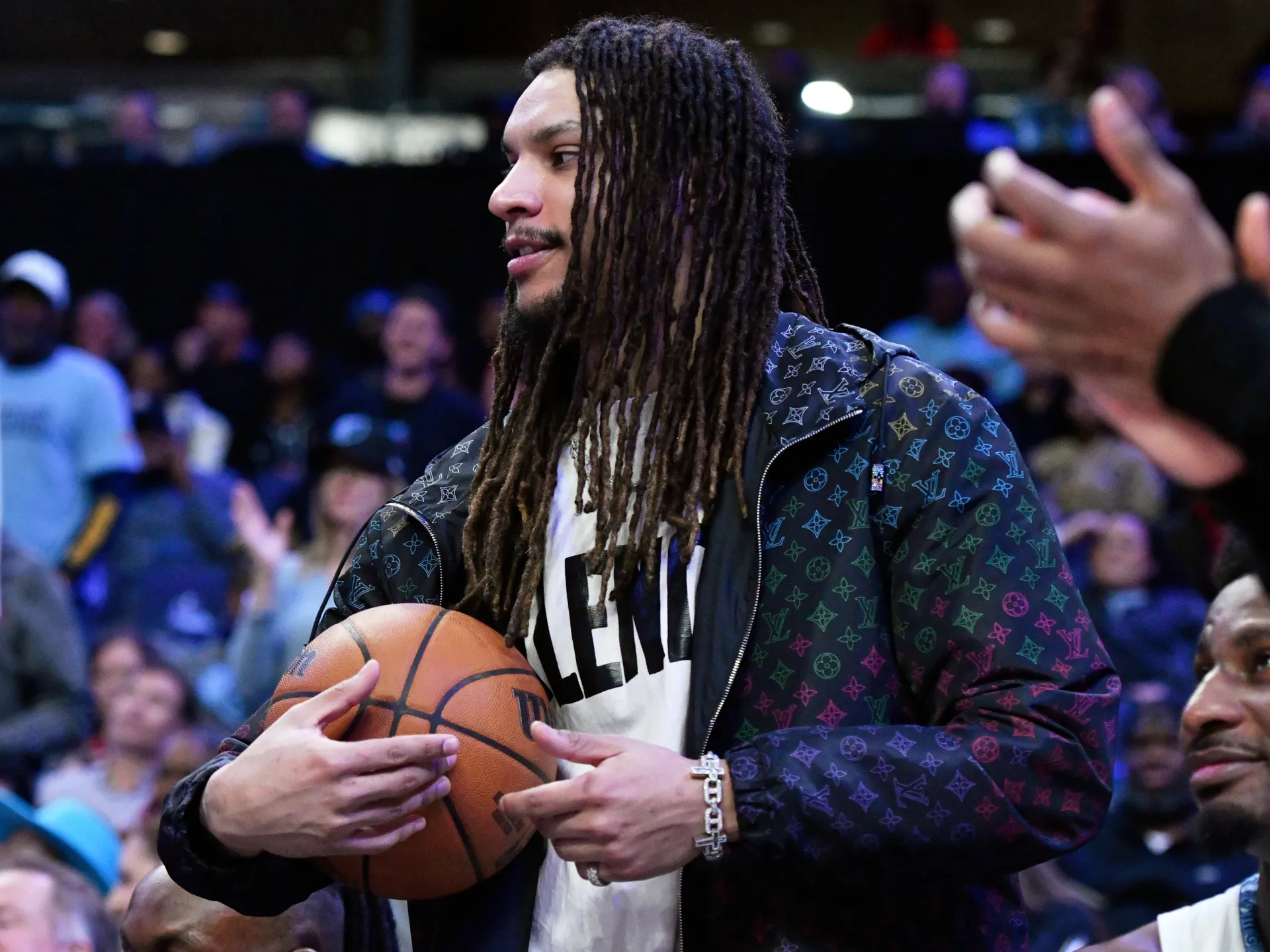
The Los Angeles County Department of Medical Examiner has formally certified the death of Memphis Grizzlies forward Brandon Clarke as accidental, attributing it to the combined effects of heroin and cocaine. The report, issued on Friday, also identified multiple undisclosed prescription medications as a significant contributing condition to the 29-year-old’s passing.
Clarke was discovered unresponsive in a bedroom at a residence in California’s San Fernando Valley on May 11 and was pronounced dead at the scene by paramedics. The medical examiner conducted an examination of his body the following day before finalising the certification of the cause and manner of death. The full medical examiner’s report has not yet been released to the public, and the specific prescription medications involved have not been disclosed.
The certification follows a period of declining health for the NBA veteran. Clarke spent his entire seven-season career with the Grizzlies after playing college basketball at Gonzaga, averaging 10.2 points and 5.5 rebounds over 309 games. His career was significantly impacted by injuries in his final years; he missed more than a year after tearing an Achilles tendon in 2023 and appeared in only two games during the 2025-26 campaign due to knee and calf ailments.
Legal complications preceded his death by approximately six weeks. Clarke was arrested in Arkansas on charges including possession and trafficking of a controlled substance following a traffic stop. The timing of these charges has drawn attention alongside the medical findings, though the examiner’s report focuses on the toxicological evidence found at the time of death.
In response to the news, the Memphis Grizzlies issued a statement remembering Clarke as an “outstanding teammate and an even better person” whose influence extended into the Memphis community. The organisation highlighted his contributions beyond the court, noting his impact on the local area during his tenure in the NBA.