Measles outbreak in East Darfur kills 70 as health infrastructure collapses
Community officials report a severe epidemic driven by conflict and supply failures, while government data remains significantly lower.
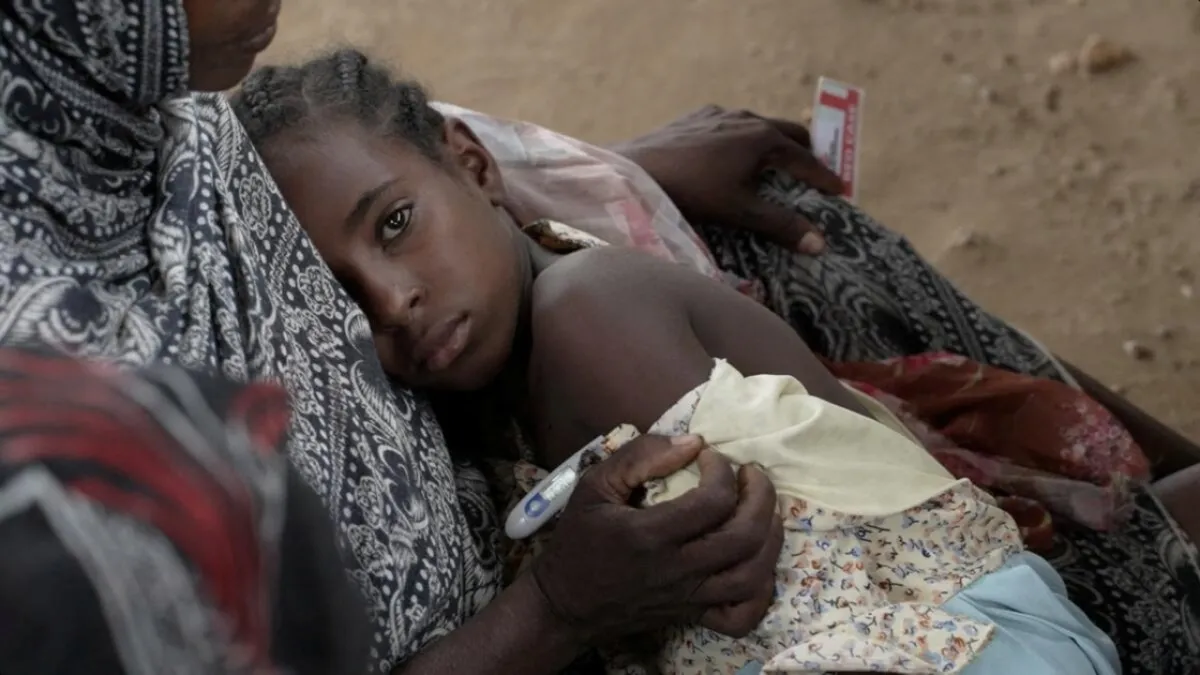
A measles epidemic has struck Labado in East Darfur, Sudan, resulting in approximately 70 deaths and 1,000 infections since March. The outbreak affects 12 residential neighbourhoods within a population of roughly 12,000, which includes displaced residents. Community officials attribute the crisis to the collapse of public health infrastructure and the displacement of medical staff due to ongoing conflict.
Discrepancies exist regarding the scale of the outbreak. Community crisis unit coordinator Mohamed Abdel Aziz reports the higher figures of 70 deaths and 1,000 cases. In contrast, East Darfur's health director, Dr Jabir al-Nadeef, reports only 26 deaths and 300 cases across four districts. This divergence underscores the challenges in tracking disease spread amidst the region's instability.
The crisis is exacerbated by a critical shortage of medicines and vaccines. While private pharmacies stock essential drugs, residents cannot afford them due to severe economic constraints. Intravenous fluids cost 8,000 Sudanese pounds, and antibiotics range from 10,000 to 15,000 pounds. Consequently, families often rely on unaffordable private options or travel long distances to access basic treatment.
Vaccines were finally delivered from Chad via UNICEF on 11 April, ending a prolonged supply gap. A state-wide vaccination campaign is scheduled to run from 18 to 24 April. UNICEF states that vaccination coverage in Darfur has fallen to 46%, with routine immunisation for other diseases dropping to 48% in 2024.
The outbreak has claimed the lives of multiple children in adjoining homes in the al-Nil neighbourhood, highlighting the rapid transmission within the community. Medical personnel have left the area, forcing those with means to seek treatment abroad. Local teams note that the inability to afford care and the absence of qualified doctors are driving the high mortality rate.
UNICEF spokesperson Eva Hinds noted that insecurity and damaged health facilities are constraining the response. While catch-up campaigns have been completed in Central, West, and parts of North and South Darfur, East Darfur remains a priority for the mid-to-end April rollout.