McLaren CEO Signals Potential Shift to In-House Engine Development
The Woking-based squad remains contracted to Mercedes until 2030, but comments made at the Indy 500 have sparked debate over the logistical and economic feasibility of becoming a works manufacturer.
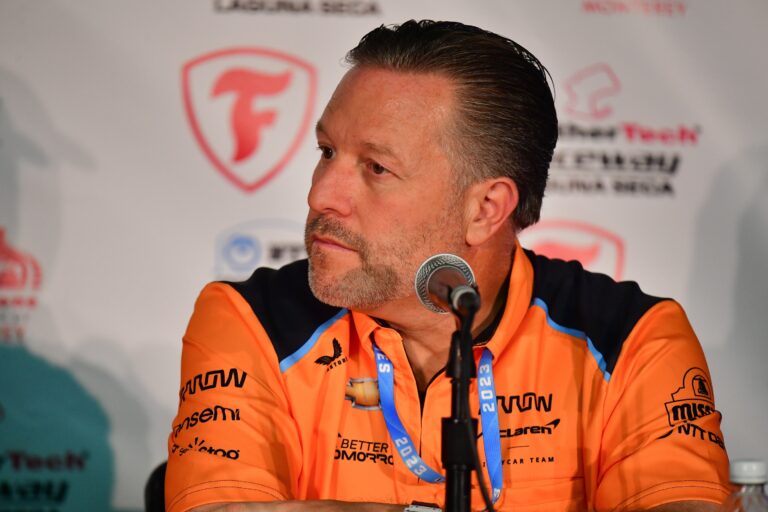
McLaren Formula 1 CEO Zak Brown has indicated the team is open to developing its own power units, contingent on future FIA engine regulations becoming financially viable. The comments were made during a media session at the Indy 500, responding to suggestions by FIA President Mohammed Ben Sulayem regarding a potential shift to a simpler, lighter V8 engine formula around 2030.
Brown confirmed that while McLaren is currently satisfied with its partnership with Mercedes, the team would evaluate an independent engine project if it first "financially makes sense". He noted that the organisation "couldn't be happier with Mercedes" at present, but acknowledged that the prospect of building its own technology remains on the table should the economic conditions align.
The discussion was triggered by Ben Sulayem’s suggestion that a return to a V8 formula could tempt independent teams like McLaren to cease buying customer engines. This potential strategic shift away from its current customer status has divided fans on social media platform X, with supporters citing McLaren’s multi-series success in IndyCar, WEC, and F1 as evidence they could "outgrow the customer team position".
Skeptics, however, have highlighted significant logistical and financial hurdles. Critics pointed out that McLaren does not currently manufacture its own road car engines and suggested the team should prioritise race strategy improvements. One user theorised that Brown’s comments might indicate a lack of trust in Mercedes regarding information sharing, though Brown has not explicitly confirmed any such tensions.
McLaren is currently contracted to use Mercedes power units until the end of the 2030 season. Being a customer team offers financial benefits but creates vulnerabilities to supplier engineering risks. This was recently underscored when the FIA banned the Mercedes 130°C thermal expansion trick between the Canadian and Spanish Grands Prix, highlighting the risks customer teams face when suppliers are subject to technical directives.
Becoming a full works manufacturer is described as "insanely expensive", making financial viability a critical factor for any such move. While McLaren’s recent endurance experience in the World Endurance Championship is seen by some as potentially relevant to a future F1 engine program, the team remains bound by its current contractual obligations for the foreseeable future.