Mayon Volcano eruption blankets Bicol region in ash cloud
Al Jazeera Global News reports the event on 2 May 2026, noting significant coverage of the Bicol area while details on plume height and evacuation status remain absent from current briefings.
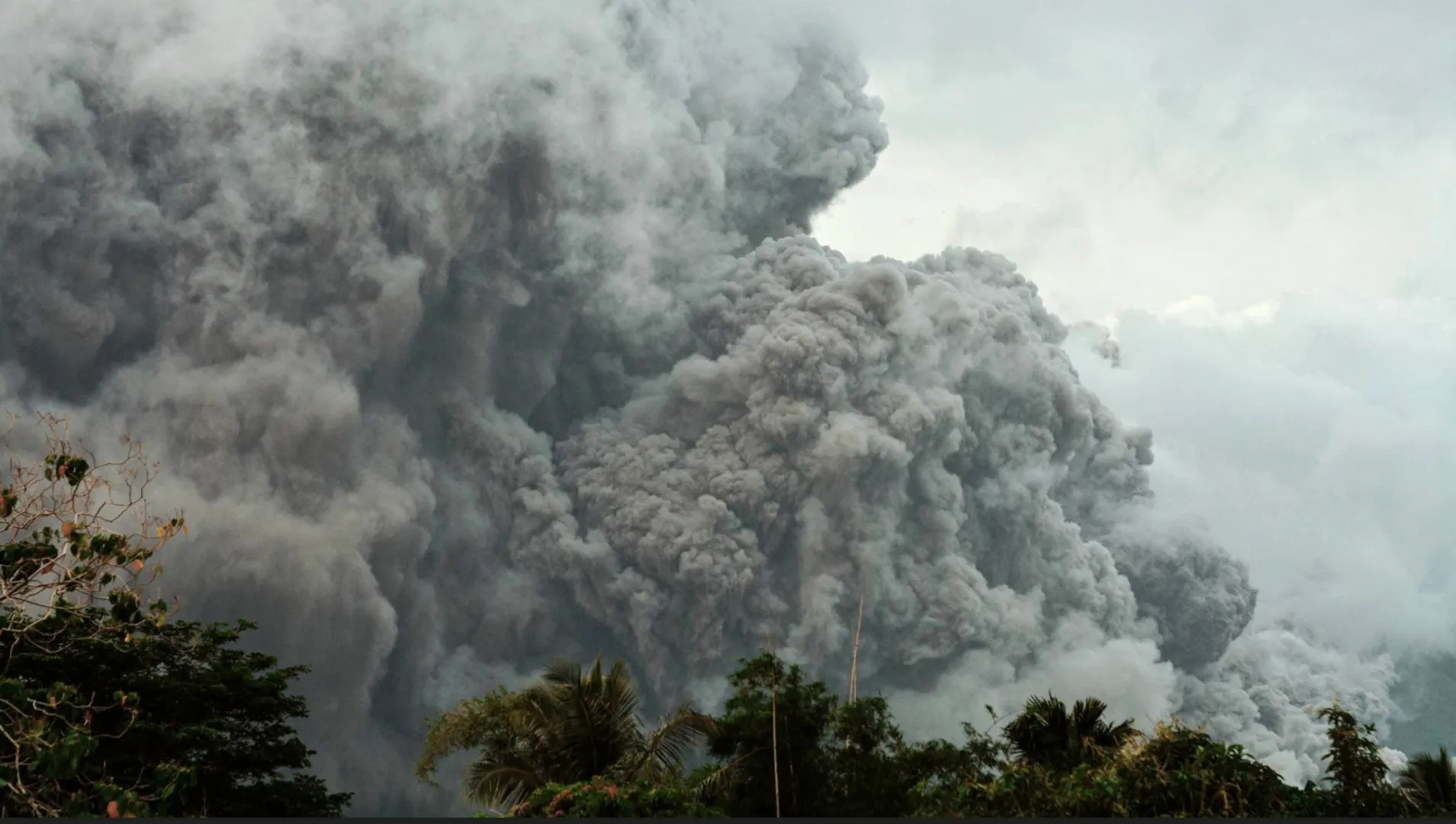
The Mayon Volcano, a historically active stratovolcano situated in the Bicol region of the southern Philippines, erupted on 2 May 2026. According to initial reporting by Al Jazeera Global News, the event resulted in the release of a substantial cloud of ash and debris that subsequently blanketed the local area. This development marks a significant geological occurrence in the southern part of Luzon island, where volcanic activity frequently poses risks to established communities and infrastructure.
While the eruption has been confirmed through media reports, specific technical data regarding the incident remains limited in the available source material. Details concerning the precise height of the ash plume, the duration of the eruptive phase, and the direction in which the cloud is drifting have not been quantified. Consequently, the full scope of the atmospheric impact on the surrounding region cannot yet be assessed based on the current information provided.
The structural implications for the Bicol region are immediate but unverified in terms of scale. Although volcanic eruptions in this sector are known to impact local populations, the precise number of individuals affected or the extent of damage to critical infrastructure remains unquantified. The absence of specific metrics suggests that a comprehensive impact assessment is still in progress or has not been disseminated by monitoring authorities.
Governance and safety protocols remain the primary unknowns in this developing situation. There is currently no mention in the source text regarding whether evacuation orders have been issued or implemented by local or national authorities. The responsibility for monitoring such events typically lies with the Philippine Institute of Volcanology and Seismology, yet their official confirmation regarding safety measures and ash dispersion data has not yet been made public.
The reliability of the initial report warrants cautious interpretation until further verification is obtained. The original source text exhibits redundancy, repeating the core statement multiple times, which may indicate a truncated feed or automated generation rather than a detailed investigative piece. Until official government assessments from PHIVOLCS or local Bicol authorities are available, claims regarding the severity of the impact should be treated with professional skepticism.
As the situation evolves, the focus must remain on the institutional response rather than the dramatic visual of the ash cloud. The lack of specific timelines regarding the onset of the eruption or the current status of the ash drift highlights the need for transparent communication channels between the Philippine government and international observers. Further updates are required to determine the necessary policy responses and humanitarian requirements for the affected zones.