Mauritania’s preventive counter-extremism strategy relies on state-sponsored female religious guides
As neighbouring Sahel states grapple with escalating armed violence, Mauritania maintains relative stability through a policy focused on theological de-radicalisation rather than purely military intervention.
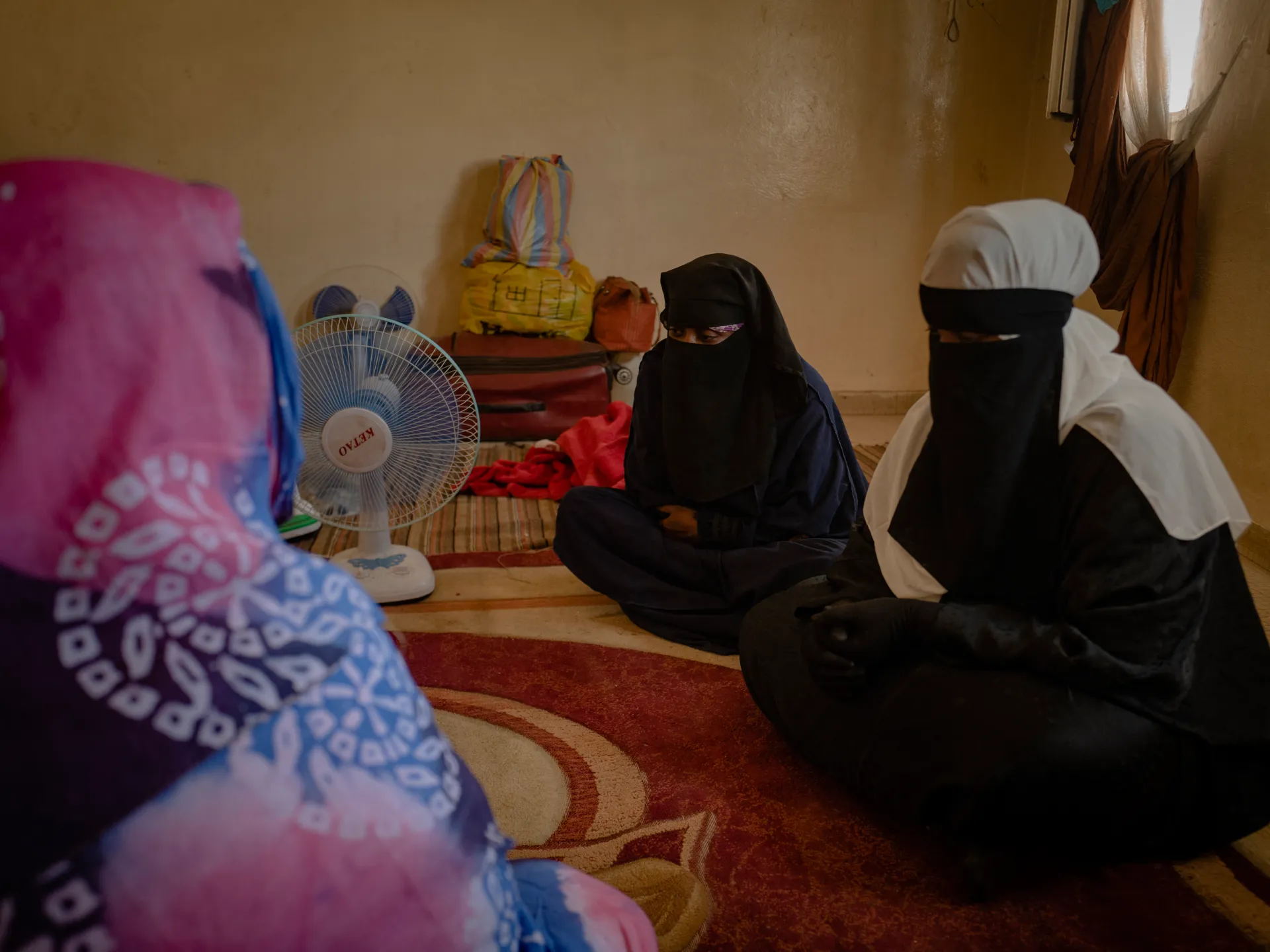
Mauritania has maintained a degree of stability in the volatile Sahel region through a state-sponsored programme that deploys female Islamic spiritual guides, known as mourchidates, to counter violent extremism. Deployed by the Ministry of Islamic Affairs since 2021, these trained women operate within prisons, schools, and local communities to provide religious counselling and challenge extremist narratives. The initiative represents a distinct policy shift from the armed responses dominating the broader region, focusing instead on preventive de-radicalisation and community trust-building.
The model draws inspiration from Morocco’s post-2003 religious reforms, which were introduced following the Casablanca bombings. Youssra Biare, a Moroccan researcher, notes that Morocco’s version of the programme offers an established example of women’s religious leadership as a tool for peace-building. The Mauritanian approach adapts this framework to address social and emotional factors that make young people vulnerable to radicalisation, aiming to strengthen community cohesion through culturally grounded interventions.
A critical component of the strategy involves engagement with detainees linked to armed groups operating in the Sahel. Prisons are widely recognised as sites where recruitment networks operate, yet Mauritania has pursued a different trajectory. Mourchidates are trained in Quranic interpretation, Islamic jurisprudence, and theological history, distinguishing them from general social workers. This expertise allows them to engage detainees on ideological terms, dismantling theological justifications for violence and offering alternative readings of Islamic texts.
Aminata Dia, executive director of the nonprofit Malaama, emphasises that the programme addresses violent extremism through prevention and religious dialogue rather than security responses alone. The guides work to counter the exploitation of unemployment and marginalisation by armed groups, providing a coherent narrative that challenges the language of faith used to recruit young men and women. This preventive work is conducted in community spaces to reach individuals before they become vulnerable to recruitment.
The strategy emerged after Mauritania endured security attacks in the mid-to-late 2000s, prompting a reassessment of its counter-terrorism approach. The resulting comprehensive strategy combines intelligence, community engagement, and religious reform. While the country has largely avoided the scale of attacks seen in neighbours such as Mali and Burkina Faso, analysts note that the model’s success relies on specific conditions, including respected female scholarship and credible state authority, which may not be easily replicable in other parts of the region.