Mathlouthi reflects on Arab Spring legacy ahead of Paris performances
In an interview with FRANCE 24, Emel Mathlouthi describes her song 'Kelmti Horra' as a central element of the political movements that reshaped the region, while preparing for weekend concerts in the French capital.
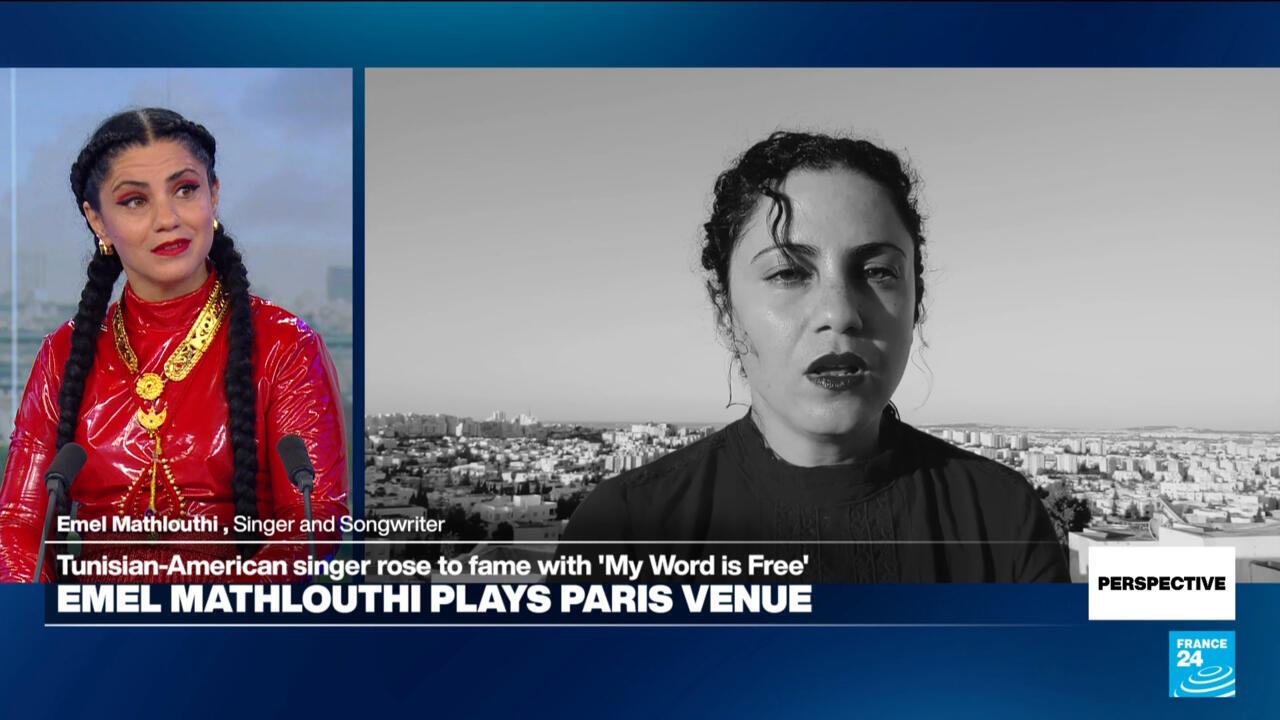
Tunisian-American artist Emel Mathlouthi has reflected on her role in the Arab Spring, marking 15 years since the uprisings began that reshaped political landscapes across the region. Speaking to FRANCE 24 ahead of her weekend performances in Paris, Mathlouthi expressed admiration for the protesters and her own contribution to the movement.
Mathlouthi’s song 'Kelmti Horra', which translates to "My Word is Free", became widely associated with the anti-government protests. In the interview, she described the track as an anthem during the period when uprisings against authorities spread across multiple countries. The broadcaster framed the song as being at the heart of the Arab Spring, though this characterization reflects Mathlouthi’s perspective on her impact rather than an objective historical consensus.
The Tunisian-American artist joined the FRANCE 24 programme 'Perspective' to discuss the legacy of the movement. She noted that the Arab Spring was "something from the people for the people", highlighting the grassroots nature of the political changes that occurred in the early 2010s.
Mathlouthi’s current activities include a series of concerts in Paris this weekend. The interview served as a precursor to these performances, allowing her to contextualise her musical work within the broader political history of the region. The article was published on 28 May 2026, coinciding with the 15th anniversary of the initial waves of protest.
While the source material highlights Mathlouthi’s view of her song’s significance, it is important to note that the claim of the track being central to the Arab Spring is attributed to her own assessment and the broadcaster’s framing. The uprisings involved complex political dynamics across the Arab world, and Mathlouthi’s reflection offers a personal insight into the cultural dimension of those events.
The interview underscores the enduring connection between political activism and cultural expression in the region. Mathlouthi’s continued presence in the public eye, particularly through performances in major cities like Paris, demonstrates the lasting resonance of the Arab Spring era.