Massie ousted in Kentucky primary as pro-Israel lobbying faces renewed scrutiny
The loss of Thomas Massie has intensified debate over the influence of organisations such as AIPAC, with critics urging registration under the Foreign Agents Registration Act.
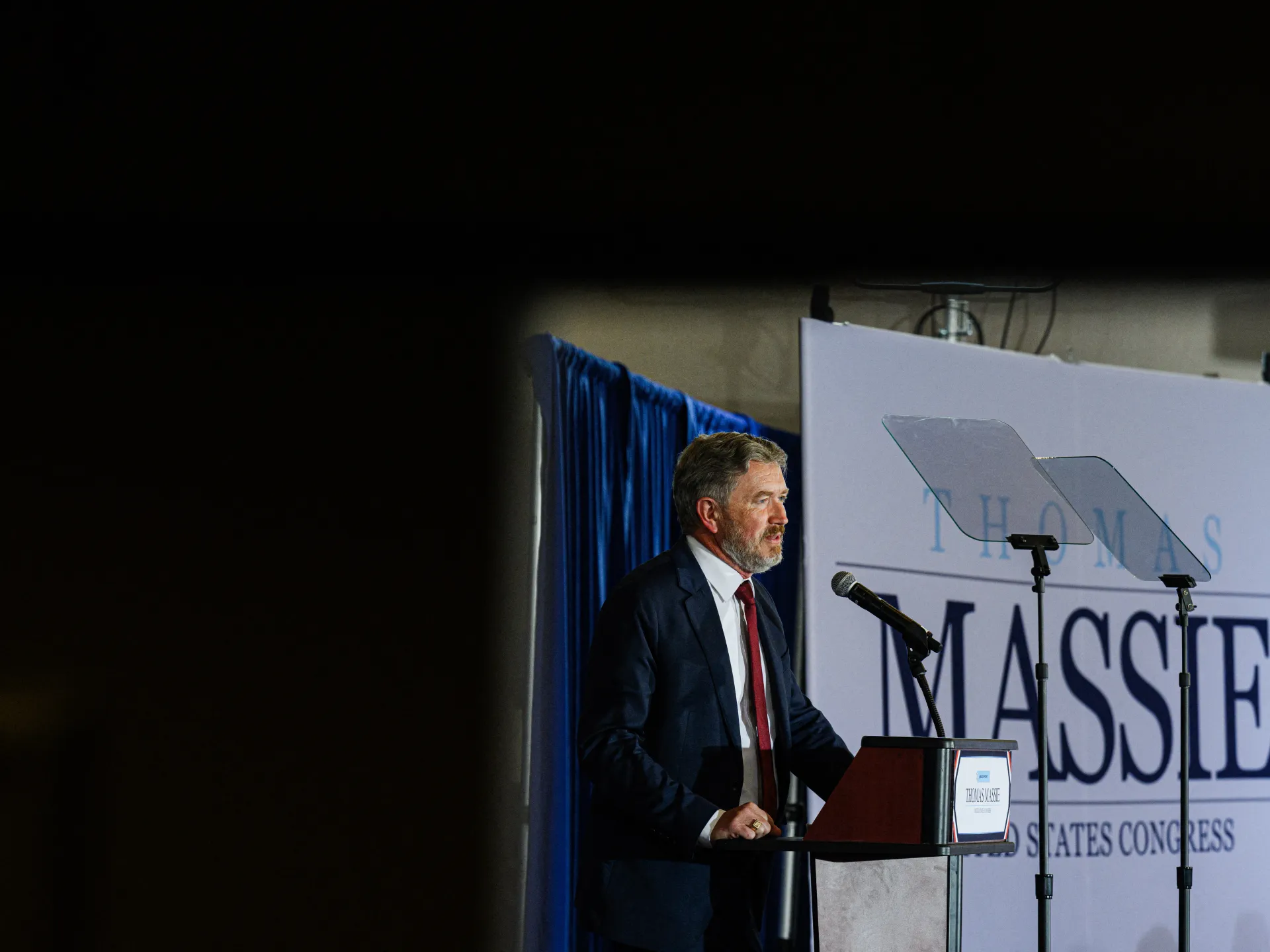
US Representative Thomas Massie has been defeated in the Kentucky Republican primary by challenger Ed Gallrein, a result that has exposed deep fractures within the party regarding foreign policy and lobbying influence. Massie lost by approximately nine percentage points in a contest characterised by extraordinary financial backing for his opponent and direct intervention from the highest levels of the federal government.
The campaign against Massie was heavily funded by pro-Israel organisations and billionaire donors, including Miriam Adelson. President Donald Trump deployed his political weight to endorse Gallrein, transforming the local race into a national confrontation. In an unusual move for a sitting cabinet officer, Defense Secretary Pete Hegseth travelled to Kentucky the day before the vote to campaign personally for Gallrein, a decision taken against the backdrop of ongoing US military operations in Iran.
Massie’s defeat followed his persistent criticism of military aid to Israel and his demands for the release of Jeffrey Epstein files. His campaign was targeted by outside groups that saturated the district with advertising portraying him as disloyal and extreme. Pre-election polling indicated a sharp generational split, with Massie drawing the bulk of his support from Republican voters under 40, while trailing significantly among those over 60.
The result has sparked broader debate regarding the influence of foreign-aligned lobbying groups. Critics argue that organisations such as the American Israel Public Affairs Committee (AIPAC), which are closely aligned with a foreign government’s strategic interests, should face transparency requirements. Calls are increasing for AIPAC to register under the Foreign Agents Registration Act, a shift that signals the normalisation of such scrutiny within mainstream conservative discourse.
While the Israel lobby retains significant institutional power, the intensity of the campaign has produced unintended political effects. Many voters have begun questioning why sums linked to Israeli interests are dominating local elections, leading to growing resentment over what is perceived as disproportionate foreign influence. This sentiment suggests that the insulation previously enjoyed by pro-Israel advocacy groups may be eroding as public fatigue with foreign entanglements and donor-driven politics intensifies.