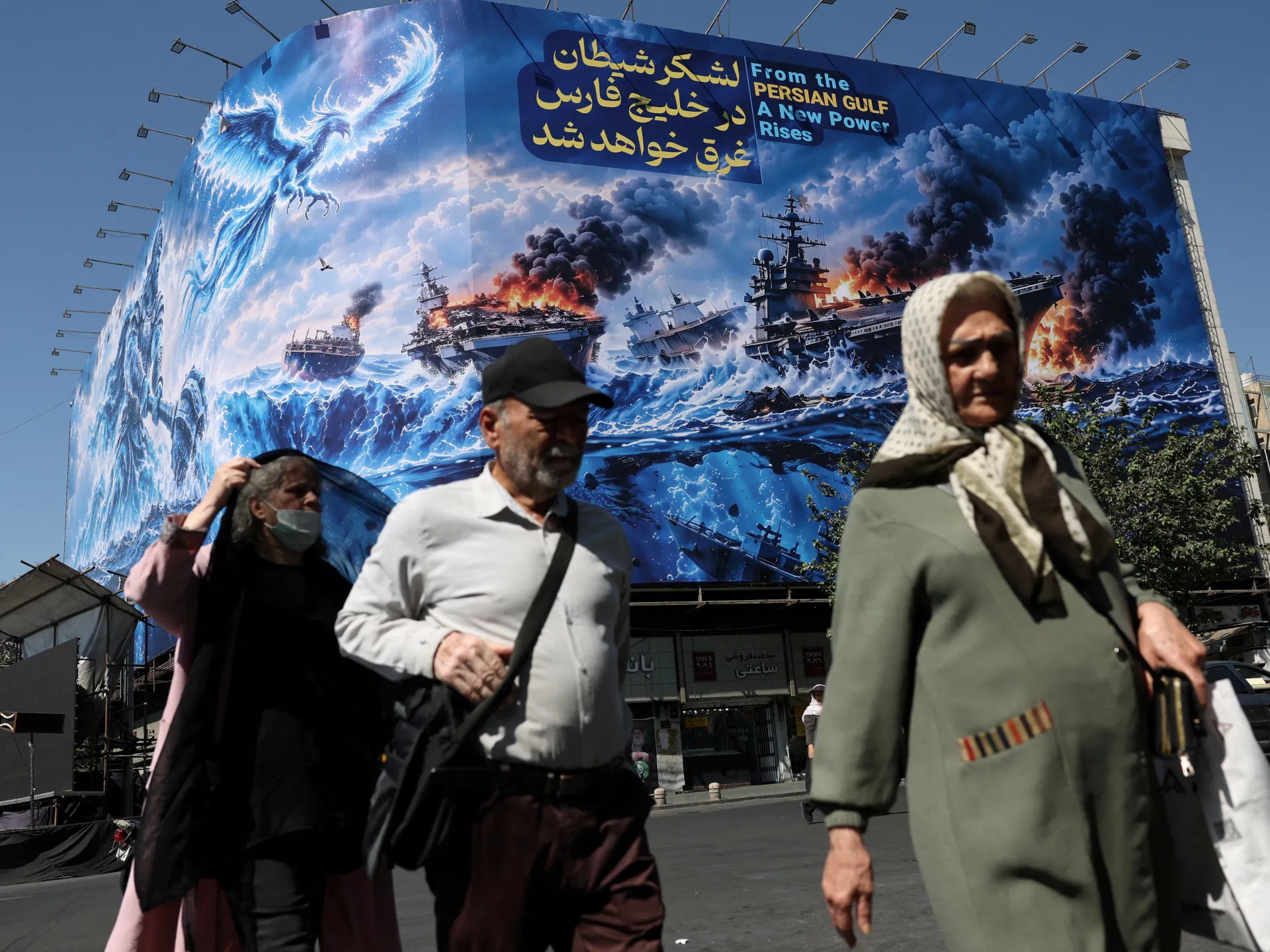
Markets rally on diplomatic shift as Trump halts Iran strikes
Wall Street and Asian indices post significant gains following US President Donald Trump’s announcement that planned military action against Iran has been cancelled and a peace settlement is imminent.

Global equity markets experienced a sharp reversal on Thursday and Friday, driven by US President Donald Trump’s announcement that he had cancelled planned military strikes against Iran and declared a peace deal with Tehran imminent. The diplomatic pivot triggered a broad-based rally across major financial centres, with Wall Street’s S&P 500 index rising nearly 1.8 per cent to record its largest single-day gain since April. The Nasdaq Composite jumped 2.5 per cent, while the Dow Jones Industrial Average gained approximately 1.9 per cent, ending a three-day losing streak.
The positive sentiment extended into the Asia Pacific session on Friday, where markets in Japan, South Korea, Taiwan, Hong Kong, and Australia all posted gains. South Korea’s Kospi surged more than 8 per cent, leading the region, while Japan’s Nikkei 225 rose as much as 4 per cent. Australia’s ASX 200 climbed about 1.8 per cent, and Hong Kong’s Hang Seng Index increased by more than 1 per cent. The rally reflects a broader trend of dip-buying interest following a rapid advance in the bull market, which analysts describe as a healthy reset rather than a structural break.
In the commodities sector, Brent crude oil prices fell about 1 per cent to below $89.50 a barrel. The decline was driven by expectations that the Strait of Hormuz, a critical artery for global energy supplies that carries about one-fifth of global energy in peacetime, may reopen. The market rebound follows a sharp policy reversal by President Trump, who had threatened hours earlier to intensify hostilities by targeting Iran’s oil industry, specifically Kharg Island, through which 90 per cent of its exports pass.
Speaking from the Oval Office, President Trump stated that a “great settlement” had been reached, subject to the finalisation of documents, with an expectation that a deal could be signed as soon as the weekend. This announcement marks a significant shift in US policy, coming just days after the start of a fragile ceasefire in April. The rapid change in military posture has prompted scrutiny of the stability of the agreement and its potential impact on long-term geopolitical risk.
Iran has not publicly confirmed the deal, though a spokesman for the Ministry of Foreign Affairs told reporters that a memorandum of understanding with the US is “under consideration”. Market observers note that sustained gains will depend on the actual signing of the deal and the complete reopening of the Strait of Hormuz. Khoon Goh of ANZ Bank and Fabien Yip of IG Group highlighted that while the easing of geopolitical risk is positive, investors remain cautious until the diplomatic framework is fully formalised.