Maritime security deteriorates as suspected pirates hijack cargo vessel Sward off Somalia
Officials report the hijacking of the St Kitts and Nevis-flagged ship carrying cement from Egypt to Kenya, the second such incident off Somalia in less than a week.
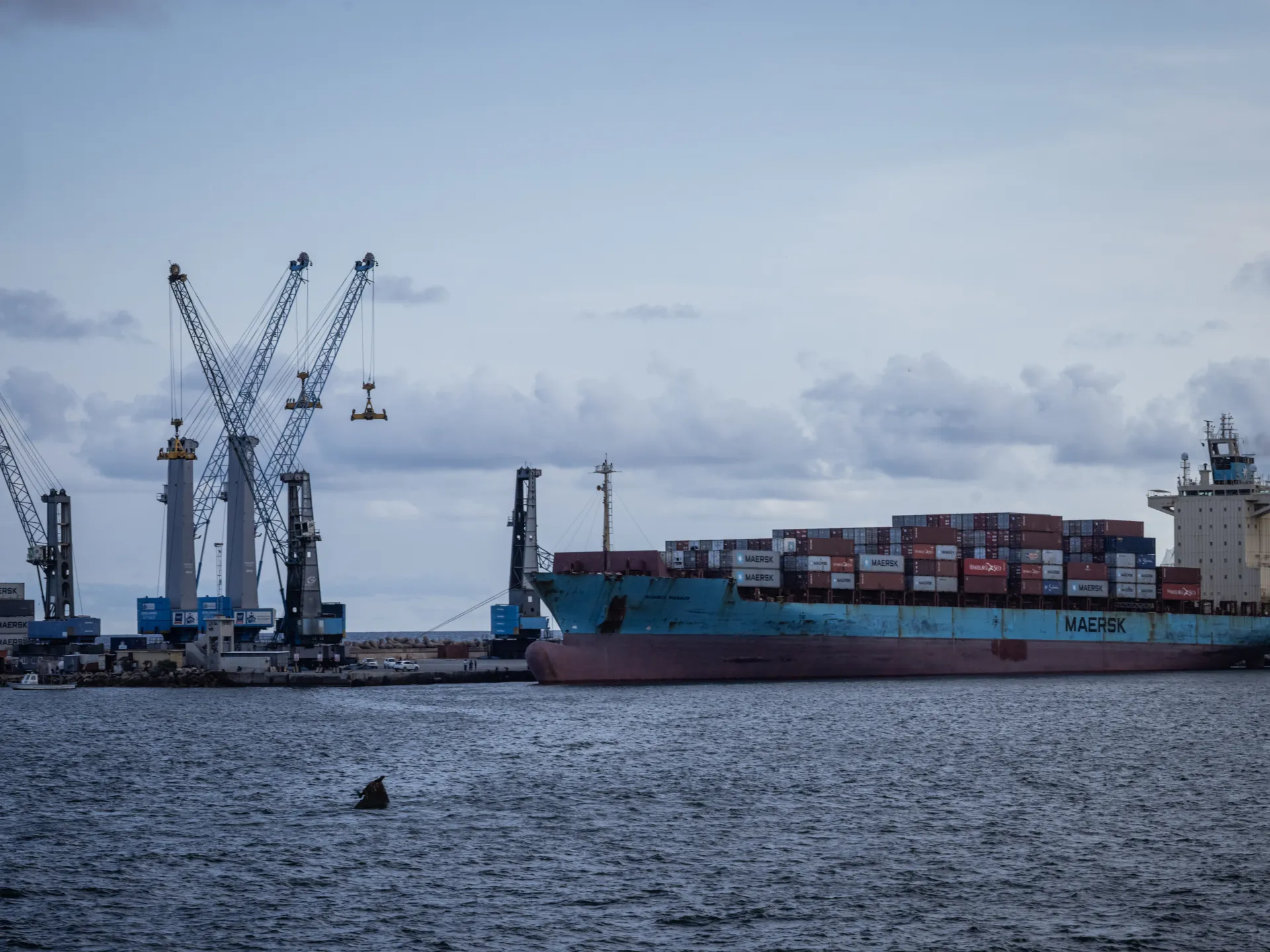
Suspected pirates have seized the cargo vessel Sward off the coast of Somalia, marking a concerning resurgence of maritime insecurity in the Horn of Africa. The incident, reported by officials and maritime security groups, occurred on Monday approximately six nautical miles northeast of the coastal town of Garacad. The vessel, flying the flag of St Kitts and Nevis, was in the process of transporting cement from Suez, Egypt, to the port city of Mombasa in Kenya.
According to the British maritime security group Vanguard, nine armed men boarded the ship, taking control of the vessel and its 15-person crew. The crew consists of two Indian nationals and 13 Syrians. United Kingdom Maritime Trade Operations (UKMTO) confirmed that the ship is currently assessed to be under pirate control and is proceeding toward the Somali coastline. The Puntland Maritime Police Force has been notified of the situation and is actively monitoring the developing events.
This attack represents the second hijacking off Somalia in less than a week, highlighting a sharp increase in activity after a significant decline between 2018 and late 2023. The resurgence in pirate operations coincides with a strategic shift in the region, where anti-piracy patrols diminished as international resources were redirected to counter threats posed by Houthi rebels in Yemen near the Bab al-Mandeb strait.
The timing of the hijacking underscores the broader geopolitical instability affecting global trade routes. The incident occurs amidst severe disruptions caused by the closure of the Strait of Hormuz during the United States-Israeli war on Iran. This blockage has forced a substantial portion of global petroleum shipments to divert to the Suez Canal or take the much longer journey around the Cape of Good Hope, increasing the vulnerability of vessels navigating the region.
Historical data indicates that Somali piracy caused significant disruption from 2008 to 2018 before international naval patrols and improved security measures greatly reduced attacks. However, the recent trend suggests that the combination of reduced naval presence and the diversion of funds to other security threats has created an environment conducive to renewed piracy. This is further evidenced by a separate incident on Wednesday involving the seizure of an oil tanker in waters off Puntland while heading to Mogadishu, as well as an armed attack on a commercial tanker off the coast of Mogadishu in November.
The current situation illustrates how regional conflicts and the closure of critical chokepoints can inadvertently exacerbate security threats in adjacent waters. As shipping lines navigate the complications of the Hormuz closure, the increased density of vessels in the Indian Ocean and Red Sea corridors presents new opportunities for armed groups to exploit weakened maritime security frameworks.