Maritime insurance premiums surge as Hormuz and Bab al-Mandeb closures disrupt global trade
Amidst the US-Israel war on Iran, the Iranian Islamic Revolutionary Guard Corps has declared the Strait of Hormuz closed, citing control over mine-laid routes. Concurrently, the Iran-aligned Houthi group in Yemen has imposed a naval blockade on Saudi Arabian ports, escalating risks for vessels in the Bab al-Mandeb.
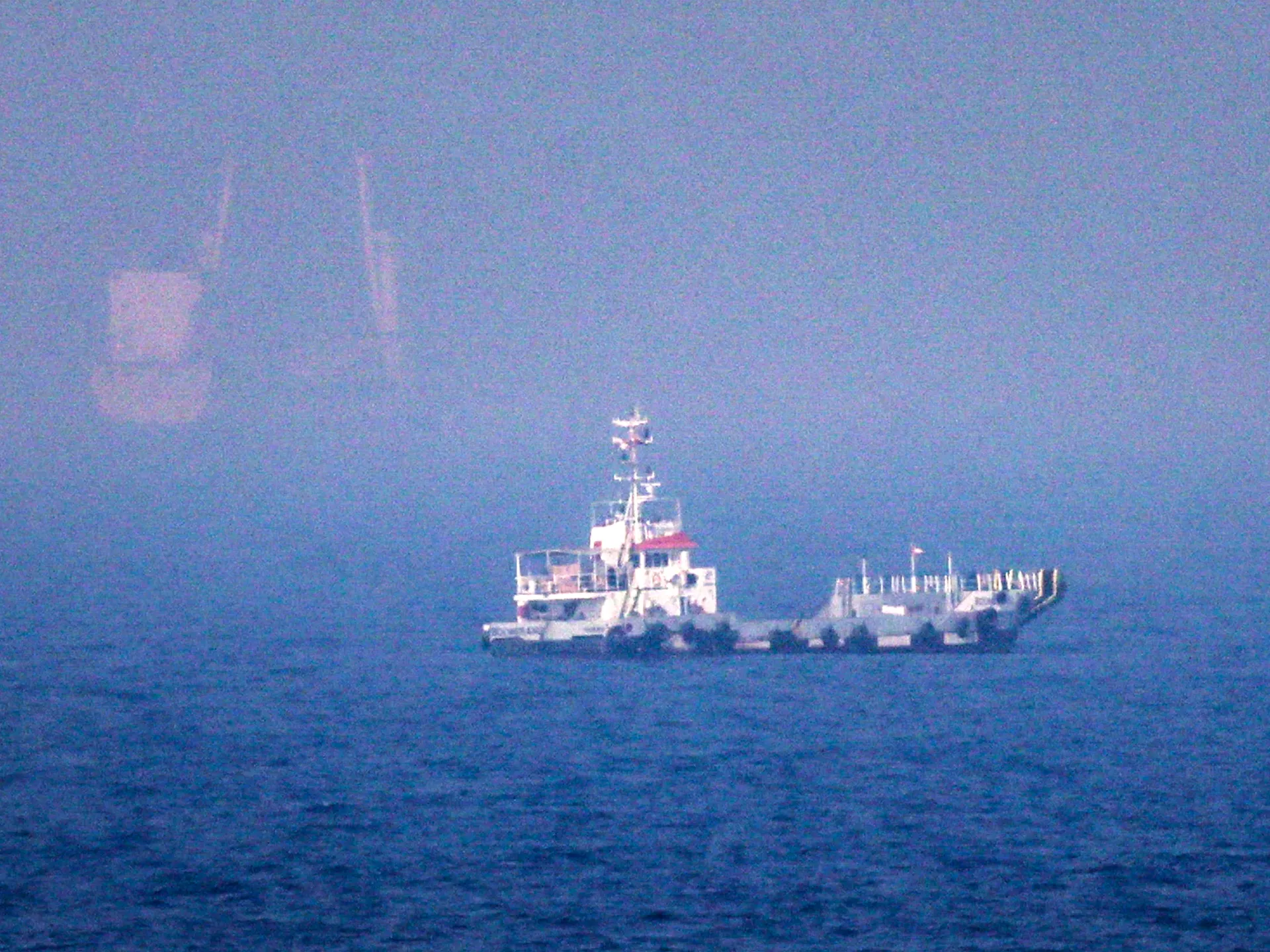
Marine insurance premiums for vessels traversing the Strait of Hormuz have risen to four times the five-year average, currently costing $77.96 per metric tonne of crude oil. This surge follows the closure of the waterway amid the US-Israel war on Iran, with the Iranian Islamic Revolutionary Guard Corps (IRGC) declaring the strait closed and citing control over the area. The IRGC stated that an explosion set a tanker ablaze after it attempted to navigate a mine-laid route, claiming the three targeted ships were acting under US orders.
According to a report published by S&P Global on Wednesday, war-risk insurance costs in the waterway have increased from between 1 per cent to 3 per cent of a ship’s hull value to between 7.5 and 10 per cent. The current rate for a 270,000-metric-tonne cargo from the Gulf to China could cost approximately $21 million for a single tanker voyage. Traffic through the strait has collapsed significantly, with ten vessels passing through on Tuesday, down from 16 on Monday, compared to the pre-war average of 120 to 140 vessels daily.
Concurrently, the Iran-aligned Houthi group in Yemen announced a naval blockade of Saudi Arabian ports and ships in the Bab al-Mandeb Strait. The Houthis claimed attacks on two Saudi oil tankers, the Encelia and the Layla, framing the operation as a “siege-for-siege” response to what they described as a 12-year siege by Saudi Arabia on Yemen. Riyadh has rejected these claims, but the group’s actions have sharply impacted transit activity.
Transit activity through the Bab al-Mandeb fell by 30 per cent on Tuesday, with total crossings dropping to 29 vessels from 41 on Monday. Insurance premiums for vessels traversing the Bab al-Mandeb are currently at 0.5 per cent of hull value, compared with 0.1 per cent for ships navigating the Red Sea near western Saudi Arabia, away from Houthi-controlled waters. Marcus Baker, global head of marine, cargo and logistics at Marsh, noted that perceptions of risk have risen, though not to the same extent as in the Strait of Hormuz.
The disruptions come despite a memorandum of understanding signed between the US and Iran on June 17 to extend their ceasefire and continue peace talks. This agreement resulted in a 60-day negotiation period when large-scale hostilities had largely subsided until the second week of July, when they resumed. The renewed conflict has driven insurance rates to their peak in March at about $140 per metric tonne, with the current rate remaining stable since Monday after rising from $73.80 per metric tonne.