Malta’s Fearne urges Europe to reframe Mediterranean as bridge, not border
Chris Fearne outlines Malta’s position on migration, the Israel-Palestine conflict, Ukraine and Libya, arguing that defensive border policies are insufficient for current global crises.
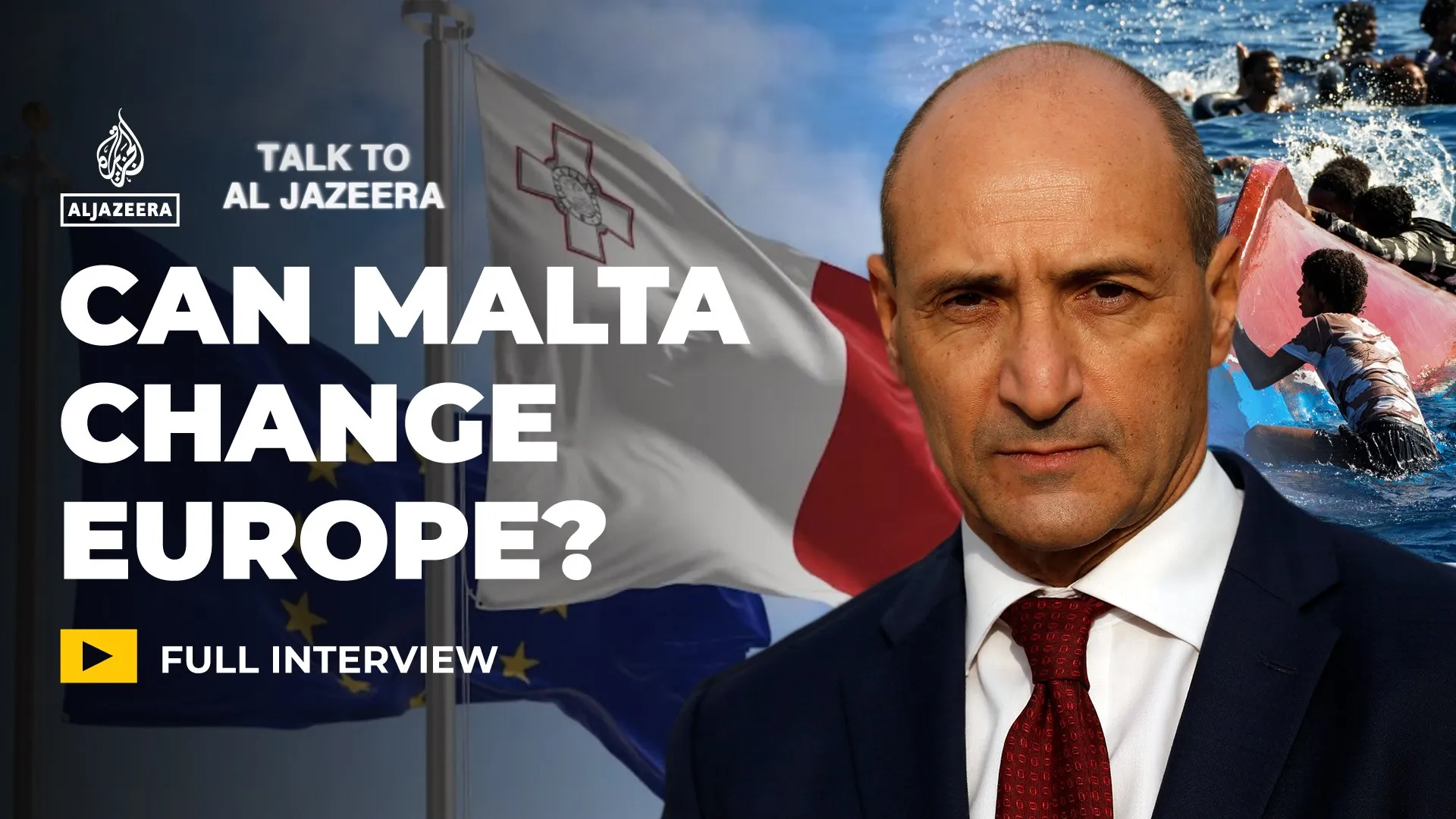
Malta’s Foreign Minister Chris Fearne has called on European nations to adopt a coordinated strategy for managing migration and regional instability, arguing that the Mediterranean Sea should be viewed as a connector between Europe and Africa rather than a defensive border.
Speaking to Al Jazeera Global News, Fearne rejected the framing of the Mediterranean as a barrier separating a more affluent Europe from a less affluent Africa. Instead, he advocated for a policy approach that recognises the region as a bridge, suggesting that Europe must look beyond its immediate borders to effectively address migration challenges.
The foreign minister’s comments were part of a broader assessment of global security, where he expressed support for a two-state solution to the conflict in Israel and Palestine. He also emphasised the need for continued European aid to Ukraine and called for diplomatic efforts to bring Libya’s rival factions together for elections and reunification.
Fearne issued a stark warning regarding the current state of global governance, noting that the world has become a more dangerous place. He stated that the international rule of law is increasingly unreliable, a subjective assessment that highlights growing concerns over the consistency of legal frameworks in international relations.
The statement contrasts with perspectives that prioritise strict border control, positioning Malta’s approach within a framework of regional cooperation. While the specific details of the proposed coordinated European response were not elaborated upon, the call signals a shift towards viewing migration and regional crises as interconnected issues requiring unified policy solutions.
Amidst these discussions on Mediterranean stability, other global events have dominated recent diplomatic headlines, including requests from Colombia for tariff suspensions following a devastating earthquake. However, Fearne’s address remains focused on the structural challenges facing Europe’s southern neighbourhood and the necessity of moving past traditional border-centric policies.
The foreign minister’s remarks underscore the complexity of managing cross-regional flows and conflicts, suggesting that a purely defensive posture may be inadequate for the current geopolitical landscape. By framing the Mediterranean as a bridge, Malta is advocating for a more integrated approach to security and migration policy.