Malta voters head to polls as Labour Party eyes record fourth term
Economic stability and energy subsidies dominate the campaign as the ruling Labour Party faces off against Nationalist Party’s Alex Borg in a tightly watched Mediterranean election.
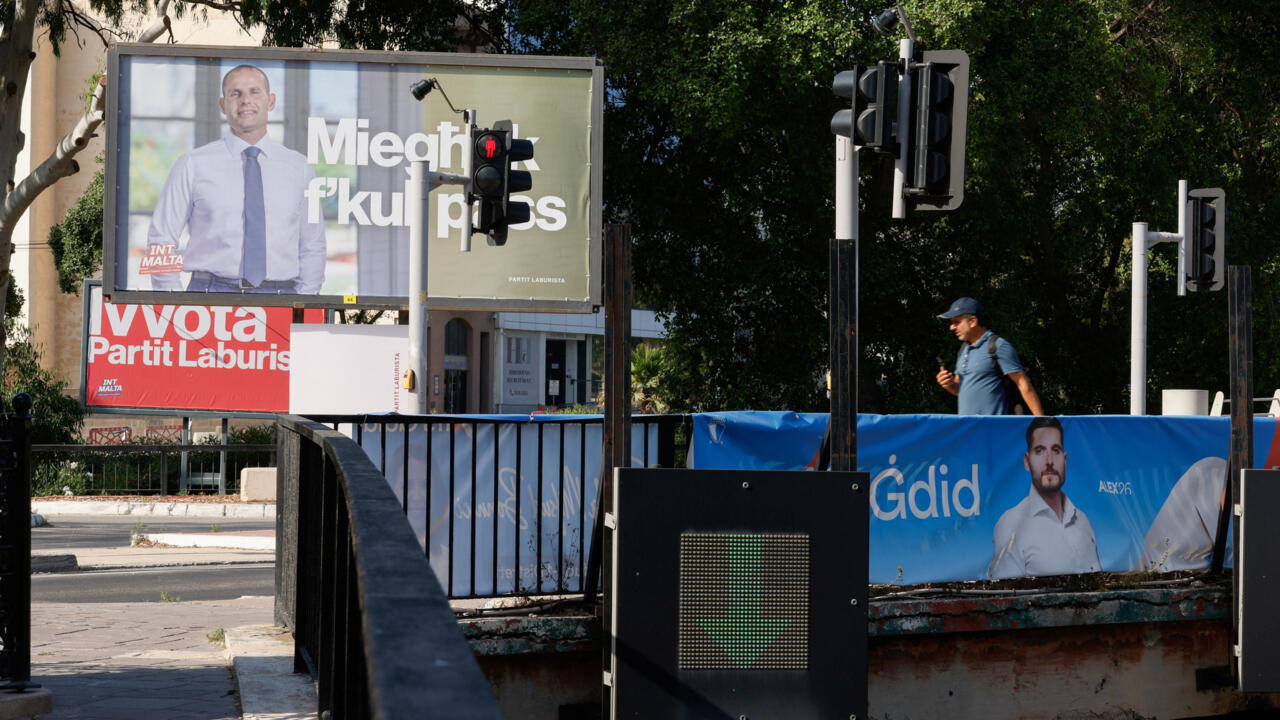
Parliamentary elections commenced in Malta on Saturday, with opinion polls indicating a likely victory for Prime Minister Robert Abela’s Labour government. The ruling party is projected to secure a record-setting fourth term, capitalising on its economic record and promises to shield the import-heavy nation from geopolitical instability. Preliminary results are expected on Sunday afternoon.
The latest poll conducted by the Malta Independent places Labour at 49 per cent, significantly ahead of the Nationalist Party (PN), which sits at 38 per cent. Abela, 48, has campaigned on the party’s management of the economy, highlighting low unemployment and robust growth driven by tourism, online gaming, and financial services. In contrast, his main rival, PN candidate Alex Borg, a 30-year-old lawyer and former "Mr World Malta" winner, has characterised the current administration as leading a country "in chaos," citing issues with the health service and infrastructure failures.
Voters have expressed a pragmatic approach to the election, with economic stability often outweighing other concerns. Shopkeeper Melanie Cremona described Borg as energetic and fresh, yet many residents, such as taxi driver Mariella Jeremic, indicated they would vote for Labour "not with our hearts, but for the economy." The government has earmarked an additional 250 million euros ($290 million) in subsidies to cushion households against energy price fluctuations stemming from the Middle East conflict, building on 150 million euros already budgeted for 2026.
Despite the economic optimism, the election follows persistent public concerns regarding over-construction, traffic bottlenecks, and strain on public services. Malta’s population has grown by nearly 30 per cent over the past decade, largely due to migration, which has accelerated a construction boom and drawn criticism from heritage groups over environmental degradation. A 2025 Council of Europe report noted that Malta remains significantly behind in the fight against corruption, although many locals remain reluctant to discuss the issue publicly.
Political analyst Andrew Azzopardi from the University of Malta suggested that Abela may have called a snap vote to hold the election before the upcoming trial of businessman Yorgen Fenech. Fenech is charged with orchestrating the 2017 murder of investigative journalist Daphne Caruana Galizia, a case that previously led to the resignation of Abela’s predecessor, Joseph Muscat. Azzopardi noted that while corruption scandals persist, many voters prioritise tangible economic benefits, such as pension increases, over governance concerns.