Mali's peace efforts stall as military focus overlooks governance failures
Experts argue sustainable stability requires addressing socio-economic marginalisation and shifting geopolitical realities rather than escalating military engagement
Dr Folahanmi Aina, a political scientist at SOAS London, has issued a stark assessment regarding Mali's ongoing struggle to restore security. The analysis suggests that the current approach under Colonel Assimi Goïta is hindered by an excessive dependence on military solutions to address a conflict that is fundamentally multidimensional. By prioritising force as the primary instrument of state response, the strategy has failed to adequately tackle the structural drivers of instability that fuel the crisis.
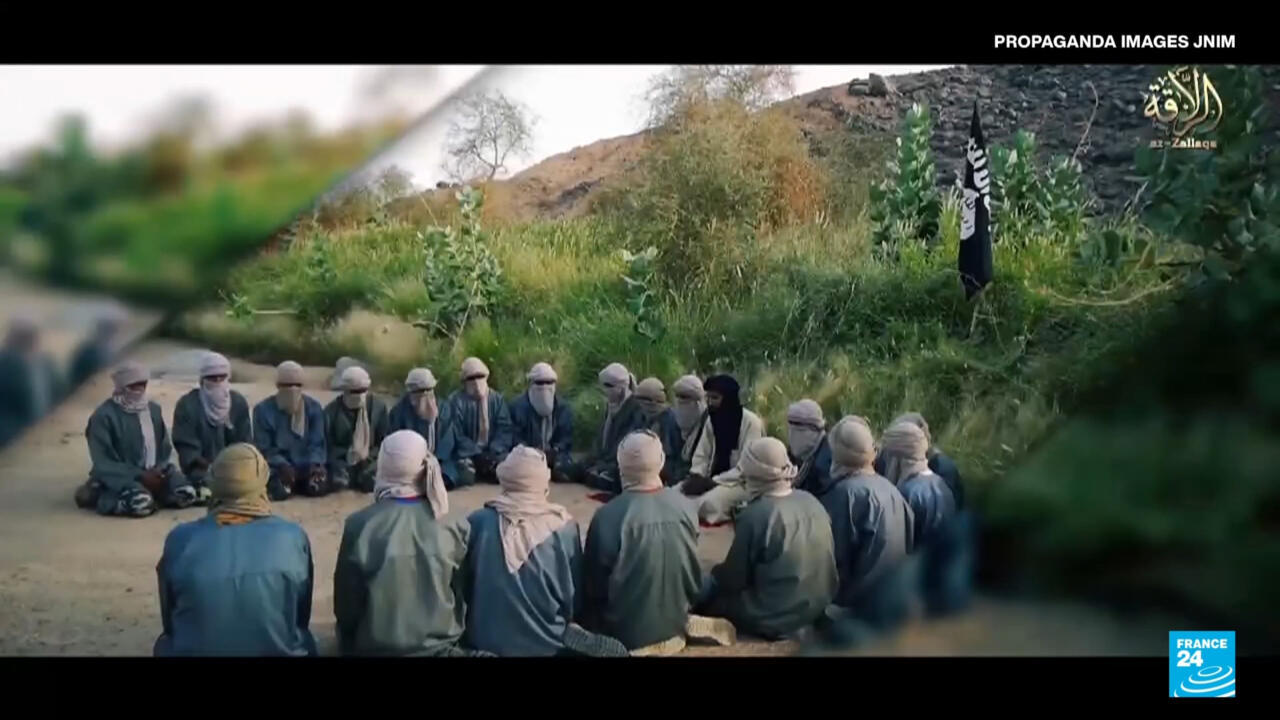
According to the expert, the persistence of violence is directly linked to a lack of attention paid to critical governance deficits, socio-economic marginalisation, and deep-seated local grievances. These unaddressed root causes have created an environment where armed groups linked to transnational jihadist networks are able to expand their operations across the wider Sahel region. The argument posits that without resolving these underlying issues, military escalation alone cannot achieve a lasting resolution to the security situation.
The report further highlights that external security guarantees are becoming increasingly unreliable due to shifting geopolitical alignments. Specifically, the recalibrating role of Russia within the region is noted as a factor that limits the effectiveness of outside support for Mali's security apparatus. This changing landscape complicates the government's ability to contain threats that have already adapted and entrenched themselves in various parts of the country.
On the ground, the situation remains volatile with unidentified armed groups, described by the Malian army as terrorist organisations, continuing to launch attacks against military positions. Recent fighting has targeted key locations including Bamako, Kati, Gao, and Sevare. Combat was reported as ongoing at the time of the latest reports, with sustained heavy weapons and automatic rifle fire heard in the capital near Modibo Keïta International Airport.
In light of these developments, the assessment concludes that sustainable peace in Mali cannot emerge from a strategy of military escalation. Instead, a calibrated approach is required that integrates security responses with political dialogue and regional cooperation. The analysis emphasises the necessity of long-term investment in addressing the root causes of conflict to prevent further entrenchment of armed groups and to secure the nation's future stability.