Mali's Geopolitical Experiment Unravels as Insurgents Unite Against Junta
Following the fall of Kidal, historically adversarial jihadist groups and Tuareg rebels have formed a coordinated front, leaving regional bodies like ECOWAS powerless to intervene.
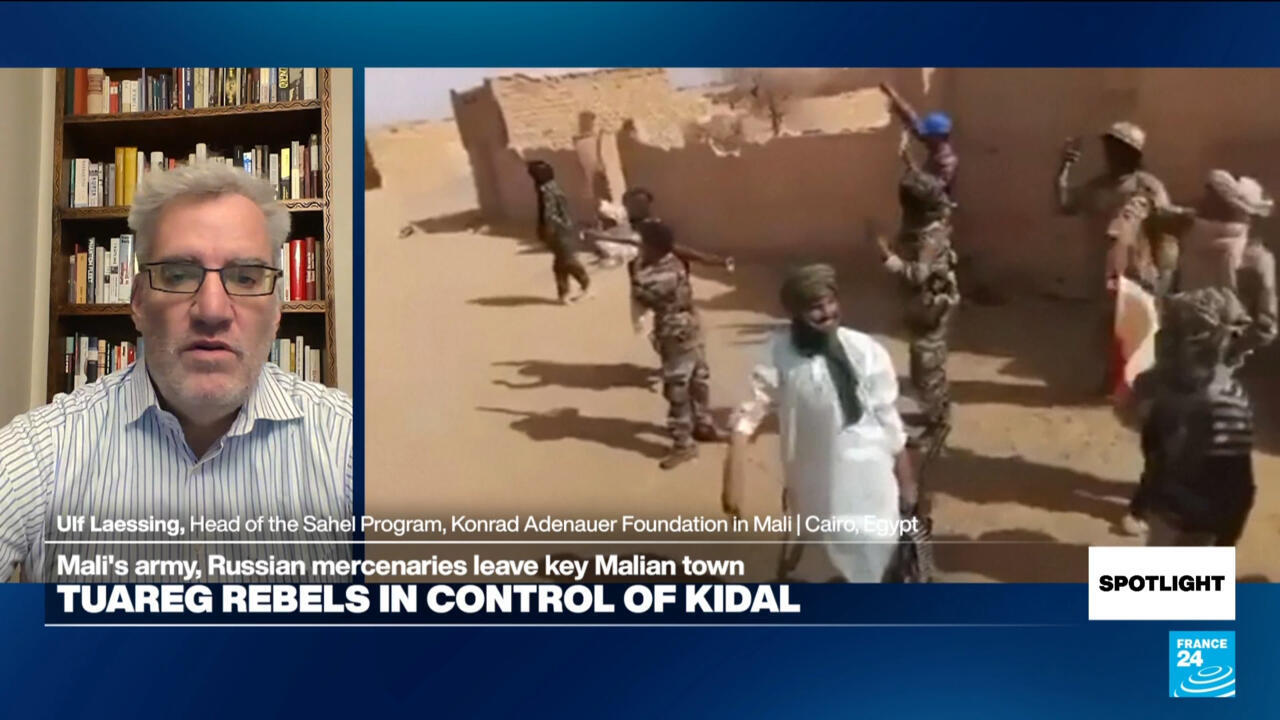
Ulf Laessing, Director of the Regional Sahel Programme at the Konrad Adenauer Foundation, describes Mali as experiencing a complete unraveling of a geopolitical experiment initiated by Russia. The analyst asserts that Moscow's intervention, which stepped into a vacuum previously occupied by France, has accelerated the collapse of its influence in the region.
According to Laessing, this collapse stems from a reliance on mercenary brutality and a fundamental lack of understanding regarding local dynamics. These factors have undermined an already fraught collaboration, leading to a dramatic shift in the balance of power across the Sahel.
The tactical realignment has been cemented by recent military developments, specifically the fall of Kidal and a series of coordinated surprise offensives. These actions have prompted historically adversarial jihadist groups and Tuareg rebels to form a unified front against the current military junta.
Despite widespread popular dissatisfaction with the regime, the junta remains in power due to a precarious equilibrium. Laessing notes that the population's fear of Islamist governance currently outweighs their discontent, sustaining the status quo in a tense standoff.
Regional institutions such as ECOWAS are described as powerless to exert any meaningful influence in this evolving crisis. As the Sahel region plunges deeper into conflict and isolation, the analyst suggests that these bodies are constrained and unable to alter the trajectory of the deepening instability.