Malian state authority stretched thin as security forces fail to contain expanding jihadist reach
Paul Melly assesses that the Malian army and Wagner Group are unable to cope with Tuareg separatists and jihadist militants
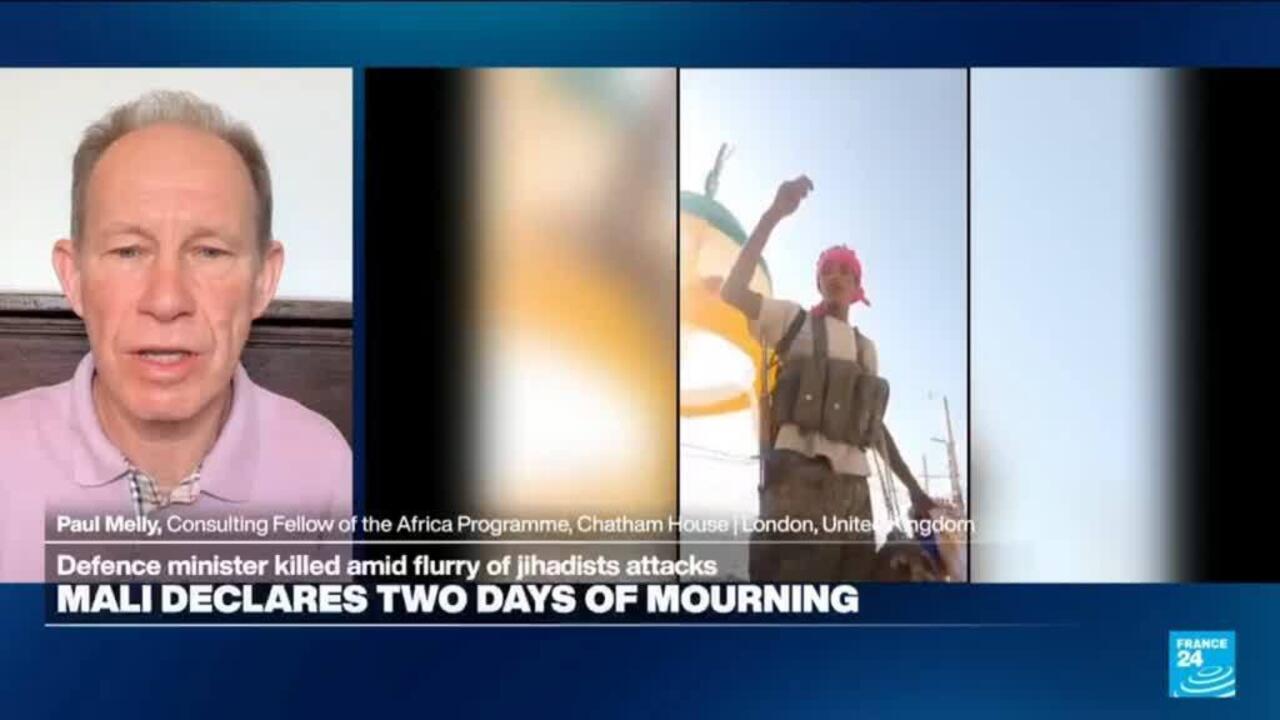
Recent assessments from Chatham House indicate that the Malian army and the Wagner Group are currently unable to cope with the combined pressure of Tuareg separatists and jihadist militants. This evaluation highlights a critical shift in the security landscape where armed groups are no longer contained on the periphery but are actively driving a dramatic expansion of operational reach into the heart of state power.
The convergence of political, territorial, and military fractures has created a situation where the Malian state, while not facing outright collapse, sees its authority stretched dangerously thin. This fragility is particularly evident in the capital, Bamako, and extends to interior towns including Kati, Gao, and Sevare, where military positions have recently come under direct attack.
According to the analysis, the specific assessment that both the Malian army and the Wagner Group are simultaneously overstretched underscores the severity of the threat. The Malian army has historically referred to these perpetrators as unidentified armed terrorist groups, though recent reporting clarifies the involvement of Tuareg separatists and jihadist militants in these coordinated assaults.
The deterioration of the security situation is directly linked to the withdrawal of international actors and limitations placed on current partnerships. These factors have exposed deep structural vulnerabilities within the security apparatus of Africa's eighth-largest country, leaving the nation ill-equipped to manage the multifaceted nature of the conflict.
General Assimi Goita remains a key figure associated with the Malian army and the current security environment as combat continues at targeted locations. The ongoing fighting, including incidents near Modibo Keïta International Airport, demonstrates that the conflict is not a singular front but a complex web of insurgent activity challenging state sovereignty.
Ultimately, the situation represents a significant policy challenge where the withdrawal of external support has failed to prevent the erosion of central authority. As the operational reach of jihadist groups expands, the structural weaknesses in Mali's governance and military capacity are becoming increasingly apparent to international observers.