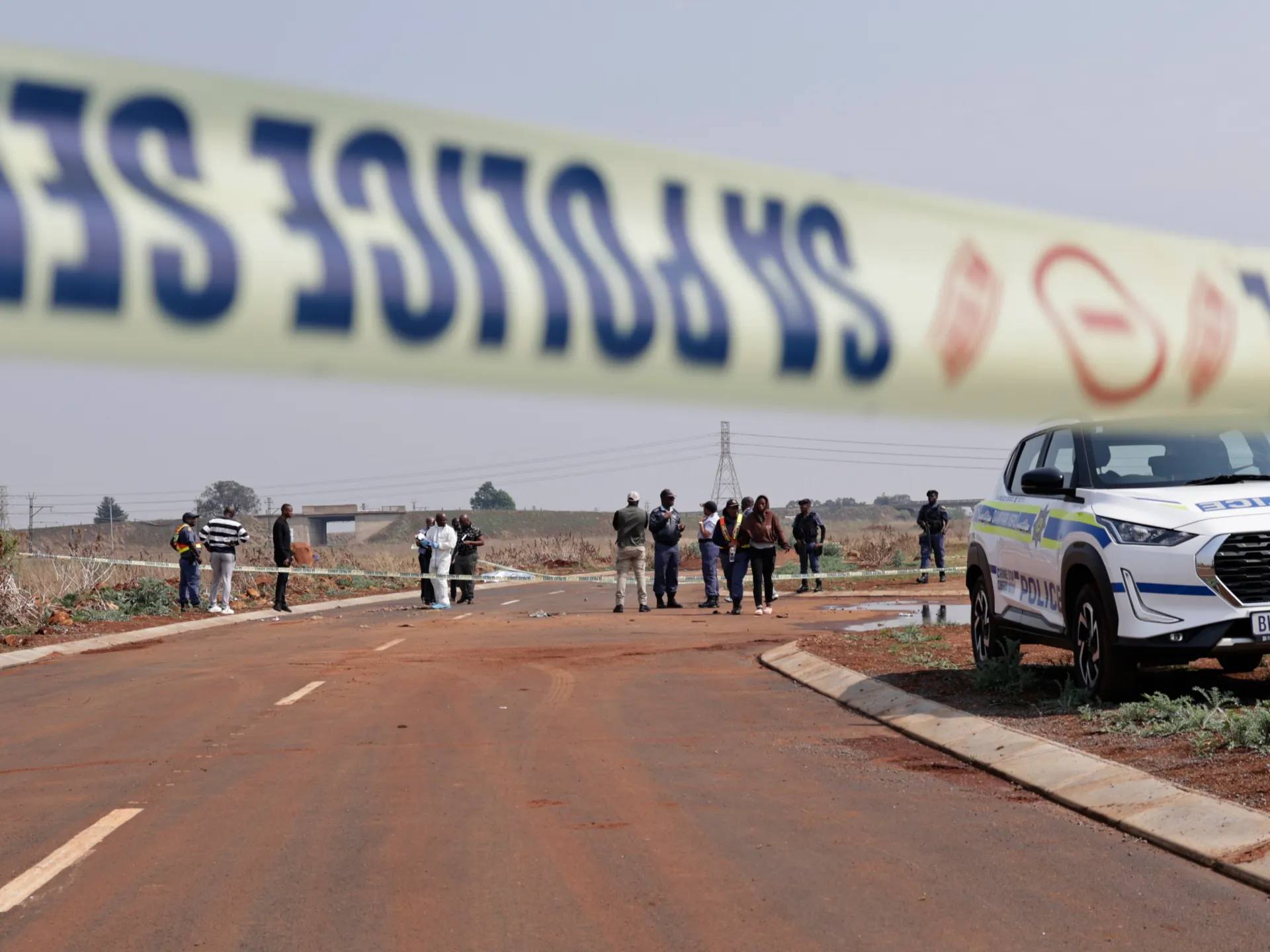
Malian Army Suffers Deadliest Attack in Years Near Anefis
Provisional figures from local sources indicate a severe military setback for the ruling junta in northern Mali, with the incident described as the deadliest suffered by the armed forces in recent years.
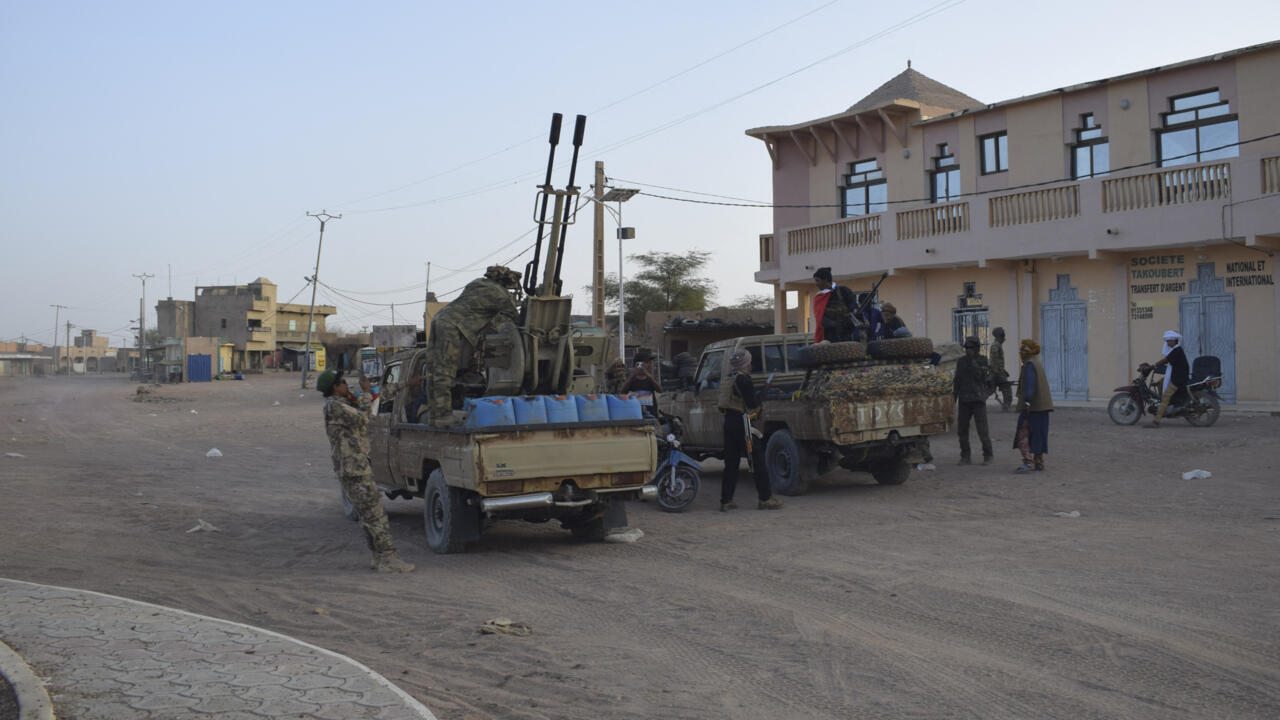
At least 50 Malian soldiers were killed and a further 24 taken prisoner during an attack by Tuareg separatists and jihadist fighters near the strategic northern town of Anefis, according to local and military sources contacted by AFP on Sunday. The incident has been characterised as the deadliest assault suffered by the Malian army in years, marking a significant escalation in the ongoing conflict in the region.
The attack occurred as soldiers were leaving the area around Anefis, a key location in northern Mali. Local elected officials close to the ruling junta provided provisional casualty figures to AFP, describing the toll as "extremely heavy." The official confirmed that more than 50 soldiers had been killed and at least 24 were held captive, though these numbers remain subject to verification as the situation develops.
The assault involved a coalition of Tuareg separatist groups and jihadist factions, highlighting the complex security landscape facing the Malian military. The involvement of both separatist and jihadist elements suggests a coordinated effort to exploit vulnerabilities in the army’s movements in the north.
This event underscores the persistent challenges faced by the junta in maintaining control over northern territories. The high casualty rate and the capture of personnel represent a substantial operational loss for the armed forces, potentially impacting their capacity to respond to further insurgent activities in the region.
While the exact composition of the attacking force and the final number of casualties may change as more information becomes available, the current figures point to a severe blow to military morale and capability. The operational status of the captured soldiers remains unknown, adding to the uncertainty surrounding the incident.
The incident has drawn attention to the broader security implications for Mali, where tensions between the military government and rebel groups continue to simmer. The death toll and the number of prisoners taken are likely to influence political and military strategies in the coming days.
As authorities work to confirm the details of the attack, the focus remains on the immediate humanitarian and security consequences. The provisional nature of the data means that the full extent of the loss is yet to be determined, but the scale of the incident is already being recognised as a critical moment in the country’s ongoing conflict.