Mali junta faces security collapse as defence minister killed in coordinated assaults
The death of the defence minister and the reported loss of a key northern town mark a severe deterioration in the security situation under military rule
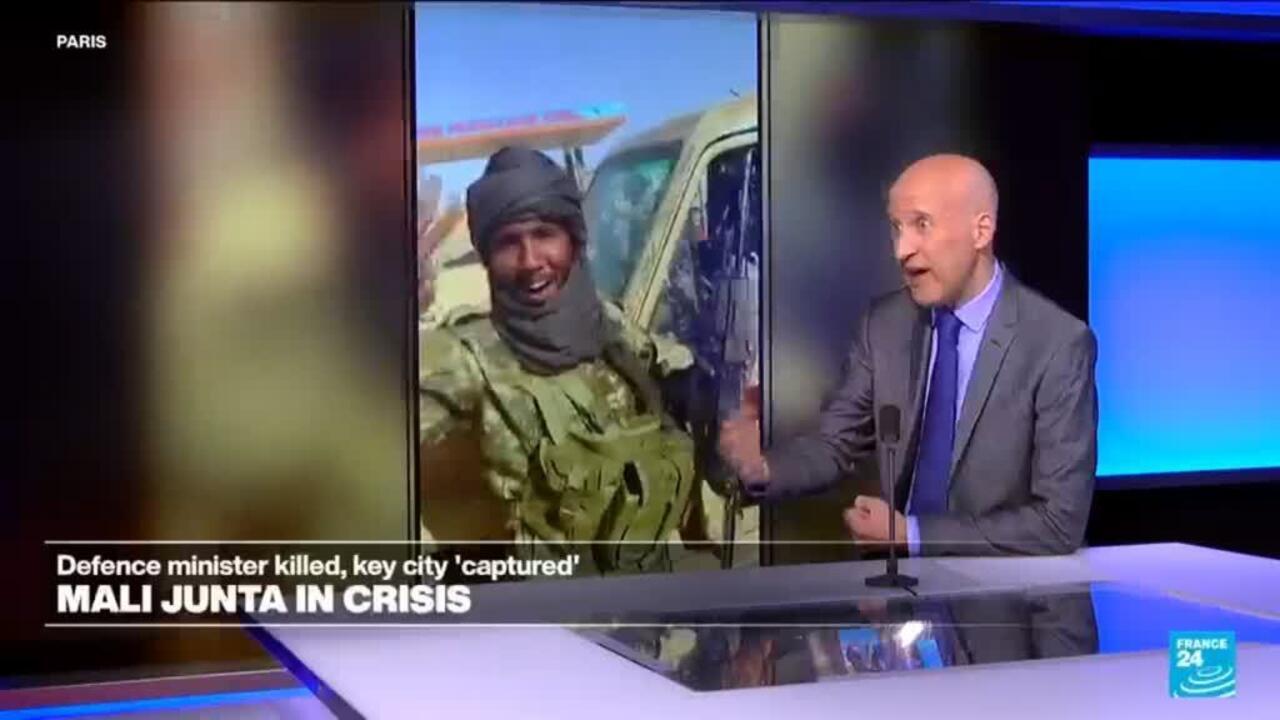
Mali's military junta is confronting a severe security crisis following coordinated nationwide attacks launched by jihadist fighters and separatist rebels over the weekend. The violence, which began on Saturday and intensified into Sunday, has resulted in the confirmed death of the country's defence minister. This escalation represents a significant blow to the government's ability to maintain control as armed groups target critical military positions.
The assaults were not isolated incidents but part of a broader offensive that saw unidentified armed groups striking military installations in the capital, Bamako, as well as several towns in the country's interior. Reports indicate that sustained heavy weapons fire was heard near Modibo Keïta International Airport, where an air base used by the air force is located. The intensity of the gunfire suggests a concerted effort to overwhelm local defence capabilities.
By Sunday, the situation had deteriorated further with the killing of the defence minister during these coordinated assaults. The loss of such a high-ranking official underscores the fragility of the current administration, which has been in power following previous coups. The death of the minister leaves a critical leadership vacuum at a time when the junta is already struggling to contain the spread of violence across the region.
In addition to the high-profile casualty, reports emerging from the frontlines indicate that a key northern town has fallen into rebel hands. While the specific identity of the town is not explicitly named in available accounts, the capture of such a strategic location highlights the expanding reach of the insurgents. France 24's coverage notes that the extent of the territory lost remains unconfirmed and requires further verification from on-the-ground sources.
The conflict involves a complex mix of actors, with the attacks conducted by a coalition of jihadist fighters and separatist rebels. This distinction is crucial for understanding the geopolitical implications, as separatist groups often have different objectives than the transnational jihadist factions. However, their operational coordination in this instance suggests a unified front against the military government, complicating any potential diplomatic or military responses.
The background of this crisis is rooted in a long history of conflict in the region involving various armed groups. Previous reports have documented sustained attacks on military positions in Bamako and interior towns, creating a volatile environment that the junta has struggled to stabilise. The current wave of violence appears to be a significant escalation of these ongoing tensions, testing the resilience of the military regime.
As the crisis unfolds, the uncertainty surrounding the status of the captured northern town remains a pressing concern. It is unclear whether government forces will be able to recapture the position or if the rebel hold is permanent. The combination of a dead defence minister and lost territory signals a profound security emergency that demands immediate attention from both national and international stakeholders.