Mali junta faces political impasse as military option deemed exhausted in deepening crisis
A new alliance between jihadist groups and Tuareg separatists, combined with diplomatic isolation from ECOWAS and France, has forced a re-evaluation of the conflict resolution strategy
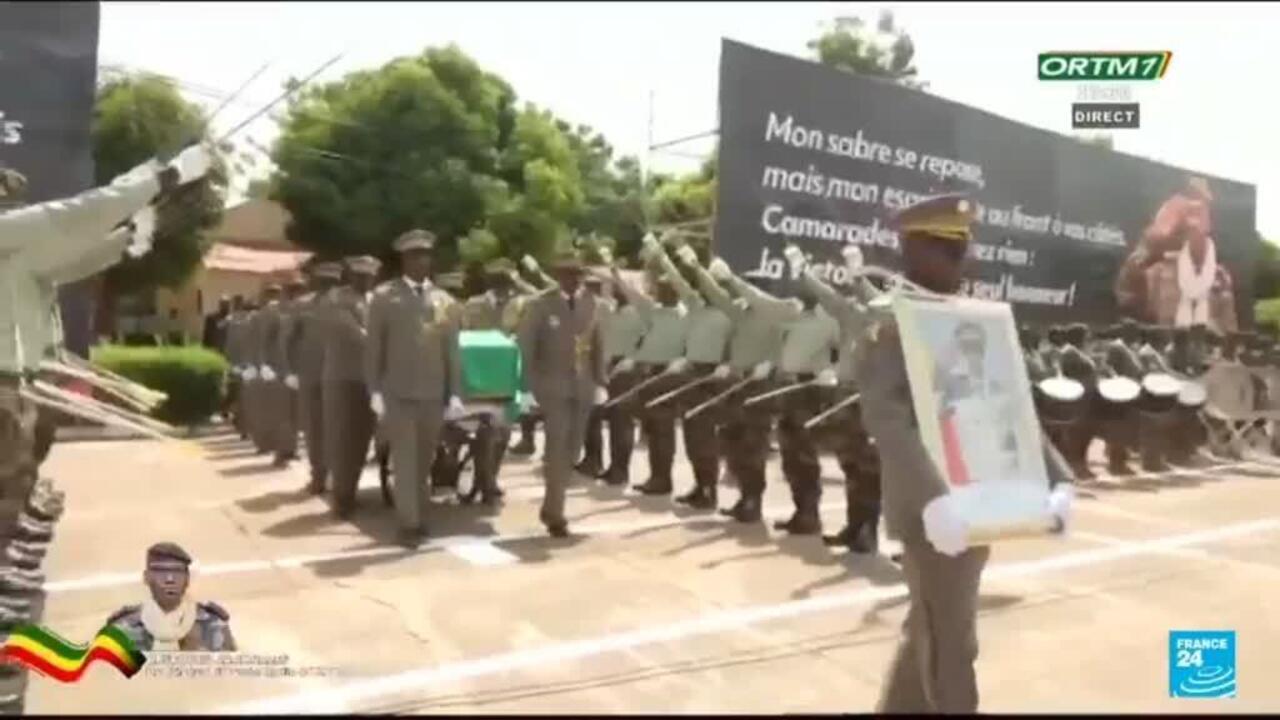
Thousands gathered in Mali to pay tribute to Defence Minister General Sadio CamaraIn, whose death marks a somber moment for the military junta amidst a shocking wave of violence. However, the mourning serves as a backdrop to a sobering assessment from Chatham House expert Paul Melly, who argues that the traditional reliance on military force is no longer capable of resolving the deepening crisis. The situation has evolved beyond the historical parallels of 2012 into a far more complex environment where external stabilisation efforts are significantly less viable.
The core of the problem lies in a shifting battlefield dynamic characterised by a new convergence of forces. Jihadist groups have formed an alliance with Tuareg separatists who seek to carve out an independent homeland in the north, blurring ideological lines and complicating any straightforward military response. This strategic shift creates competing objectives that undermine the logic of force, suggesting that the current security architecture cannot be dismantled through kinetic action alone.
This military stalemate is compounded by a decisive shift in the regional and international context. Mali has effectively isolated itself from its primary diplomatic and security partners, having broken away from ECOWAS and distanced itself from France. Furthermore, the nation has grown disillusioned with Russian mercenary support, leaving a diplomatic vacuum that previously allowed for unified backing. Without these external frameworks, the junta finds itself operating in a fragile environment with limited options for stabilisation.
In this vacuum, experts suggest that the only viable path forward is a political solution rather than continued military engagement. The logic of force is giving way to the necessity of negotiation, even if the resulting political settlement remains fragile. This approach requires the junta to consider engaging with exiled opponents who hold significant sway over the population and the broader political landscape.
Specifically, analysis points to Imam Mahmoud Dicko as a potential partner for such negotiations. Currently in exile in Algeria, Dicko maintains a large popular following and has formed an alliance with civilian political opponents both within Mali and in the diaspora. While the specific timeline for such talks remains uncertain, the pressure on the junta to embrace this political avenue appears to be mounting as the military option exhausts itself.
Ultimately, the death of General CamaraIn highlights a critical juncture where the state must pivot from a strategy of suppression to one of engagement. The convergence of a fractured insurgency and a hollowed-out diplomatic sphere suggests that without a political resolution, the current trajectory of violence will only deepen the instability in the Sahel region.