Mali insurgency evolves into structural reconfiguration of Sahelian authority
Tuareg rebels pursue autonomy while JNIM targets a caliphate; coordinated strikes on Bamako and other key sites signal expanded operational capacity without a clear intent for direct governance
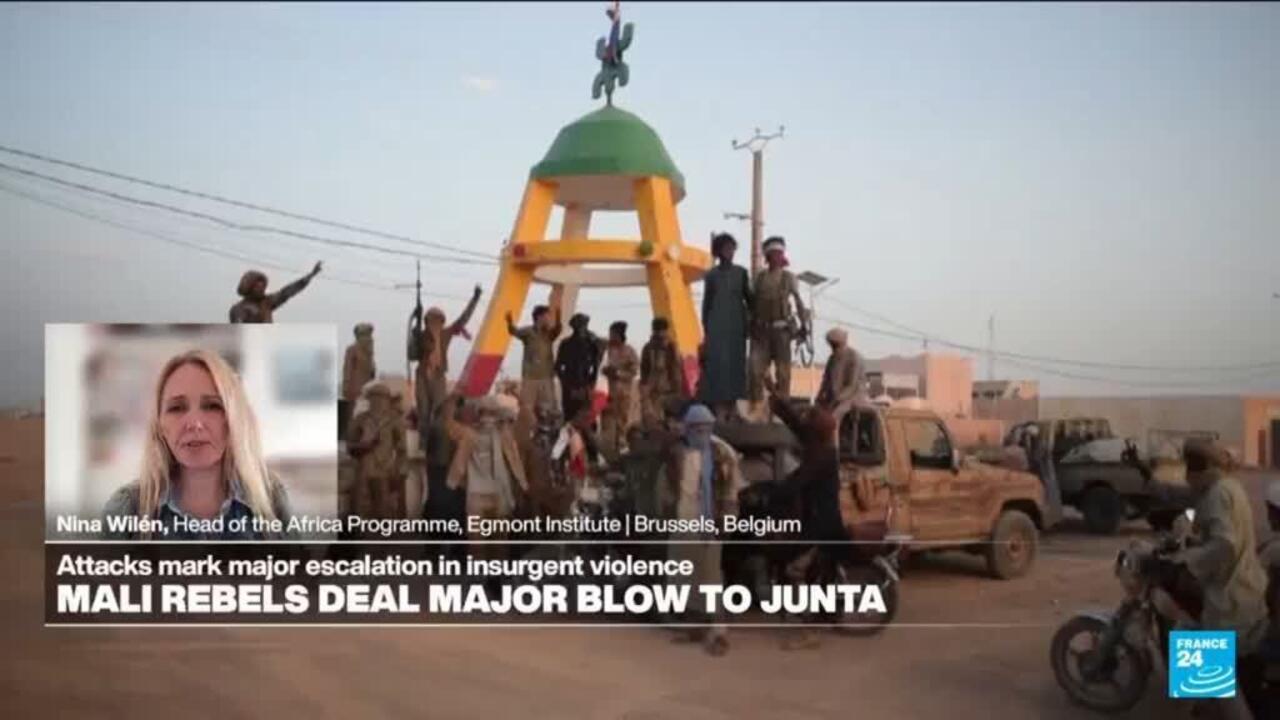
The insurgency gripping Mali is undergoing a fundamental transformation, shifting from a mere surge in violence to a complex restructuring of authority across the Sahel. According to Nina Wilen, Director of the Africa Programme at the Egmont Institute, this evolution represents a significant reconfiguration of power balances where non-state actors are increasingly challenging state sovereignty. The situation is no longer defined solely by the intensity of combat but by the strategic objectives of the groups involved.
Two distinct factions are driving this shift in the region's political landscape. Tuareg rebels are focused on securing regional autonomy, while jihadist groups, specifically JNIM, aim to establish an Islamic caliphate spanning the Sahel. These divergent goals have enabled the insurgents to expand their operational capabilities significantly. They have demonstrated the capacity to execute coordinated attacks against the heart of the state, striking at key locations including Bamako, Kati, Gao, and Sevare.
Recent assaults on military positions near Modibo Keïta International Airport and elsewhere indicate that these groups possess the logistical reach to target central infrastructure. The Malian army has described the perpetrators as unidentified armed terrorist groups, noting that combat remains ongoing at various fronts. This expansion of operational capacity allows the insurgents to strike at the state's core while state and international actors appear to be losing ground in their efforts to maintain control.
Despite their growing ability to conduct large-scale operations, the insurgents do not appear to seek direct administrative governance over the territory they control. While they hold the capacity to govern, there is no definitive evidence yet that they intend to administer the state directly. This distinction is crucial for understanding the nature of the conflict, as the groups seem to be pursuing specific ideological or territorial aims rather than establishing a unified administrative apparatus.
The strategic intent of these factions remains partially unclear, particularly regarding the precise coordination mechanisms between the Tuareg rebels and the jihadist groups during recent attacks. Experts caution that while the long-term trajectory of the conflict is shifting, the transition from asymmetric warfare to direct governance remains speculative. The current dynamic suggests a complex interplay where different groups pursue separate visions for the future of the Sahel.
Ultimately, the insurgency in Mali reflects a profound change in the region's security architecture. The ability of these groups to coordinate attacks on key state locations demonstrates a new level of threat that goes beyond traditional insurgent tactics. As the power balance continues to shift, the focus remains on how these distinct factions will navigate their conflicting objectives in a volatile environment.