Mali declares two days of national mourning after defence minister killed in coordinated assault
The attack marks a tactical convergence between factions with differing ideologies, shifting the focus of the conflict toward the nation's military command structure.
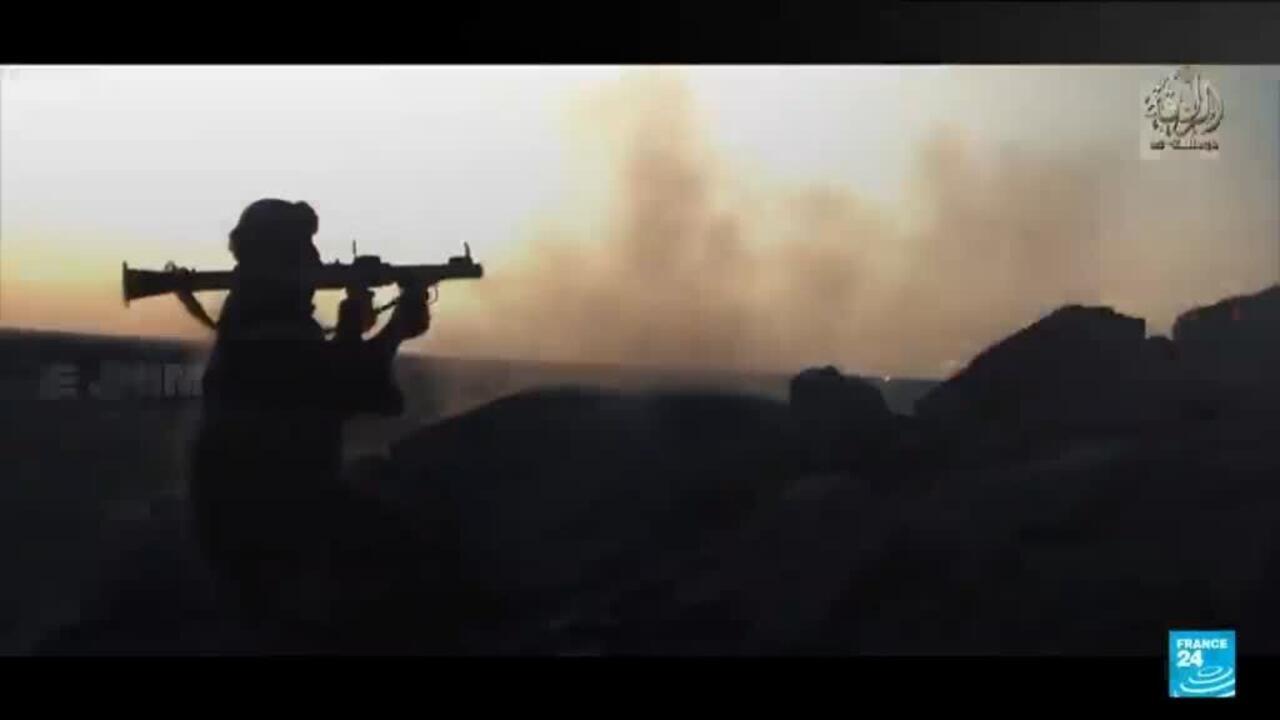
Two days of national mourning have been declared in Mali following the death of the country's defence minister in a coordinated attack. The assault was carried out by the Al-Qaeda-linked group JNIM, which has formed a tactical alliance with Tuareg rebels to target the Malian army. This development signals a significant shift in the conflict dynamics, as the two factions have joined forces despite existing ideological disagreements between them.
The primary objective of this coordinated assault is the Malian army, which currently receives support from Russian mercenaries. While previous attacks on military positions in Bamako, Kati, Gao, and Sevare were often described by the Malian army as being conducted by unidentified armed groups, this event confirms a specific and pragmatic convergence between JNIM and the Tuareg rebels. The source material indicates that the partnership appears to be a temporary alliance rather than a unified front, driven by the immediate need to challenge the state's military forces.
Historically, the Malian army has frequently characterised perpetrators of violence in the region as unidentified terrorists. However, the attribution of this specific incident to JNIM, acting in conjunction with Tuareg rebels, introduces a new layer of complexity to the security situation. The involvement of Russian mercenaries supporting the army is highlighted as a key factor in the current conflict, yet the source does not detail their direct participation in the assassination itself.
Reports indicate that combat was ongoing at the targeted military sites at the time of the latest updates, including positions near Modibo Keïta International Airport. The declaration of a national mourning period underscores the gravity of the loss within the government and the broader population. While the exact timeline and coordination mechanisms between the allied groups remain unclear, the success of the operation against the defence minister demonstrates the effectiveness of their joint strategy.
The nature of this alliance suggests a pragmatic approach to warfare where ideological differences are set aside to achieve a common military objective. By targeting the Malian army, which is bolstered by foreign mercenaries, the coalition aims to weaken the central government's hold on the country. The situation remains fluid, with the full extent of the Russian mercenaries' role in the specific attack still not detailed in available reports.