Mali court sentences French diplomat to 20 years for undermining state security
Yann V. was convicted alongside Malian officers accused of plotting a coup, prompting Paris to dismiss charges as baseless while the ruling exacerbates tensions between the former colonial power and its West African partner.
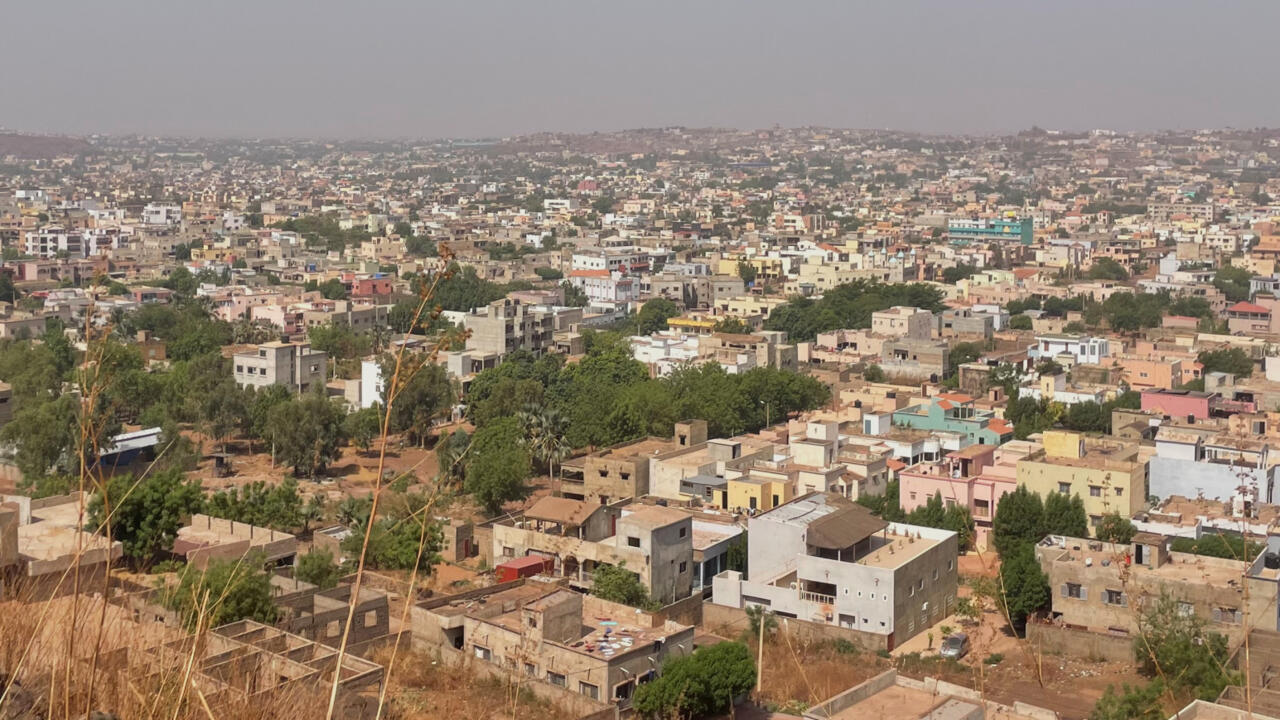
A Malian court has sentenced Yann V., a French intelligence agent holding diplomatic status, to 20 years in prison for undermining state security. The ruling, confirmed by judicial sources to AFP on Friday, 5 June 2026, represents a significant escalation in the diplomatic rift between Mali’s junta-led government and France, its former colonial ruler.
The official, who was detained in August 2025 alongside several Malian officers allegedly plotting a coup to overthrow the military leadership, was also fined €5,400 and banned from entering Mali for 20 years. The sentence was handed down by a court in the capital, Bamako, where Yann V. was employed at the French embassy.
At the time of his arrest on 13 August 2025, Malian authorities accused Yann V. of working for French intelligence services and attempting to destabilise the insurgency-plagued nation. The arrest occurred against a backdrop of heightened security concerns in Mali, which has faced violence from al-Qaeda and Islamic State-affiliated groups, as well as local criminal gangs, since 2012.
France’s foreign ministry described the charges as baseless, asserting that the official was conducting a security cooperation mission. In a statement on Friday, the ministry emphasised that France had not participated, directly or indirectly, in any destabilisation of Mali.
The verdict further strains relations between the two nations, occurring as Mali has shifted its strategic alignment away from Western allies towards closer ties with Russia under junta chief Assimi Goita. The country has been ruled by a military junta since a coup in 2021, marking a decisive break from its previous political trajectory.
The specific details of the evidence presented by the Malian court regarding the espionage charges have not been made public. Similarly, the exact nature of the security cooperation mission cited by France remains unverified by independent sources. The long-term diplomatic consequences of this sentence on France-Mali relations remain speculative at this stage.
This sentencing marks the latest development in a deteriorating relationship that has seen Mali increasingly distance itself from Paris. The incident underscores the complex security and political dynamics in the Sahel region, where external powers continue to navigate fragile governance structures and persistent insurgencies.