Malaysia’s social media age ban enters force amid privacy and enforcement concerns
As the ban for users under 16 takes effect, experts warn of circumvention risks and the potential for intrusive government ID verification to undermine digital rights.
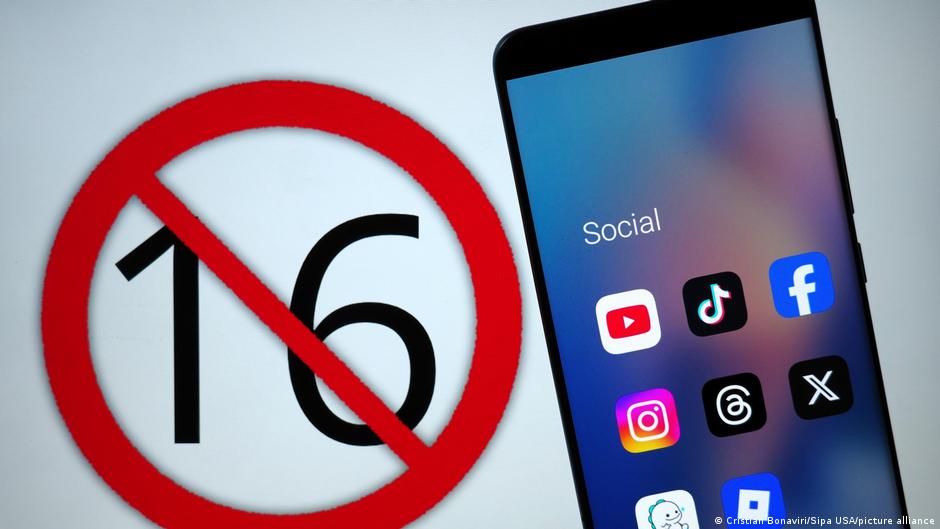
Malaysia has enforced a ban on social media accounts for individuals under 16, effective June 1, making it one of the latest nations to impose age-based limits on digital platforms. The regulation requires major services, including Facebook, Instagram, TikTok, and YouTube, to verify users’ ages and implement safeguards against harmful content, cyberbullying, grooming, scams, and addictive design features. Approximately 8 million of Malaysia’s 36 million population are under 16, a demographic the government aims to protect from online harms.
Prime Minister Anwar Ibrahim justified the measure as a necessary response to a rise in youth-related crimes, specifically citing the high-profile case of a 16-year-old girl killed by a 14-year-old schoolmate. The government maintains the policy is intended to protect children rather than cut them off from technology entirely, arguing that parents struggle to monitor content on platforms designed to maximise engagement. The rules place the enforcement burden on multinational technology firms, with non-compliant companies facing penalties of up to 10 million ringgit ($2.5 million/€2.2 million).
Age verification for existing users will be rolled out over six months, with those identified as under 16 given one month to download or transfer data before restrictions are applied. The Malaysian government has confirmed that parents will not be punished if their children bypass the law. This move follows similar regulatory shifts in Australia, which implemented age-based limits in December, and Indonesia, which enacted restrictions in March.
Critics, including UN High Commissioner for Human Rights Volker Türk, argue that blanket bans may be ineffective and could push children into less monitored, riskier online spaces. Selvakumar Manickam, director of the Cybersecurity Research Center at Universiti Sains Malaysia, noted that children have long circumvented age requirements by using false birth dates or family accounts. However, he suggested the ban could force platforms to implement stronger verification systems and shift responsibility back to technology firms, provided it is supported by digital literacy education and tighter regulation of platform design.
Concerns regarding privacy and anonymity have also emerged. Tricia Yeoh, an associate professor at the University of Nottingham Malaysia, warned that requiring government-registered identification, such as identity cards or passports, may infringe on the right to remain anonymous. This concern is heightened by Malaysia’s ranking of 95th out of 180 countries in the 2026 World Press Freedom Index by Reporters Without Borders. Digital rights groups have cautioned that mandatory ID verification could normalise intrusive online monitoring, raising questions about data retention and the broader implications for civil liberties.