Malaysia’s rare earth dilemma: Gaza ties threaten US-Australia defence deal
A $96 million agreement between the US Department of Defense and Australian miner Lynas faces intense scrutiny in Kuala Lumpur, as over 50 non-governmental organisations argue the supply of critical minerals could implicate Malaysia in alleged violations of international law in Gaza.
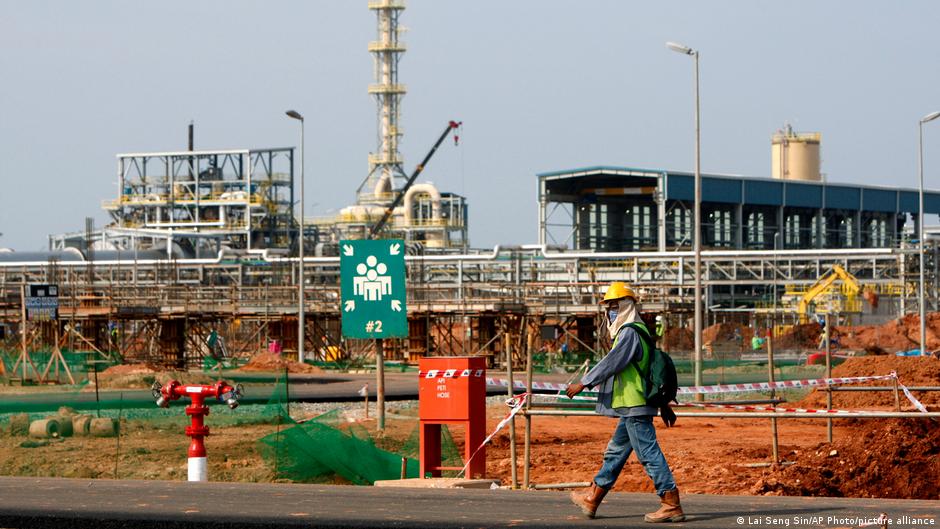
Malaysia’s government is under mounting pressure to determine its stance on a strategic four-year agreement between the US Department of Defense and Australian mining firm Lynas, which secures rare earth elements from the company’s refinery in Gebeng. Over 50 non-governmental organisations have signed an open letter to Prime Minister Anwar Ibrahim, urging the administration to either block the $96 million deal or impose strict guarantees that the materials will not be used in weapons systems deployed in Gaza.
The agreement, signed in March, is critical to Washington’s efforts to diversify its defence supply chains away from China. The Lynas facility in Gebeng is one of the few sites globally capable of processing commercial quantities of dysprosium and terbium, minerals essential for military applications such as fighter jets and missiles. Experts note that while these elements have civilian uses, the specific nature of a Department of Defense contract suggests the output is destined for defence purposes, given the Pentagon’s limited interest in commercial consumer goods.
Activists argue that proceeding with the deal risks implicating Malaysia in credible allegations of violations of international law across multiple theaters, including Gaza. They point out that the United States is one of Israel’s primary arms suppliers, and the rare earths processed in Malaysia could ultimately contribute to weaponry used in the conflict. A parliamentary committee recently held a hearing to assess whether the Lynas project jeopardises Malaysia’s reputation as a staunch supporter of Palestinian statehood.
The political calculus for Anwar’s administration is complex. The government must balance its status as a major global trading power and investment destination against rising pressure from a conservative and Islamist political base. Analysts suggest that moving against the deal could allow the Prime Minister to bolster his religious credentials and appease the Muslim majority, although blocking the agreement could also risk isolating Malaysia from key Western economic partners.
Complicating matters further are historical environmental concerns. The Gebeng site has faced scrutiny over the handling of radioactive waste, a byproduct of rare earth refining, with past Japanese-backed ventures in the 1980s leaving behind pools of waste linked to health issues in the region. Lynas has faced ongoing questions regarding its waste management practices, adding another layer of complexity to the regulatory and political decisions facing Kuala Lumpur.
With the Chinese government restricting rare earth exports for military applications, the Pentagon views secure supply from operating facilities like Lynas as a national security imperative. However, the US has little alternative in the short term, as other projects such as the Mountain Pass mine in California lack significant deposits of the specific heavy rare earths required. This strategic dependency contrasts sharply with the domestic political resistance emerging in Malaysia.
The Malaysian government has until the end of the month to declare its official position. Analysts indicate that the outcome will hinge on political will, as international law provides a framework for activists to demand that entities within Malaysian jurisdiction respect broader legal obligations. The decision will ultimately define whether Malaysia prioritises its geopolitical alliances and economic interests or its stated commitment to Palestinian rights and domestic political stability.