Makerfield voters reject offensive social media conduct and back wealth tax in new survey
Ahead of the 18 June byelection, data indicates strong public appetite for economic fairness measures and accountability standards in the Greater Manchester constituency.
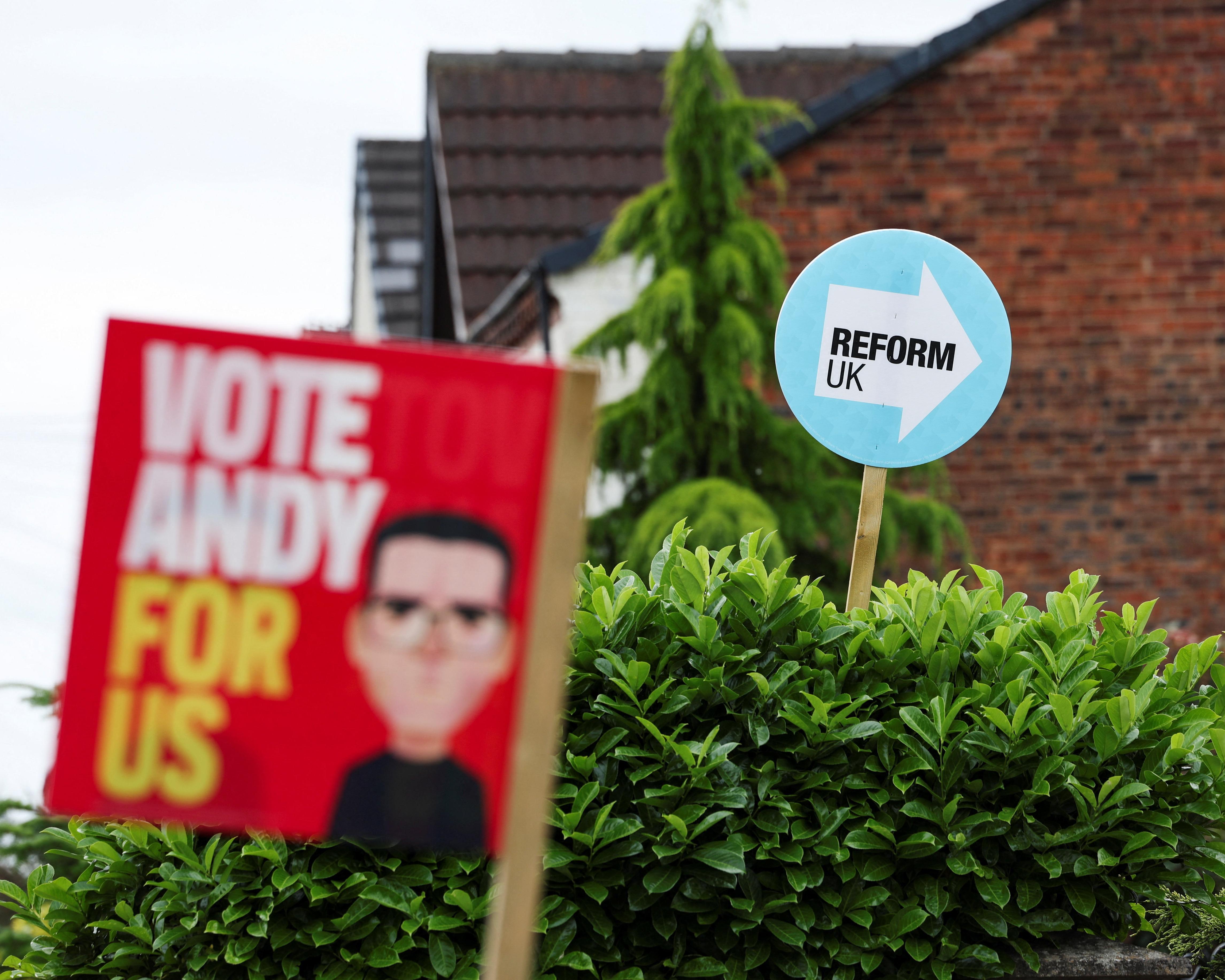
A majority of voters in the Makerfield constituency have indicated they would be less likely to support a candidate with a history of offensive social media posts, according to a new survey conducted by Survation for the campaign group 38 Degrees. The poll, which surveyed 518 residents ahead of the byelection on 18 June, found that 55% of respondents would be deterred by such conduct, while 31% stated it would not influence their vote and 14% were unsure.
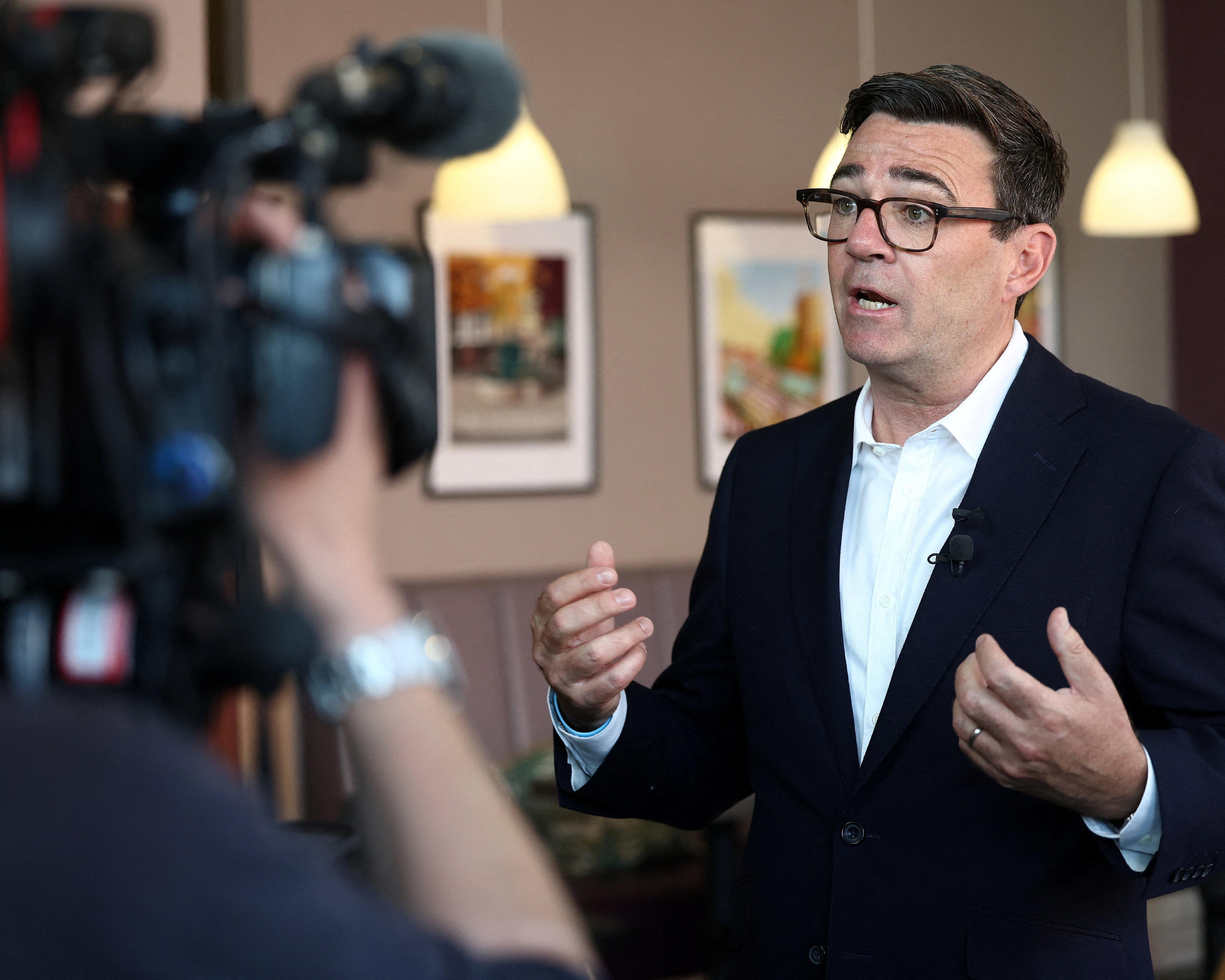
The findings come as Reform UK candidate Robert Kenyon faces scrutiny over his past online activity. Broadcaster Caroline Vorderman has called for an apology regarding comments she described as disgusting, while other reported posts have included self-identified sexism and homophobic language. Kenyon is contesting the seat against Labour’s Andy Burnham, who is seeking to retain the position previously held by MP Josh Simons.
Beyond electoral conduct, the survey highlighted significant support for structural economic reforms. Nearly three-quarters of respondents (73%) favoured returning water companies to public ownership, with only 13% supporting private retention. Additionally, 54% backed the introduction of a wealth tax on assets exceeding £10m to fund public services such as the NHS and schools, while 51% supported caps on political donations.
Damian Lyons Lowe, chief executive of Survation, noted that these views on economic fairness and accountability cut across traditional party lines. He described the breadth of support for renationalisation, wealth taxation, and donation limits as evidence that these are mainstream concerns rather than fringe positions within the constituency.
Voters also expressed strong backing for specific measures within the Labour government’s recently passed Employment Rights Act. Support was highest for linking the minimum wage to the cost of living, with 72% wanting to retain the provision. Two-thirds supported paid bereavement leave for pregnancy loss, and 57% favoured immediate sick pay, although opinion was more divided on banning fire-and-rehire practices.