Mainstream media scrutiny follows disinformation surge over White House Correspondents' Dinner shooting
Analysis from *Wired* suggests a critical examination is needed to determine whether journalistic coverage combated or inadvertently fuelled false narratives about the staged nature of the incident
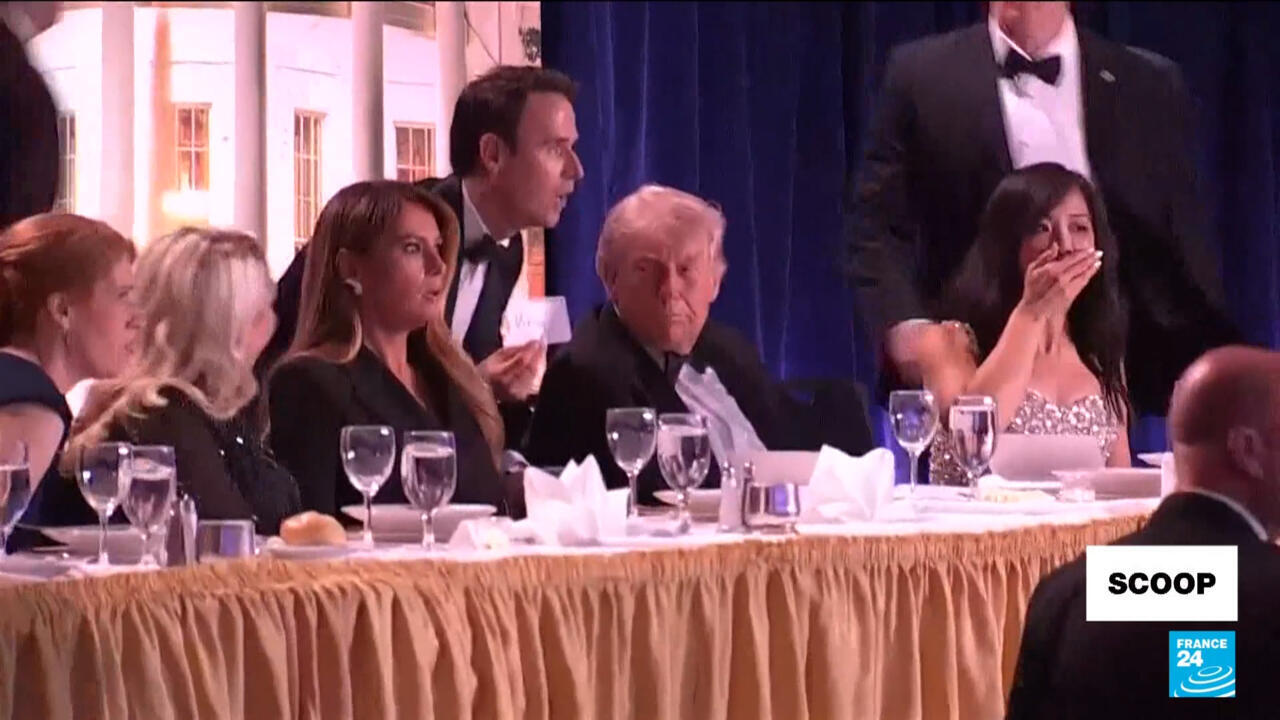
A would-be assassin attempted to storm last weekend's White House Correspondents' Dinner, resulting in a shooting incident that immediately triggered a flood of conspiracy theories on social media. In the wake of the attack, online platforms were inundated with claims that the event was staged, casting doubt on the authenticity of the assault.
This week, FRANCE 24's *Scoop* programme has turned its attention to the role of mainstream media in this unfolding narrative. The broadcast specifically examined whether major news organisations amplified or combated the disinformation narratives that rapidly spread following the attack.
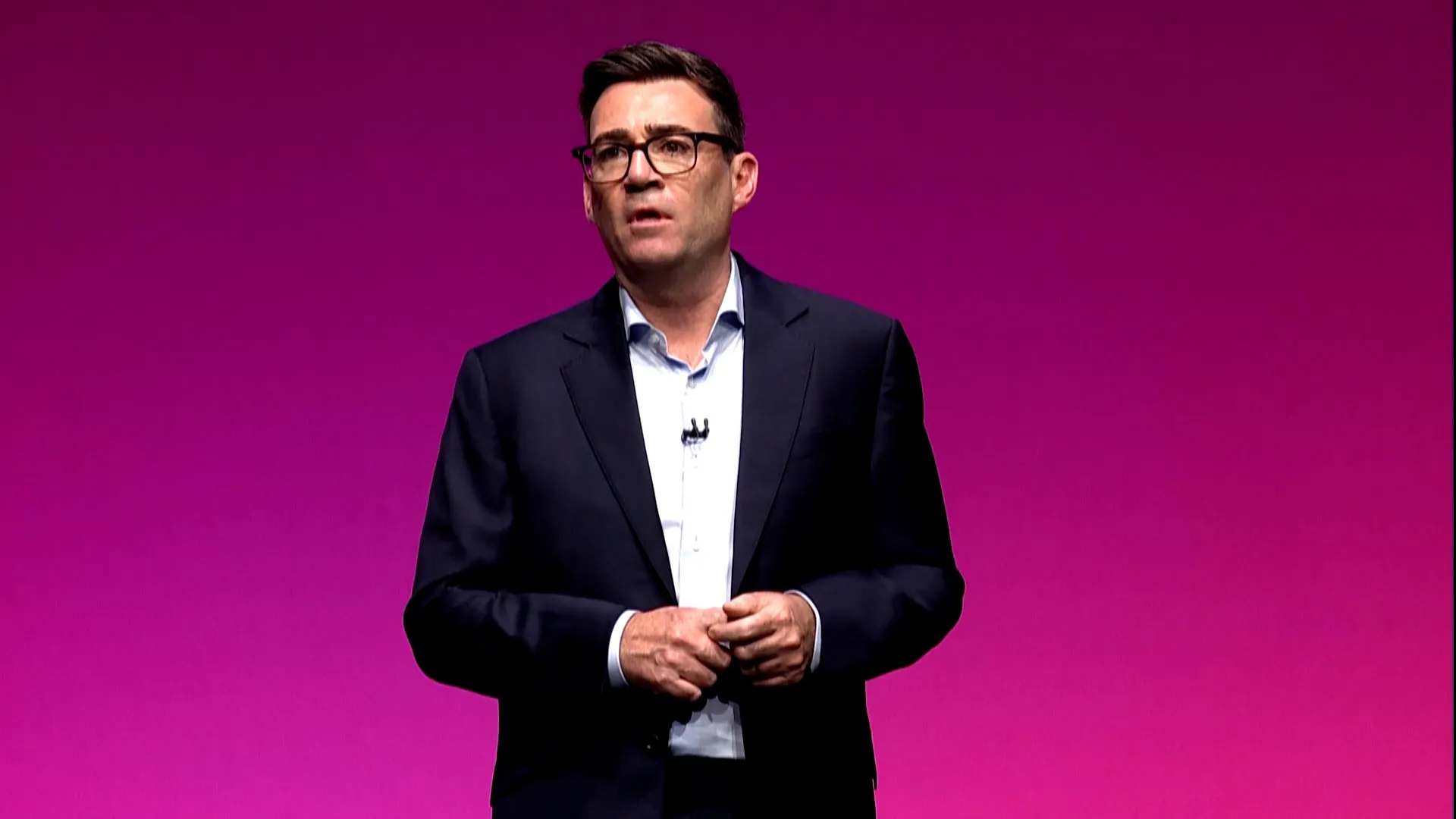
The investigation featured analysis from David Gilbert, a reporter at *Wired* who specialises in covering disinformation and online extremism. Gilbert provided expert commentary on the mechanics of how such false stories gain traction and the responsibility of established journalism in countering them.
While the US Administration and Acting Attorney General Todd Blanche have characterised the incident as a suspected assassination attempt, the digital landscape presented a conflicting reality. The speed at which the "staged" theory circulated highlights the challenges faced by traditional outlets in maintaining factual integrity during moments of high political instability.
The *Scoop* episode sought to determine the extent to which mainstream coverage actively refuted these allegations or if the sheer volume of reporting inadvertently lent credibility to the conspiracy theories. The programme did not reach a final conclusion on the specific actions of every outlet but rather framed the inquiry around the broader impact of media coverage on public perception.
The findings from the *Scoop* programme underscore the complex relationship between official government characterisations of security threats and the unregulated spread of misinformation on social networks. As the investigation into the gunman's intent continues, the focus remains on how the narrative is constructed and consumed by the public.