Madison Square Garden Suspends Biometric Surveillance for Swift-Kelce Wedding
An internal document reviewed by WIRED reveals that MSG security staff were forcibly logged off the Genetec video management system to ensure privacy for Taylor Swift and Travis Kelce’s events, contrasting sharply with the venue’s standard use of face-recognition technology for tracking and risk assessment.
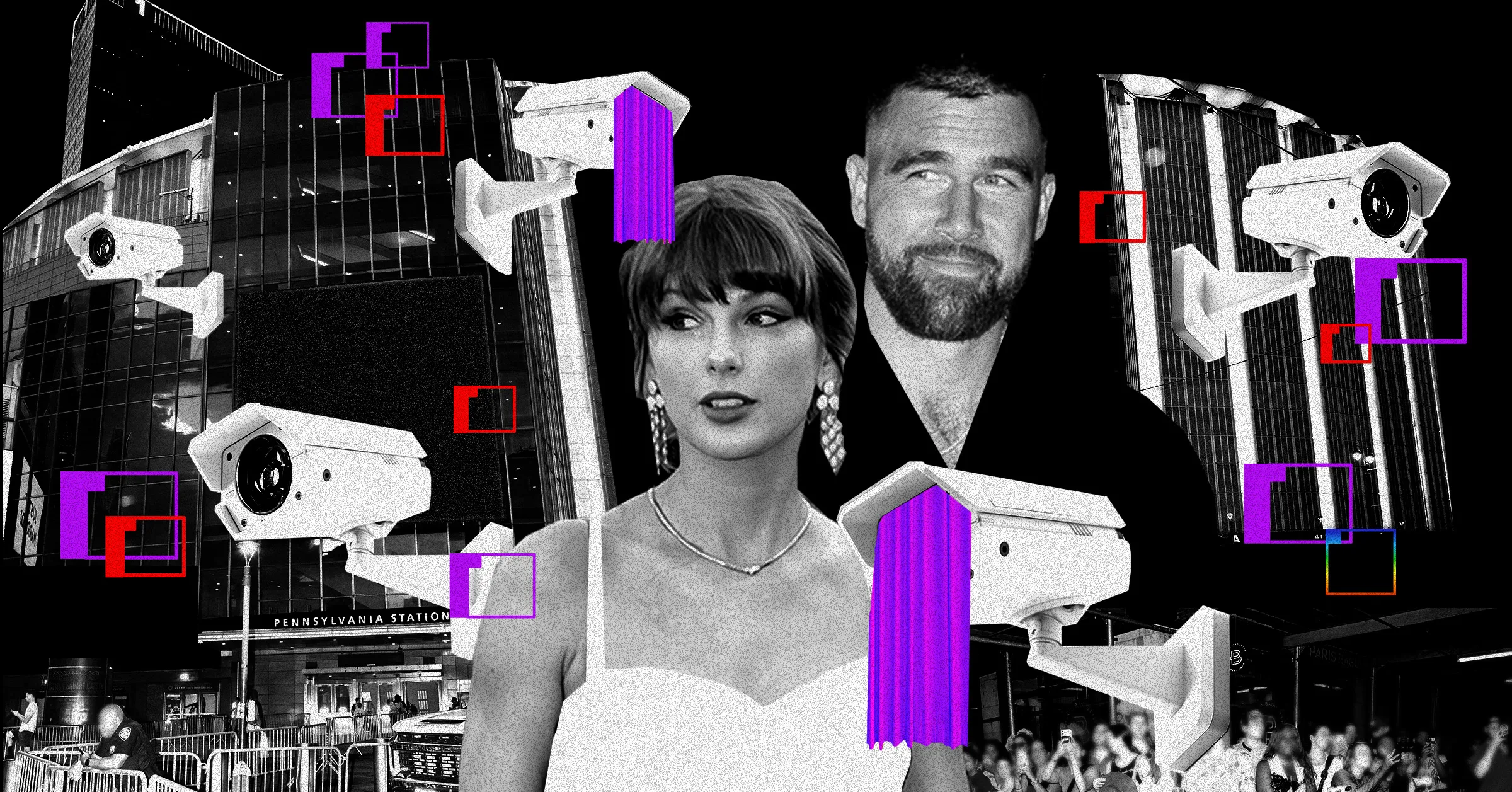
Madison Square Garden temporarily disabled its internal face-recognition and surveillance camera network for approximately seven hours on July 2 and 3, 2026, to accommodate Taylor Swift and Travis Kelce’s rehearsal dinner and wedding. The shutdown, ordered by an MSG executive due to a client privacy request, barred security staff from monitoring the venue’s biometric systems, which are typically used for security and have been subject to controversy regarding their use against critics. While external cameras remained active due to heightened security threats in New York City, the internal lockdown ensured privacy for the high-profile event, drawing criticism from civil libertarians who view the accommodation as a privilege for the elite.
An internal document reviewed by WIRED confirms that MSG security staff were forcibly logged off the Genetec video management system after 3 PM on July 2, with only a handful of company leaders and engineers retaining access. The lockdown was reportedly repeated on July 3, the night of the wedding, which drew approximately 1,000 high-profile guests. Guests at the rehearsal dinner were required to sign nondisclosure agreements, park in tents for secrecy, and adhere to a no-phone policy.
MSG’s face-recognition system, powered by Genetec software and eConnect entrance cameras, has previously been used to track individuals in real time across the venue, including a transgender woman monitored down to the second and individuals flagged due to legal disputes with MSG owner James Dolan. A leaked database of over 39,000 VIPs, confirmed by MSG in a defamation lawsuit against WIRED, includes risk scores, race, gender, and sexual orientation data for celebrities, including Swift and Kelce’s guests such as Selena Gomez and Ice Spice.
New York State Assembly member Zohran Mamdani, now Mayor of New York, cosponsored a measure targeting biometric surveillance in public spaces, citing concerns over MSG’s practices. Civil libertarians argue that the suspension of surveillance for the wedding highlights a disparity in privacy rights, with activists noting that while the couple’s wealth afforded them this exemption, the general public remains subject to pervasive monitoring.
The incident underscores the tension between MSG’s security protocols and privacy expectations. While the venue maintains that its biometric systems are essential for safety, particularly during heightened threat environments linked to America 250 celebrations, the selective application of these measures has drawn scrutiny. The shutdown represents a significant deviation from standard operations, where even law enforcement events have not typically resulted in the suspension of internal surveillance capabilities.