Madhya Pradesh High Court declares historic Dhar mosque a temple, orders idol repatriation
The Madhya Pradesh High Court has ruled that the Kamal Maula mosque in Dhar is a temple dedicated to the Hindu goddess Vagdevi, dismissing the Muslim community’s claim to the site while permitting them to seek alternative land for a new mosque.
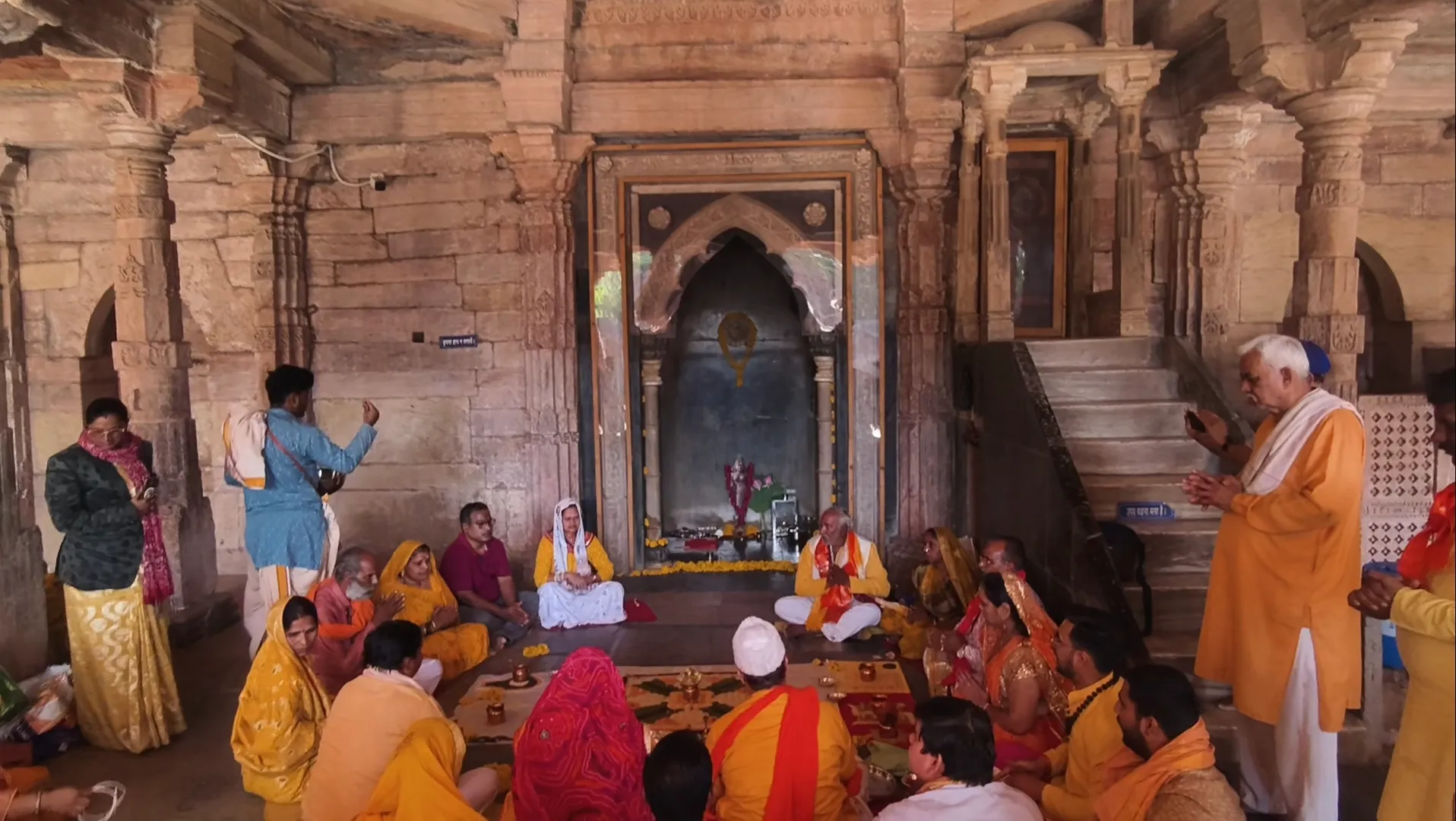
The Madhya Pradesh High Court has ruled that the historic Kamal Maula mosque in Dhar is a temple dedicated to the Hindu goddess Vagdevi, dismissing the Muslim community’s claim to the site. The decision allows Hindus to worship at the location while permitting Muslims to seek alternative land in the district to construct a new mosque. The ruling relies heavily on a 2024 survey conducted by the Archaeological Survey of India (ASI) and includes an order for the government to consider repatriating a Vagdevi idol from the British Museum in London.
In its judgement, the court dismissed the petitions of the Muslim community, relying on the recent ASI survey to determine the site’s religious character. The court also rejected a formal gazetted notice from August 1935, which stated the complex was a mosque and would remain so, ruling that the document predated current laws. Local Hindu activists, including Gopal Sharma, described the post-verdict rituals as a restoration of dignity for their goddess, claiming the temple was destroyed by Islamic rulers in the 1300s.
Muslim advocates, including lawyer Ashhar Warsi and MP Asaduddin Owaisi, have pledged to challenge the ruling in the Supreme Court, citing violations of the Places of Worship Act 1991. Warsi argued that historical records show the idol in question was found in the ruins of the City Palace, not the mosque site, and described the judgement as an erroneous violation of established rule of law. Owaisi noted that the ruling reeks of the Supreme Court’s 2019 decision on the Babri Mosque, suggesting it opens the floodgates for similar claims across India.
Historian Audrey Truschke criticised the ASI survey as politically motivated and substandard, lacking international scholarly rigour. She stated that the current trend of targeting mosques is part of an entrenched Islamophobia within Hindu nationalism, aimed at harassing Muslim communities and restricting freedom of religion. Truschke emphasised that scholars require methodology and conclusions that meet international standards, arguing that politically motivated surveys carry little weight.
Following the verdict, Hindu worshippers gathered at the site, which is part of the protected Bhojshala complex, to install a temporary idol of the goddess amid heavy police deployment. The court ordered the Indian government to consider repatriating the idol, known as Ambika, currently held in the British Museum. The decision marks another significant shift in India’s religious landscape, echoing similar disputes in Varanasi and Mathura, and has drawn sharp criticism from those who view it as an erasure of historical memory and a threat to minority rights.