Macron’s Final Bastille Parade Marks Peak in French Military Display for Ukraine
Over 6,000 soldiers marched in Paris on July 14, 2026, as Emmanuel Macron sought to cement European strategic autonomy and rally allies behind Kyiv.
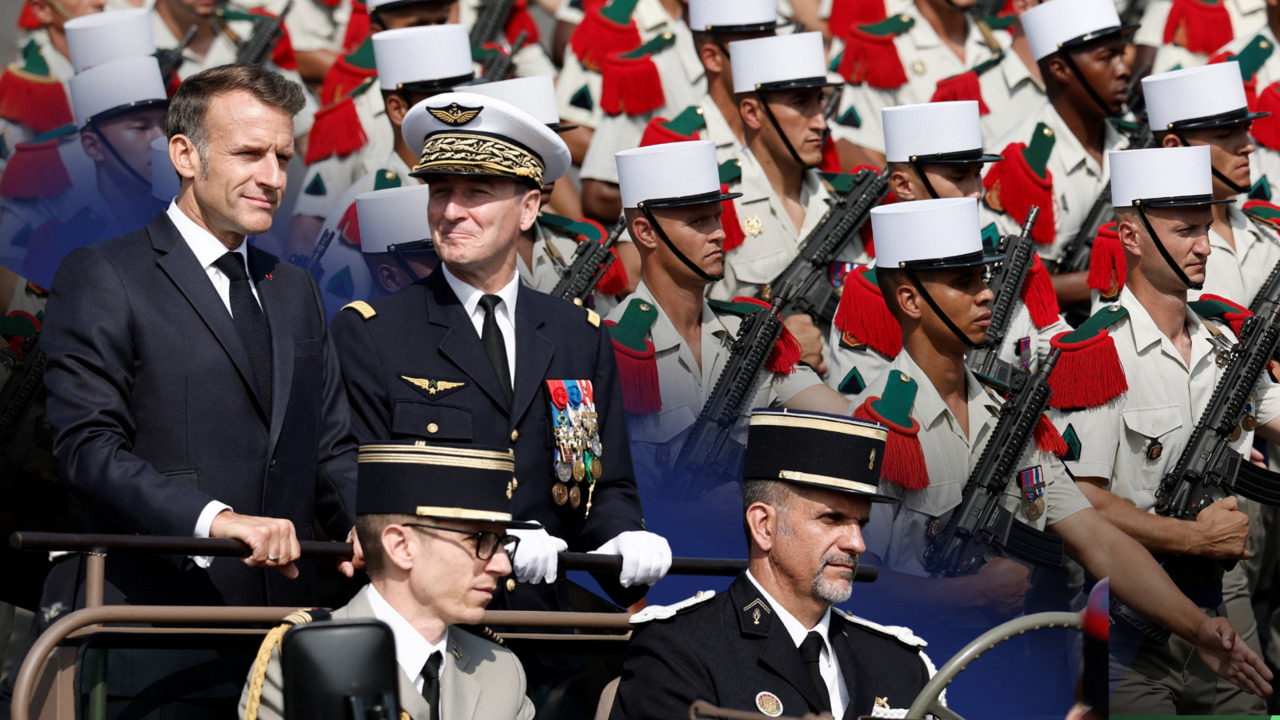
President Emmanuel Macron presided over the largest Bastille Day military parade in French history on July 14, 2026, utilising the nation’s most significant annual ceremonial event to underscore a unified front for Ukraine. As this marked the President’s final Bastille Day parade, the occasion served as a definitive statement on national military capacity and the administration’s commitment to European strategic autonomy.
More than 6,000 troops marched along the Champs-Élysées, representing a substantial increase in scale compared to previous years. The mobilisation was explicitly framed by the Elysée Palace as a show of unity for Ukraine, with Macron using the platform to rally European allies behind Kyiv’s defence efforts amidst the ongoing conflict.
The parade highlighted France’s ongoing rearmament efforts, aligning with Macron’s long-standing policy goals to reduce European dependence on external powers. By showcasing the French armed forces on such a grand scale, the administration reinforced its stance that a robust, independent European defence posture is essential for regional security.
While the military display dominated the diplomatic narrative in Paris, other significant global events unfolded concurrently. The United States defeated Paraguay 4-1 in the opening match of the 2026 World Cup Group D in Los Angeles, drawing international sporting attention away from the European capital.
Simultaneously, the international community responded to powerful earthquakes in Venezuela, with aid pledges issued by the United States, China, and Spain. However, these humanitarian and sporting developments remained distinct from the strategic diplomatic focus of the Bastille Day proceedings.
The event concluded Macron’s presidency with a focus on institutional continuity and military readiness. By leveraging the traditional anniversary of the storming of the Bastille fortress to project power and alliance cohesion, the French government signalled its intent to maintain a leading role in European security architecture.
Observers noted that the sheer volume of personnel and the explicit political messaging regarding Ukraine represented a departure from the more ceremonial tone of recent years, reflecting the heightened geopolitical stakes of 2026.