Macron summons party leaders to Elysée as energy costs strain French economy
The rare gathering at the presidential palace highlights how conflicts in Iran and Ukraine are driving a fiscal crisis, forcing political rivals to confront limited budgetary room ahead of the next election.
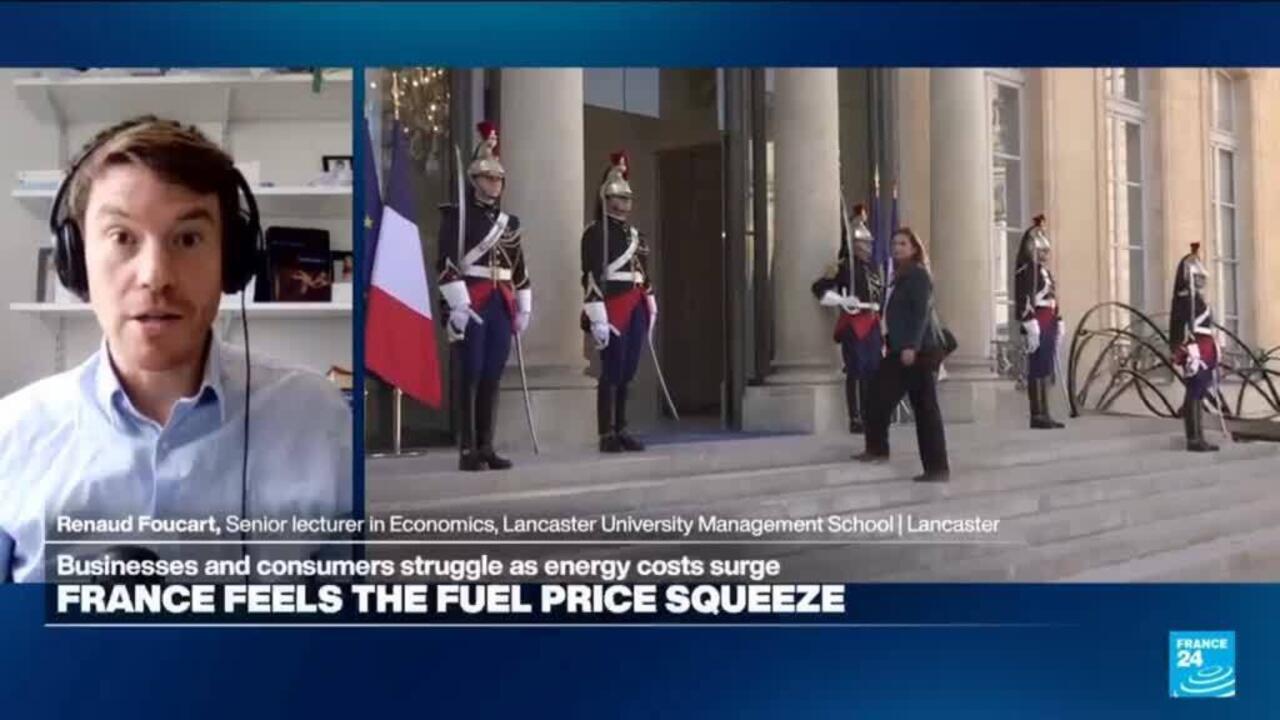
French President Emmanuel Macron has convened a rare meeting at the Elysée Palace with leaders of major political parties to address the escalating cost of energy. The gathering brings the domestic impact of the ongoing wars in Iran and Ukraine to the forefront of French governance, as these conflicts continue to destabilise the nation’s energy supply and broader economic stability.
The meeting underscores a significant shift in political focus, moving from traditional ideological debates to the immediate pressures of soaring fuel prices. According to Renaud Foucart, a Senior Lecturer in Economics at Lancaster University’s Management School in the UK, the current energy and economic crises expose a deeper collision between economic constraints and political accountability.
Foucart interprets the Elysée summit as a strategic move by the President to force prospective successors to confront the harsh realities of the current fiscal landscape. The discussion centred on high energy costs, rising borrowing rates, and the limited fiscal room available to the government. These factors are increasingly difficult to ignore as the presidential election approaches.
The economic pressure is further compounded by the contentious legacy of the pension reform, which Foucart described as “radioactive” due to its political sensitivity. This reform remains a focal point of public discontent, adding another layer of complexity to the government’s ability to implement new economic measures without triggering further unrest.
Internationally, the situation is exacerbated by recent legislative moves in the United States. The US House recently approved a bipartisan sanctions bill targeting Russia, which authorises tariffs on countries purchasing Russian oil. While the bill awaits final presidential action, it signals a tightening of global energy markets that could further impact France’s already strained energy costs.
Analysts suggest that by bringing party leaders together, Macron is attempting to shape the narrative around his presidential legacy. The move serves to frame the current economic difficulties as a result of external geopolitical shocks rather than solely domestic policy failures, setting the stage for the upcoming electoral contest.