Macron orders infrastructure shield as French government prepares for Russian hybrid threat
The French President has tasked his cabinet with protecting critical defence sites and announced a G7 summit to address energy reserves, citing an intensifying campaign of Russian hybrid attacks aimed at undermining support for Ukraine.
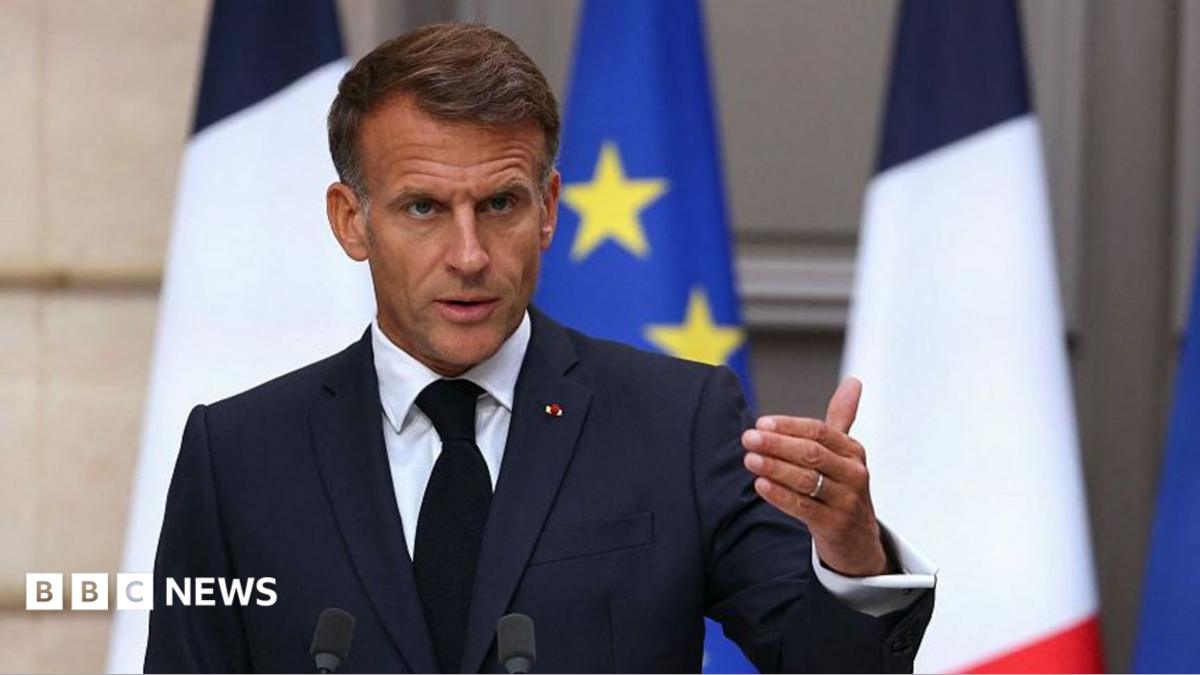
French President Emmanuel Macron has declared that the threat of Russian hybrid attacks against Europe and France has intensified in recent weeks. Speaking at the Elysee Palace, the President stated that France had been targeted by such attacks and that these incidents would not be left without a response. The assessment marks a shift in how the French state is framing the security environment, moving from general vigilance to specific institutional preparation.
In a move to institutionalise the response, Macron has tasked the French government with preparing a dedicated plan to protect critical infrastructure. The directive specifically highlights the need to secure the "most sensitive" defence industry and technology sites against both drone and cyberattacks. This focus on the defence industrial base suggests a strategic concern that Russia is targeting the capacity of European nations to sustain long-term military support for Ukraine.
The President’s remarks were delivered after a meeting with party leaders to discuss the security implications of the wars in the Middle East and Ukraine. Macron referenced a drone attack on Leipzig airport in Germany last month, which was blamed on Russia, as well as comments by Polish Prime Minister Donald Tusk regarding planned strikes on NATO’s eastern flank. These references underscore a growing consensus among European leaders that Russia may be preparing attacks to test the commitment of its neighbours to supporting Kyiv.
Macron argued that the intent behind these hybrid operations is to intimidate European nations and break their effort to support Ukraine. "The result will be the exact opposite," he said, asserting that France is not intimidated because it recognises that its security today and tomorrow is at stake in Ukraine. This framing positions the conflict not merely as a regional dispute but as a direct test of European institutional resilience.
Beyond immediate defence measures, the President announced that France would convene a G7 meeting in the coming weeks to address energy issues. The summit aims to strengthen cooperation and avoid unnecessary tensions between G7 countries and their main partners. A key agenda item will be raising the question of gas stocks with the European Commission, with the potential release or unlocking of strategic reserves under consideration.
This development occurs against a backdrop of broader geopolitical pressure, including a bipartisan sanctions bill recently passed by the US House that authorises potential tariffs on countries buying Russian oil. While the specific nature of the hybrid attacks targeting France has not been fully detailed, the combination of infrastructure protection and energy diplomacy signals a coordinated approach to managing the multi-front challenges facing Europe.