Macron and Kagame unveil Paris memorial as Rwanda-France reconciliation milestone
The inauguration of 'L’Archive' on the banks of the River Seine marks a significant step in addressing historical accountability, with Rwandan President Paul Kagame praising the 'courage and humanity' of the French leadership in confronting past failures.
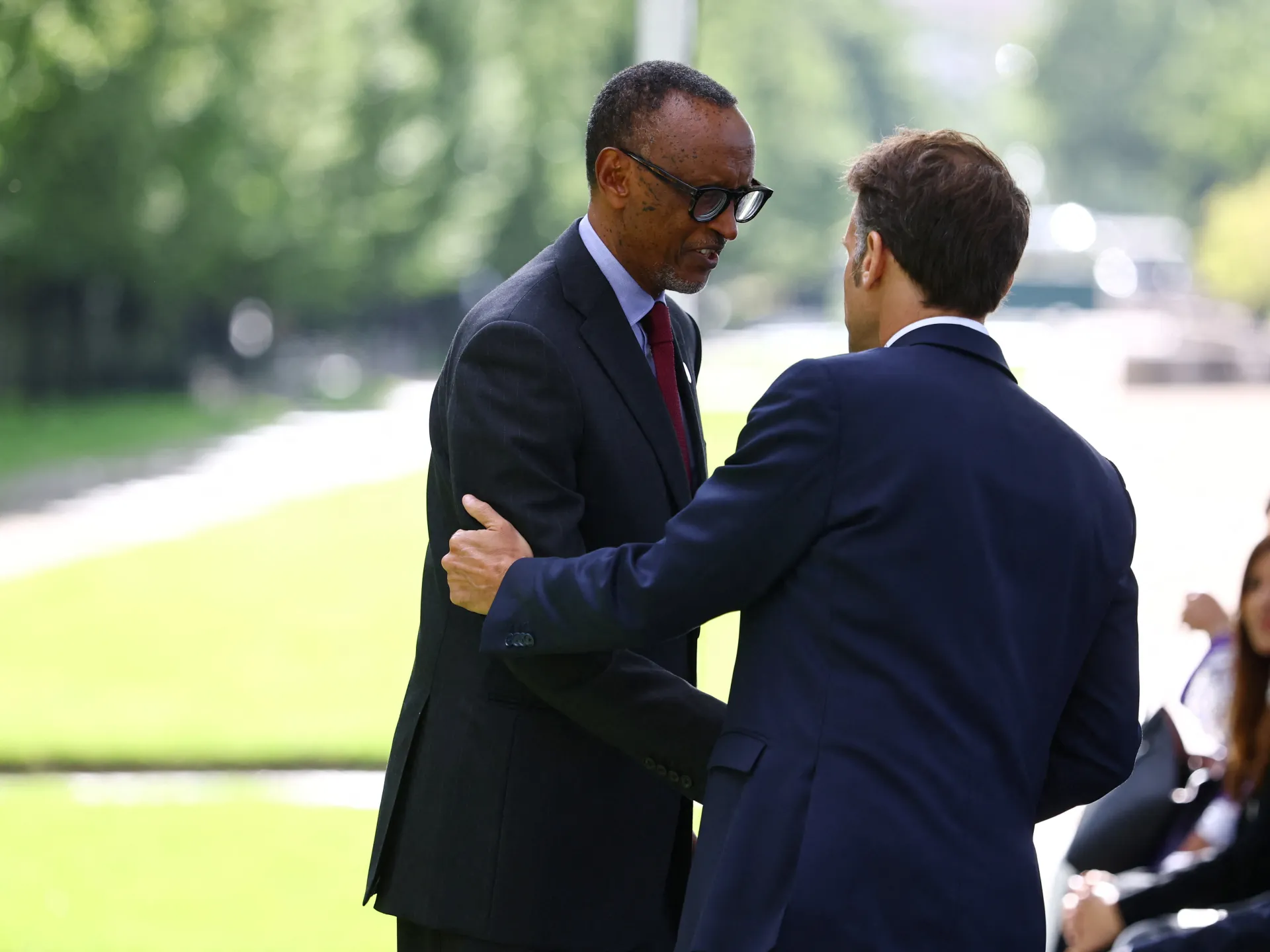
French President Emmanuel Macron and Rwandan President Paul Kagame have inaugurated a memorial in Paris dedicated to the victims of the 1994 Rwandan genocide, marking a significant development in the diplomatic relationship between the two nations. The ceremony, held on the banks of the River Seine on Tuesday, saw the unveiling of the monument titled “L’Archive”, which Macron described as a “milestone” in the ongoing process of reconciliation.
Designed by Berlin-based Portuguese artist Grada Kilomba, the installation consists of two black brass steles bearing an engraved tribute to the estimated 800,000 men, women and children, predominantly ethnic Tutsis, who were massacred between April and July 1994. Macron characterised the event as the “culmination of a long and patient quest for truth”, stating that an “unprecedented reconciliation” has emerged between France and Rwanda.
During the inauguration, Macron acknowledged France’s “serious and overwhelming” responsibility for failing to prevent the atrocity, a stance informed by a 2021 commission led by historian Vincent Duclert. However, the French president stopped short of issuing a formal apology, describing the monument not as an end point but as a milestone on a path that remains open. He noted that while Paris and its allies lacked the will to halt the genocide, the current efforts represent a decisive shift in historical accountability.
Rwandan President Paul Kagame praised Macron’s “courage and humanity” in confronting these historical responsibilities. While acknowledging that other nations also failed to act, Kagame emphasised that France had gone furthest in setting the record straight. He noted that confronting such responsibilities often generates “fierce opposition” from those with a case to answer, yet insisted on the necessity of addressing the past to move forward.
The memorial’s unveiling follows five years since Macron first acknowledged France’s failure to heed warnings of the impending massacres during a visit to Kigali. The relationship between the two countries has been strained by decades of tension, including a break in diplomatic ties between 2006 and 2009, stemming from France’s long-standing support for Rwanda’s former Hutu-dominated government.
Legal and historical inquiries into the genocide continue to shape the bilateral dynamic. The Duclert commission concluded that France was blinded by its colonial attitude but found no evidence of complicity in the killings. Meanwhile, French courts have convicted several Rwandans for their roles in the massacre, and the judiciary recently ordered the resumption of an investigation into accusations involving the widow of former Rwandan President Juvenal Habyarimana.
Historian Vincent Duclert described the monument as a “powerful” step, asserting that the genocide against the Tutsi is now fully integrated into France’s public history. The event underscores the institutional effort to reframe the narrative of the 1994 atrocities, moving from diplomatic friction towards a structured acknowledgment of historical duty.