Macron and Kagame inaugurate Paris memorial for Rwandan genocide victims
The new site honours the more than one million Tutsis killed in 1994, a period during which France faced accusations of complicity due to its ties with the then-Rwandan government.
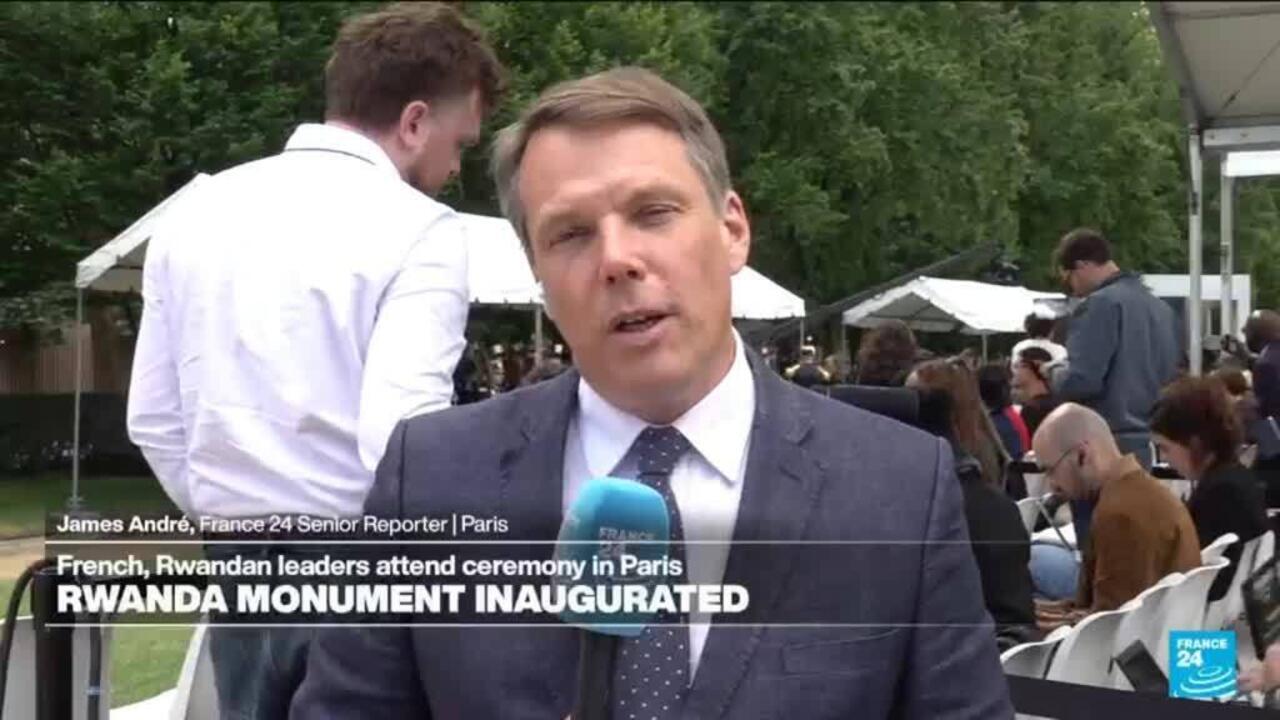
French President Emmanuel Macron and Rwandan President Paul Kagame have jointly inaugurated a new memorial site in Paris dedicated to the victims of the 1994 genocide against the Tutsis. The ceremony, which took place on 2 June 2026, brings the two leaders together in the French capital to acknowledge the scale of the historical tragedy and the enduring diplomatic complexities between their nations.
The memorial serves as a permanent tribute to the more than one million Tutsis who were killed in just over 100 days during the 1994 genocide. The event underscores the continued effort to memorialise the victims and maintain historical memory within international diplomatic spaces, with the site located in Paris serving as a focal point for remembrance.
The inauguration occurs against a backdrop of historical tension regarding France’s involvement in the conflict. At the time of the genocide, France was accused of complicity due to its political and military ties with the then-Rwandan government. These historical accusations have long shaped the diplomatic narrative between Paris and Kigali, making the joint presence of Macron and Kagame at the memorial a significant gesture of reconciliation and acknowledgment.
The event was reported from the scene by FRANCE 24’s James André, who covered the proceedings as the leaders unveiled the new site. The coverage highlights the institutional focus on the memorial’s establishment as a key moment in the ongoing relationship between France and Rwanda, moving beyond ceremonial gestures to address the substantive historical record.
While the specific architectural details of the memorial were not disclosed in the initial reports, the presence of both heads of state signals a continued commitment to addressing the legacy of the genocide. The inauguration marks a formal step in recognising the victims, set against the broader context of international accountability and the long-term impact of the 1994 atrocities.
The ceremony reflects the broader geopolitical landscape, where historical accountability remains a sensitive but necessary component of diplomatic engagement. By inaugurating the memorial, Macron and Kagame have placed the memory of the genocide at the centre of contemporary Franco-Rwandan relations, acknowledging the past while navigating the present political realities.
As the memorial stands as a new fixture in Paris, it serves as a reminder of the human cost of the genocide and the complex historical responsibilities that continue to influence international relations. The event marks a definitive moment in the institutional memory of the genocide, ensuring that the scale of the loss is recognised in the heart of the French capital.