Macklemore tour dispute fuels debate over pro-Palestinian speech
An Al Jazeera opinion article says Macklemore’s reported removal from Ed Sheeran’s US tour triggered withdrawals, falling ticket prices and increased support for Palestinian organisations.
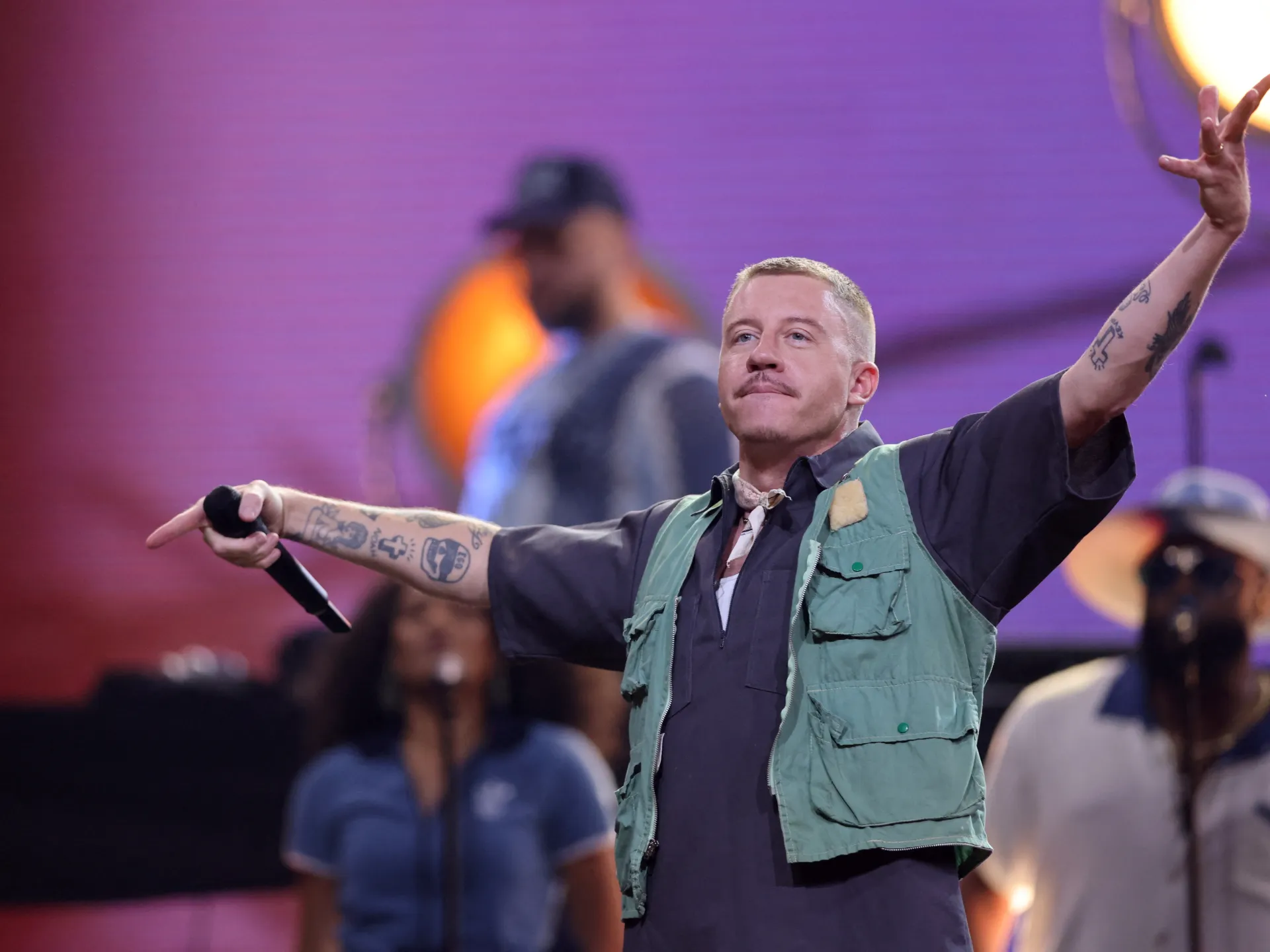
Macklemore’s reported removal from Ed Sheeran’s US tour after speaking publicly about Palestine has prompted a wider debate over the professional consequences of pro-Palestinian speech, according to an opinion article published by Al Jazeera.
The article claims that the remaining support acts — Finneas, Lukas Graham, Aaron Rowe and Beoga — withdrew from the tour. It also says ticket prices for some remaining concerts fell by up to 50 per cent. The claims have not been independently verified in the supplied material.
According to the article, Macklemore pledged US$1 million from his tour appearances to six organisations supporting Palestinians. It also reports that Sheeran was expected to donate US$2 million to humanitarian relief in the region, while children’s educator Ms Rachel pledged US$1 million. The timing, terms and recipients of the reported pledges are unclear.
The article presents the response as evidence that attempts to restrict pro-Palestinian messages can generate greater attention for them. Its author argues that Israel and its supporters are losing influence over how discussions about Palestine are framed, while stressing that this conclusion is interpretive.
Sheeran later described the situation in Gaza as “unjustifiable” during a concert in Philadelphia, according to the article. Al Jazeera’s piece also cites findings and legal actions concerning Gaza, but those claims are presented here as reported and contested rather than independently established by the supplied material.
The episode illustrates the tension between commercial control over public platforms and the political consequences of disciplining performers over speech. The article’s central argument is that professional penalties may still exist, but are increasingly accompanied by reputational and financial costs for those enforcing them.