Lund University academic warns deep mistrust stalls US-Iran diplomatic exit
As US Secretary of State Marco Rubio describes the situation as a work in progress, regional tensions are further complicated by new sanctions on Cuba and warnings from Havana.
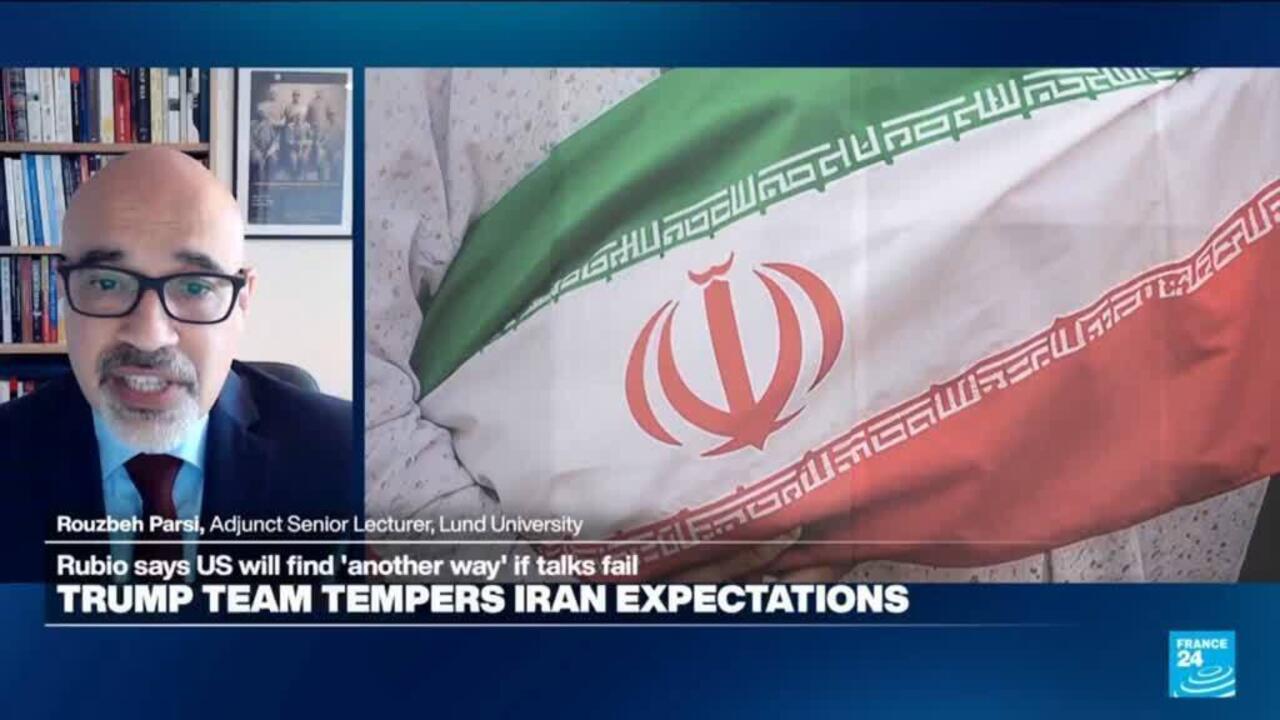
Rouzbeh Parsi, an adjunct senior lecturer at Lund University, has told FRANCE 24 that deep-seated mistrust is currently obstructing diplomatic efforts between the United States and Iran. While both Washington and Tehran appear to be seeking an exit strategy from prolonged confrontation, Parsi highlighted that high uncertainty persists due to conflicting signals emanating from both capitals.
The academic noted that contradictions within the current negotiations make it difficult to reach a credible agreement. Despite the risk of escalation into a wider war, Parsi suggested that both nations are looking for a diplomatic resolution, though the path forward remains clouded by the prevailing lack of trust between the two governments.
These direct talks are occurring against a backdrop of broader regional diplomatic activity. US Secretary of State Marco Rubio has characterised the situation as a work in progress. Concurrently, President Trump has reported having positive discussions with leaders from Saudi Arabia, the United Arab Emirates, and Qatar, which appear to form part of a wider diplomatic strategy, although the specific impact of these regional engagements on the US-Iran negotiations has not been explicitly detailed.
Tensions in the region are further heightened by developments involving Cuba. The US Treasury has imposed new sanctions on Cuba’s intelligence agency and senior officials following reports that Havana has acquired over 300 military drones from Russia and Iran. The sanctions target the intelligence agency, nine Cuban nationals, and several top Communist Party officials and generals.
In response to the escalating pressure, Cuban President Miguel Diaz-Canel has warned of a bloodbath in the event of a US attack, asserting Havana’s right to self-defence. These events underscore the complex security environment in which the US and Iran are attempting to navigate a diplomatic way out of their conflict.