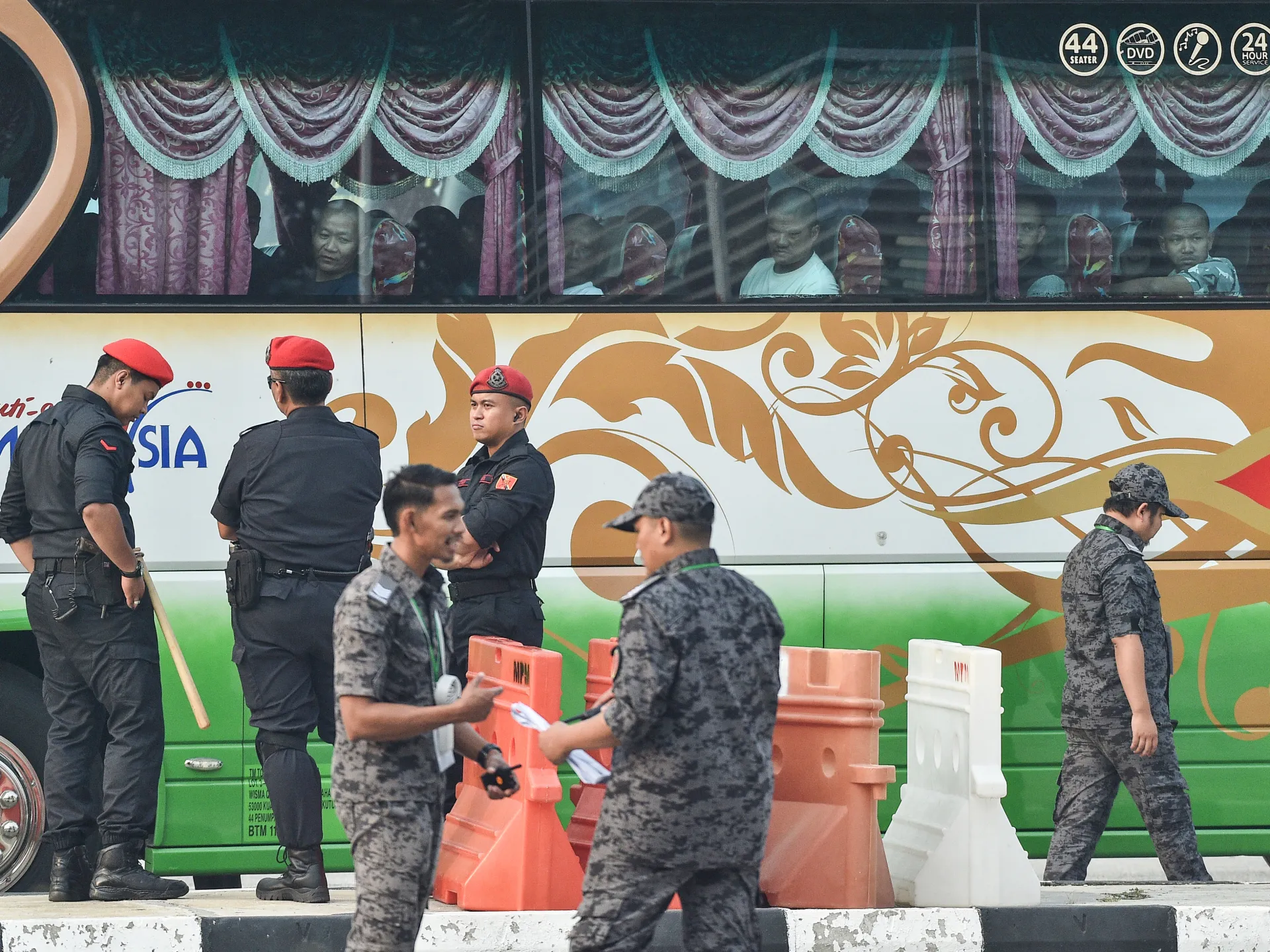
Lula unveils $2.2 billion anti-crime strategy ahead of October vote
The initiative, announced in Brasilia, aims to dismantle territorial control by Comando Vermelho and First Capital Command while seeking to avoid US narcoterrorism designation.
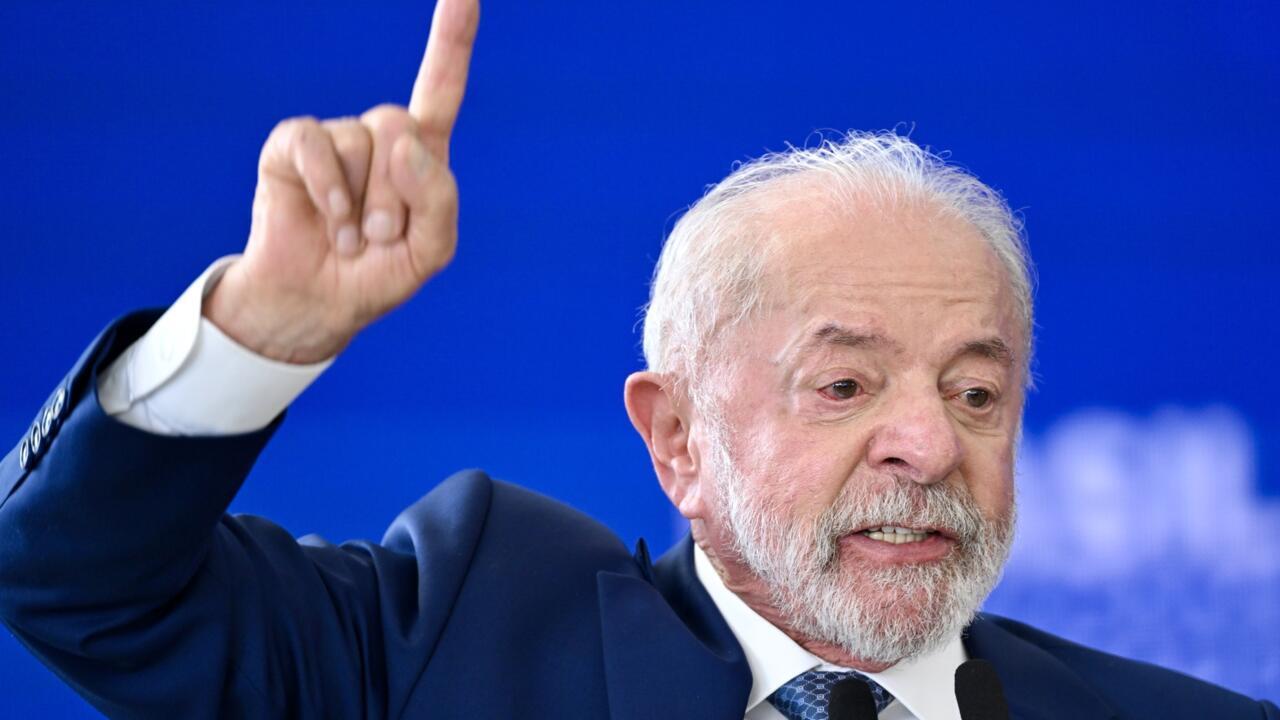
Brazilian President Luiz Inácio Lula da Silva has launched a comprehensive anti-organised crime plan, deploying $2.2 billion in funding and equipment to dismantle the territorial control of major criminal factions five months before the October presidential election. The initiative, unveiled in Brasilia on Tuesday, marks a significant escalation in the government’s security posture as voter surveys identify public safety as the primary concern, surpassing economic and corruption issues.
The strategy focuses on financially strangling the Comando Vermelho and First Capital Command by disrupting money laundering channels and cracking down on illicit markets for arms and drugs. The government has earmarked $200 million in direct operational funding for 2026, alongside a $2 billion allocation for advanced security hardware. This equipment includes drones, armoured vehicles, signal jammers, and forensic tools designed to enhance the capabilities of security forces operating in regions ranging from Rio de Janeiro’s favelas to the Amazon rainforest.
A central component of the plan involves upgrading dozens of prisons to maximum-security standards. This measure aims to sever the ability of organised crime leaders to direct operations from behind bars, addressing a longstanding vulnerability in the penal system. President Lula framed the announcement as a definitive signal to criminal groups, stating that they would soon cease to be the masters of any territory.
The policy shift follows high-level security discussions between Lula and US President Donald Trump last week. With Washington prioritising the fight against narcoterrorism and designating major cartels as foreign terrorist organisations, Brazil is keen to avoid a similar classification. Lula indicated that Brazil possesses the expertise to tackle organised crime and expressed eagerness to cooperate with the United States on intelligence sharing and joint efforts to combat trafficking networks.
The announcement has drawn sharp criticism from Lula’s main electoral rival, Senator Flavio Bolsonaro. The senator, who is neck-and-neck with the president in recent polls, dismissed the plan on social media as another “PowerPoint speech.” His campaign is advocating for hardline measures inspired by the security policies of El Salvador’s President Nayib Bukele, including the construction of additional prisons, contrasting his approach with the current administration’s focus on financial disruption and technological upgrades.