LSU and SEC clash over player eligibility rules
A unanimous vote by SEC presidents to ban former professional athletes from competition has created a direct conflict with LSU, which is relying on a Louisiana court ruling to retain key players.
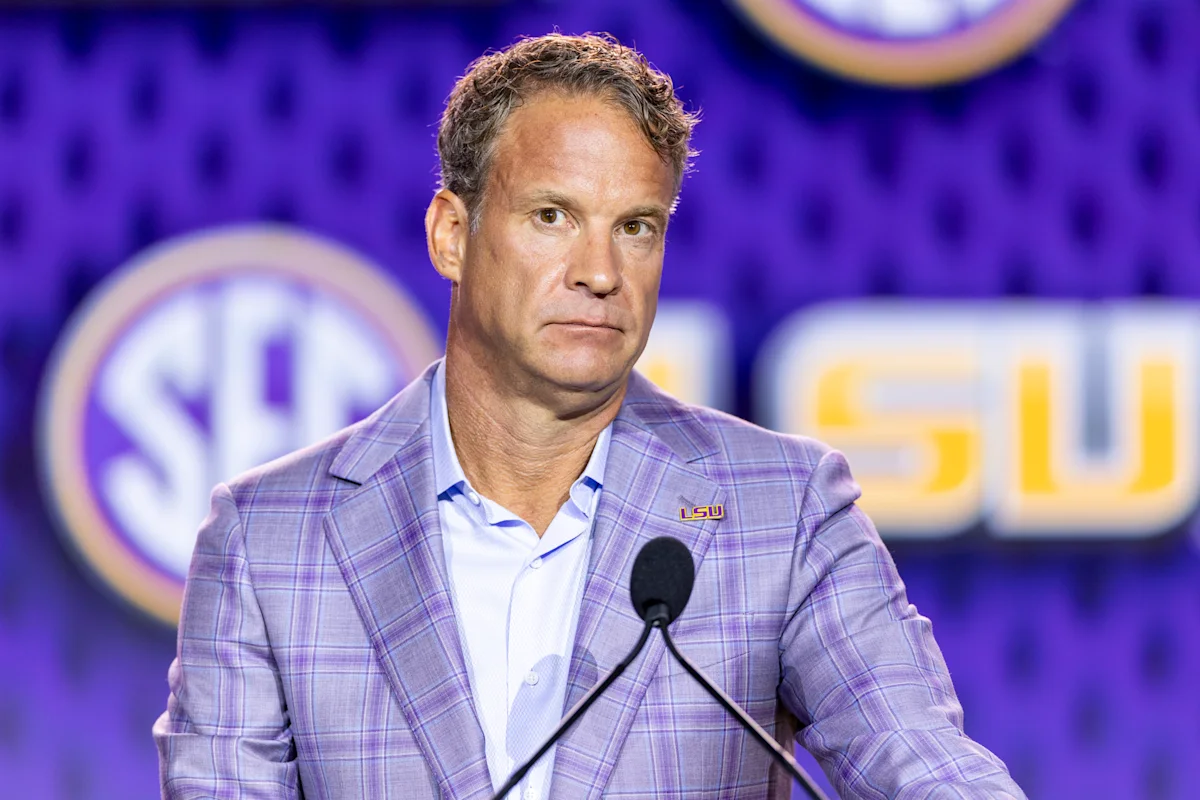
The Southeastern Conference (SEC) has entered into a direct institutional dispute with Louisiana State University (LSU) over the eligibility of athletes who have previously signed professional contracts. The conflict centres on a recent unanimous vote by SEC presidents to prohibit football and basketball players who signed or were members of National Football League (NFL) or National Basketball Association (NBA) teams from competing in the league.
The SEC’s decision, made during a two-day joint meeting with athletic directors in Birmingham, Alabama, was designed to close a loophole recently exploited by LSU head coach Lane Kiffin. The university is currently relying on a ruling from a Louisiana judge that granted an additional year of eligibility to a group of athletes, some of whom had signed NFL contracts and played in preseason games.
This legal divergence renders several key LSU players ineligible under the new conference rules. The affected roster includes tight end Dae'Quan Wright and defensive tackle Zxavian Harris, both of whom are former Ole Miss players who joined Kiffin’s squad last year. The dispute also impacts LSU basketball player RJ Luis, who played in three NBA games and was subsequently traded.
LSU President Wade Rousse voted in favour of the prohibition, a decision that directly affects his own institution’s roster. Despite the ruling, LSU intends to proceed with signing Wright, who is believed to already be in Baton Rouge. Sports lawyer Darren Heitner, representing the player, confirmed that the university plans to finalise the contract despite the conference’s stance.
The lawsuit that established the eligibility loophole originated from LSU’s campus and included three former Ole Miss players. While the SEC has moved to enforce its new standards, it remains unclear whether the conference will formally sue its own member school to resolve the contradiction between the state court order and the league’s bylaws.
The situation highlights a broader trend in college athletics, where the Big Ten and SEC have previously moved to ban former NFL players from college football. Penalties for such violations have been modelled on the National Collegiate Athletic Association (NCAA) ghost transfer rule, which includes financial penalties and coaching bans.