Louisville Police Reform Under Scrutiny After Fatal Shooting
One year after the Trump administration ended federal oversight, the fatal shooting of Katelyn Hall has intensified debate over the effectiveness of local police reform without a consent decree.
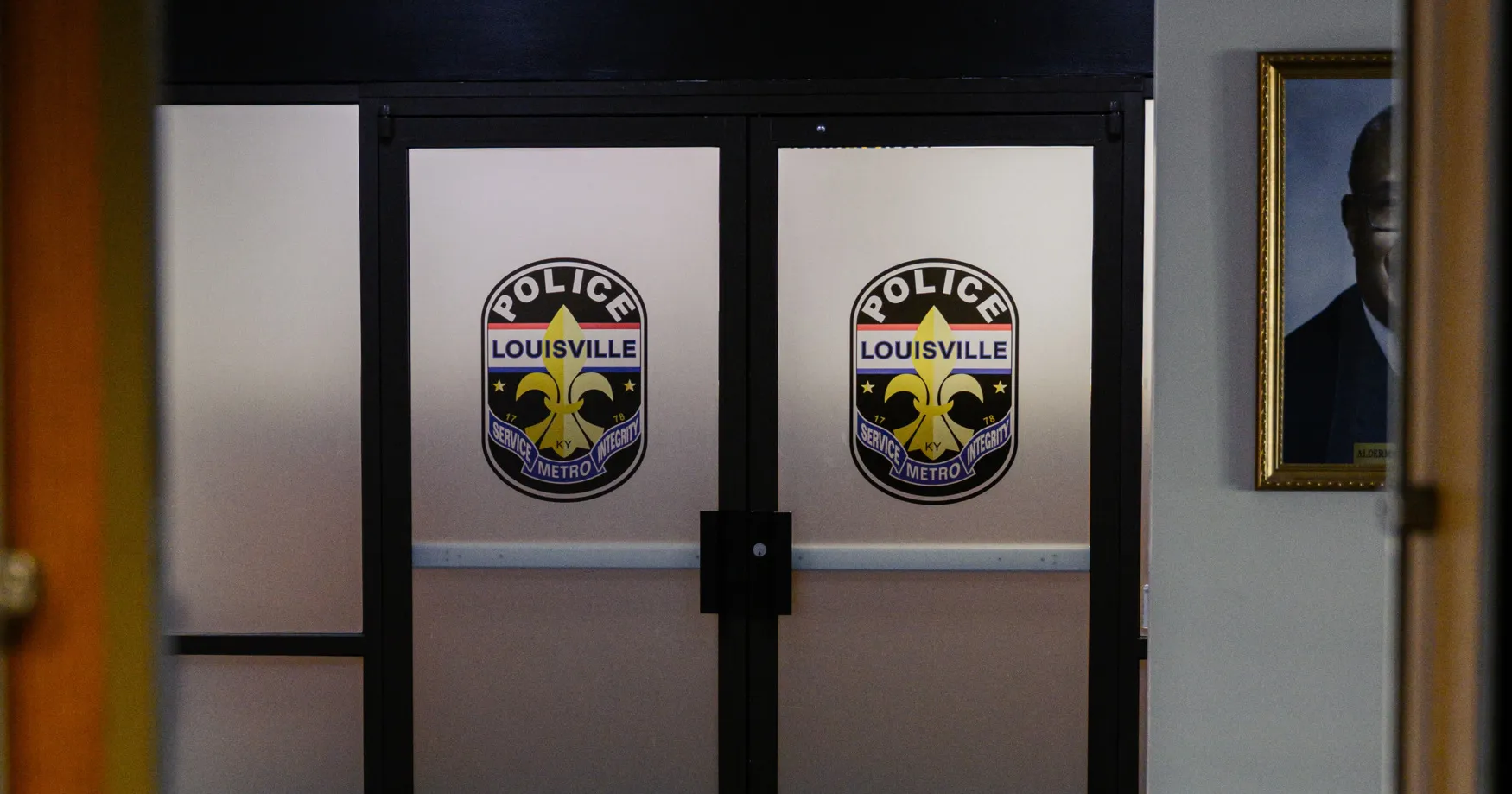
One year after the Trump administration withdrew federal oversight of the Louisville Metro Police Department, the city’s voluntary reform initiative faces intense scrutiny following the fatal shooting of Katelyn Hall. The 28-year-old woman, who was experiencing a mental health crisis, was shot and killed by officers in March 2025. The incident has reignited criticism from civil rights advocates and community leaders, who argue that the city’s reform plan lacks the enforcement mechanisms necessary to address entrenched issues such as discriminatory policing and inadequate use-of-force reviews.
Mayor Craig Greenberg pledged to continue reforms previously negotiated with the Biden administration, describing the local initiative as the Community Commitment. The plan includes the hiring of an independent monitor and the expansion of mental health diversion programs. However, police records obtained by ProPublica reveal that between December 2024 and April 2025, officers engaged in nearly 50 use-of-force incidents. Many of these involved tactics previously flagged by the Department of Justice in 2023, including the use of chokeholds and allowing police dogs to bite non-threatening suspects. In several cases, the department’s internal review unit deemed these actions appropriate despite witness accounts describing excessive force.
The shooting of Hall occurred just four days after the newly formed behavioural health council held its first meeting. Experts reviewing body camera footage noted that officers spent only six minutes attempting verbal de-escalation before forcing entry into Hall’s apartment. Hall’s mother, Rebecca Hall, stated that responders ignored her presence and offer to assist in calming her daughter. Mental health advocates have long argued that police are not adequately trained for such crises, noting that Louisville policy currently prohibits mental health professionals from responding to calls where a weapon is present. Hall was considered armed with glass, which prevented a co-response team from attending.
Critics point out that the voluntary plan differs significantly from the federal consent decree that was rescinded. Unlike a court order, which allows a federal judge to enforce compliance, Louisville’s plan relies on continued dialogue between the monitor and the police department. Ed Harness, Louisville’s inspector general, noted there is no legal enforceability to the current reforms. Community activists, including Kungu Njuguna of the Kentucky ACLU, are calling for local ordinances to enshrine key reforms, fearing that without federal mandates, progress may stall due to political or budgetary pressures.
Police Chief Paul Humphrey defended the department’s record, stating that it responded to 3,200 mental health calls last year with only about eight resulting in injury. He argued that reform takes time and that the department is progressing rapidly. The mayor’s office is now exploring options to pair mental health professionals with police on critical incidents, potentially using remote technology. However, with the Hall shooting still under investigation and the behavioural council yet to issue recommendations, the case stands as a test of whether voluntary reform can effectively replace federal oversight.