Louisiana’s Prison Expansion Driven by Parole Rollbacks and Policy Shifts
A $798 million corrections budget and $165 million in education cuts signal a strategic pivot away from previous bipartisan reform efforts, with experts warning of long-term fiscal and operational strain.
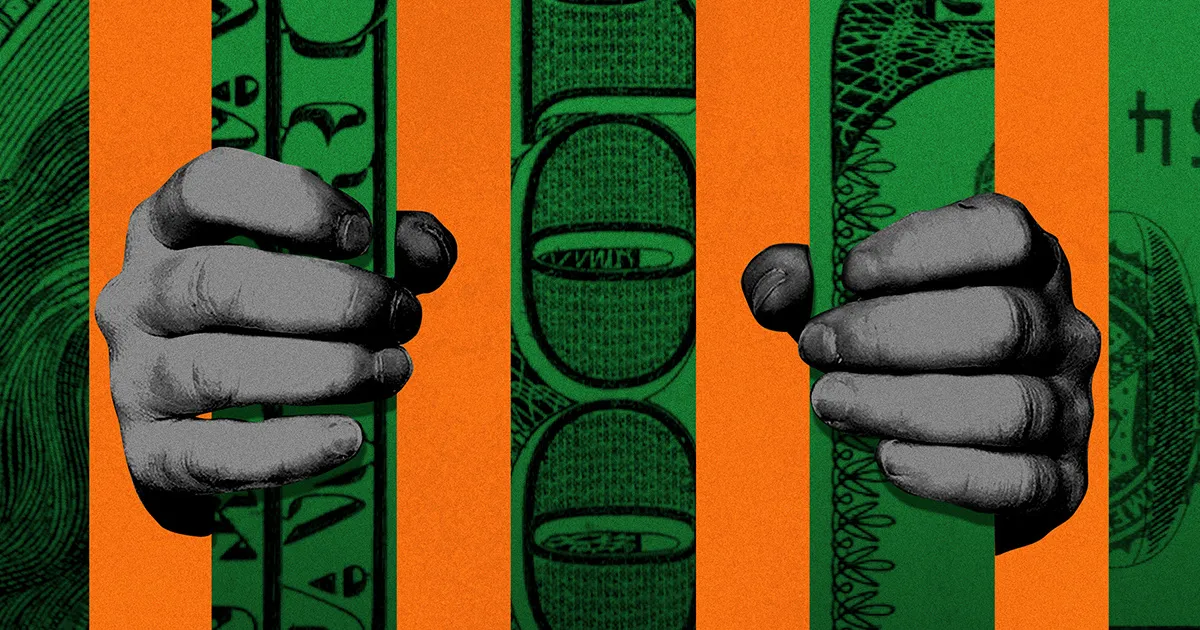
Louisiana Governor Jeff Landry’s administration has proposed a $798 million corrections budget for the upcoming fiscal year, representing a 9 per cent increase over the inflation-adjusted total from fiscal year 2024. The proposed budget includes funding for 688 additional beds at the Louisiana State Penitentiary at Angola and an increase in per-diem payments to local sheriffs for housing state inmates. Landry’s administration is seeking an additional $14.3 million for prison medical care and $33 million for current-year medical costs, overtime, and supplies. Concurrently, Landry has proposed $165 million in cuts to education funding, including $40 million for state colleges and universities and $125 million for K-12 education.
ProPublica and Verite News analysis indicates that the number of prisoners paroled under Landry has plummeted to its lowest point in 20 years, partly due to a law ceding parole board power to a computerized algorithm. The prison population has increased by approximately 8 per cent in the two years since Landry took office, with the population expected to become older and sicker following the elimination of medical parole. The number of prisoners over the age of 70 has risen by 28 per cent since Landry’s inauguration, compared to an 8 per cent rise in the overall prison population.
A 2024 investigation found that 69 per cent of 17-year-olds arrested in three of the state’s largest parishes were charged with non-violent offences, despite a new law lowering the age of adult prosecution to 17. State Rep. Mandie Landry (Democrat) reported that corrections department officials requested she sponsor a bill allowing prisoners with associate’s degrees to reduce sentences by 90 days, suggesting an internal recognition of the growing crisis. The legislature proposed two healthcare bills: one to restore medical parole/furlough as exceptions, and another to double the hospice release window from two to four months.
A federal appeals court recently overturned a lower-court order for a court-appointed team to oversee medical care at Angola, citing the Prison Litigation Reform Act. The Crime and Justice Institute predicts that by 2034, the rollback of sentence reductions could double the state’s prison population, costing an estimated $2 billion in new infrastructure. Critics argue the 2024 criminal justice bills were passed without adequate fiscal analysis, with legislative staff reportedly not computing full expenses before approval.
The proposed budget marks a significant departure from the bipartisan prison reform package passed in 2017, which had reduced the nonviolent offender population by 55 per cent by 2021. Landry’s administration has dismissed concerns from experts that these rollbacks would swell the prison population and increase costs, insisting that tougher penalties are necessary to address violent crime. However, the financial implications are already visible in the state’s budget requests, with corrections spending rising while education funding faces substantial reductions.