Lord’s pitch slope and historical data key to England-India series decider
With the series level at 1-1, the 2.5-metre gradient at the Home of Cricket offers distinct advantages for seam and swing bowlers in the opening overs, while historical batting averages suggest a target near 300 is required for victory.
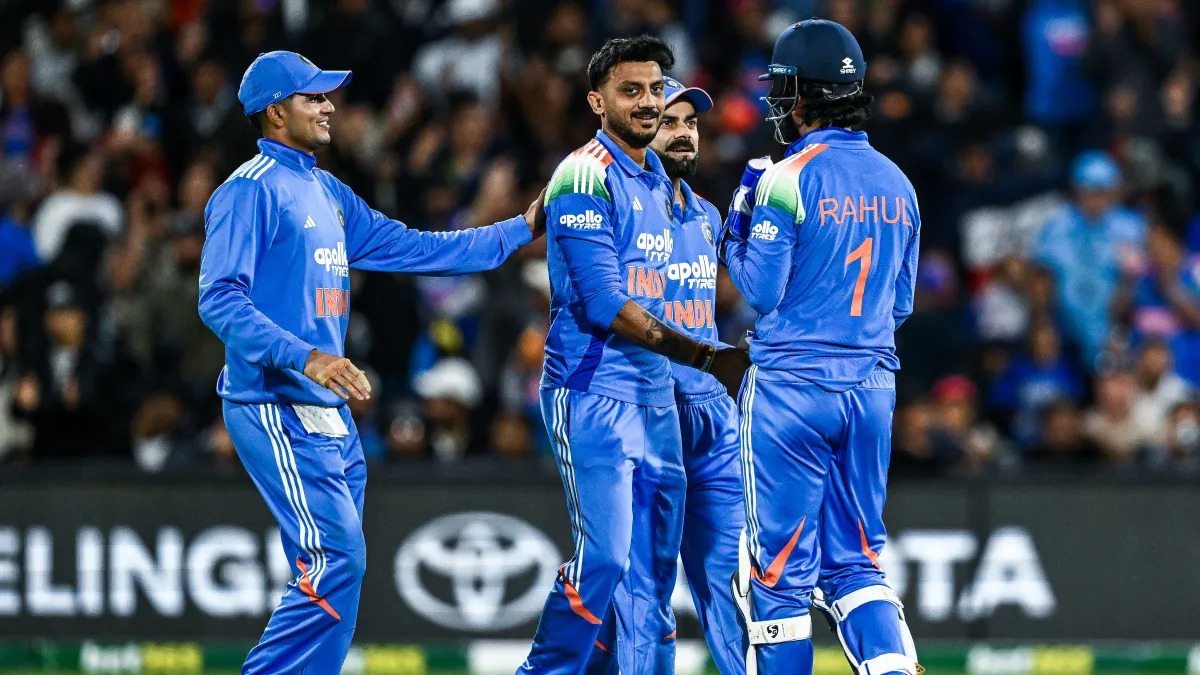
The third One Day International between England and India is scheduled for Sunday at Lord’s in London, with the series currently level at 1-1 following India’s six-wicket win at Edgbaston and England’s victory in Cardiff. The Marylebone Cricket Club, which owns the venue founded in 1814, will host the decider in front of a full house, with the outcome of the series resting on the final match.
The pitch at Lord’s is characterised by a 2.5-metre slope from north to south, a gradient that assists seam bowlers delivering from the Pavilion End and swing bowlers from the Nursery End during the early stages of play. This physical feature makes the new ball a significant factor in the opening overs, with batting conditions typically improving as the shine wears off and the ball ceases to move.
Historical data indicates a marginal advantage for teams batting first, who have won 35 of the 71 ODIs played at the venue, compared to 33 victories for chasing sides. The average first-innings score across the ground’s ODI history is approximately 232, a figure influenced by decades of lower-scoring cricket, though modern conditions view totals approaching 300 as strong competitive scores.
Individual records at the ground highlight the impact of the surface on player performance. West Indies legend Viv Richards holds the highest individual batting score with an unbeaten 138 in the 1979 World Cup final, while England’s Reece Topley recorded the best bowling figures of 6 for 24 against India in July 2022. Marcus Trescothick is the leading run-scorer with 595 runs, and Darren Gough is the top wicket-taker with 27 scalps.
Team totals at the venue have varied significantly, with England posting the highest score of 334 for 4 against India in the 1975 World Cup and South Africa recording the lowest total of 107 all out against England in the 2003 NatWest Series final. Lord’s has also hosted five Cricket World Cup finals, including England’s triumph in 2019 and India’s victory in 1983, cementing its status as a historic venue for international cricket.