London’s retired transport fleet finds new role in hospitality sector
Retired double-decker buses and Underground carriages are being converted into restaurants and afternoon tea venues, reflecting a broader trend of adaptive reuse within the capital’s cultural landscape.
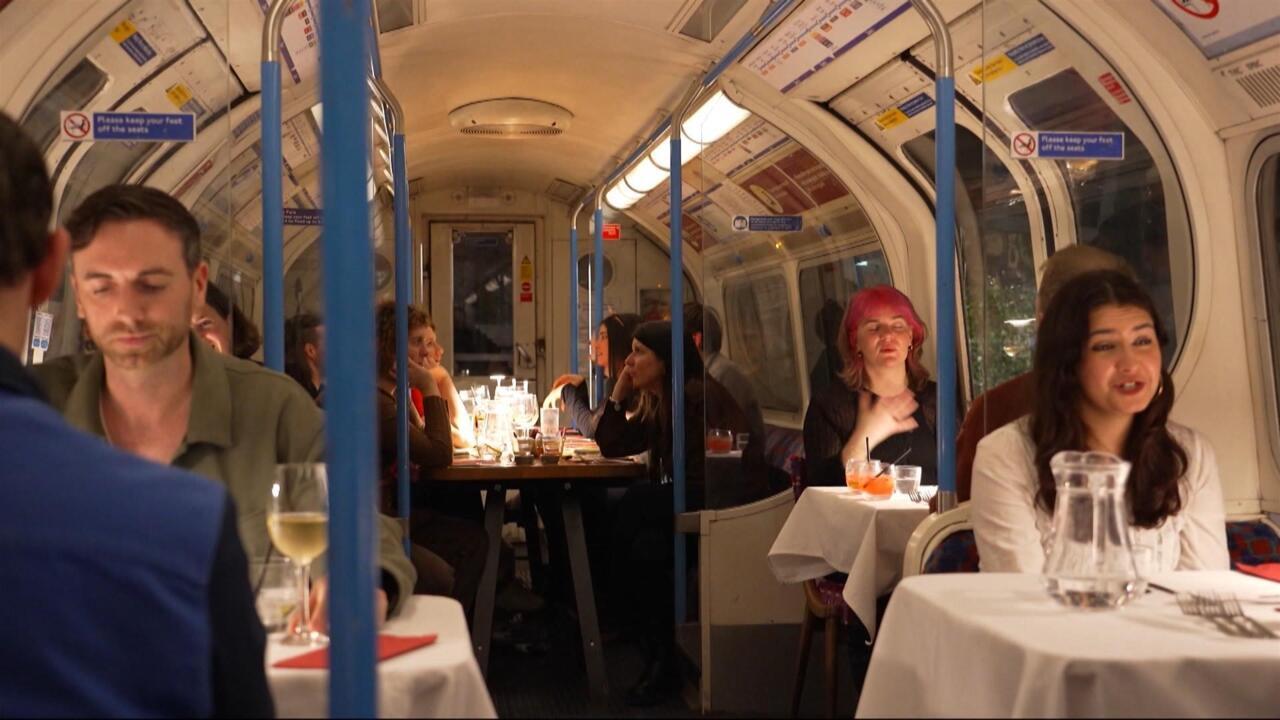
Retired London double-decker buses and Underground carriages are being repurposed into unique dining experiences, including restaurants and afternoon tea venues. The initiative offers a nostalgic look at the city's history and culture, transforming iconic transport vehicles into hospitality spaces.
Specific examples include underground carriages converted into restaurants and vintage buses serving afternoon tea. The report is produced by France 24 colleagues, with reporting by Guillaume Gougeon. The content was issued on 14/05/2026 at 15:52 and modified at 16:01.
The London Underground (the Tube) and red double-decker buses are deeply embedded in the city's cultural fabric. These vehicles are part of London's transport infrastructure and are considered iconic symbols of the British capital.
The trend reflects a broader movement of adaptive reuse, where ageing infrastructure is given a second life rather than being scrapped. This approach aligns with wider sustainability and heritage preservation efforts, though the primary driver here appears to be cultural engagement.
It remains unclear whether this is a widespread municipal programme or a collection of independent private ventures. The source material does not specify the number of vehicles currently repurposed or the specific locations within London where these dining venues are situated.
While the repurposing of these vehicles is notable, the report frames this as a cultural trend rather than an objective fact. The focus remains on the transformation of these assets into hospitality spaces that offer patrons a nostalgic engagement with the city’s heritage.
The London transport repurposing dining culture story highlights how historical assets can be integrated into modern commercial models. This development underscores the evolving nature of urban infrastructure and its intersection with the service industry.