Local elections held in Deir al-Balah and West Bank mark first vote in Gaza in two decades
Candidates must accept the Palestine Liberation Organisation programme; reforms shift voting from party slates to individuals amid ongoing regional conflict.
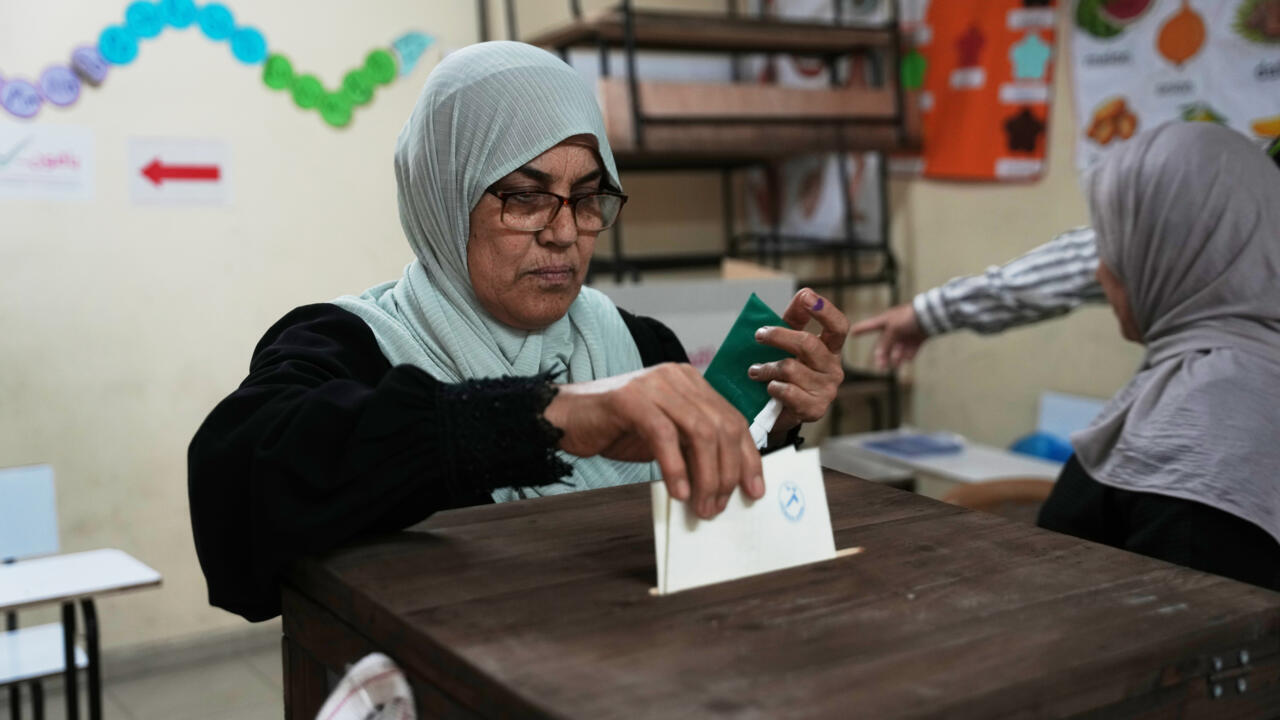
Palestinians in Gaza's Deir al-Balah and the Israeli-occupied West Bank cast ballots on Sunday for local council members, marking the first vote in the Gaza community in more than twenty years. The elections were conducted for councils tasked with overseeing essential services including water, roads, and electricity. While the Palestinian Authority hailed the event as a significant step toward future presidential and legislative elections, the results highlight the fragmented nature of the territory and the varying levels of engagement across regions.
Turnout figures varied significantly between the two areas, reflecting the distinct challenges each faces. In Deir al-Balah, participation stood at 23 per cent, with officials citing large-scale displacement and outdated civil registry records as obstacles to higher engagement. Conversely, turnout in the West Bank reached 56 per cent, involving over half a million people, a figure not dramatically different from recent years in that territory. The Palestinian Authority, led by the Fatah faction, described the outcome as a success despite these disparities.
The electoral framework underwent changes in response to international pressure, shifting the system from voting for party slates to selecting individual candidates. This reform was designed to address low faith in political parties, where family and clan ties often outweighed party loyalty in campaigning. However, a strict condition remained for all candidates: they were required to accept the programme of the Palestine Liberation Organisation (PLO). This programme calls for the recognition of Israel and the renunciation of armed struggle, a stance that effectively sidelines Hamas and other factions opposed to these terms.
Hamas did not field candidates in Deir al-Balah and did not attempt to block the vote. Consequently, the election results were dominated by independents and Fatah, the faction that leads the Palestinian Authority. Rami Hamdallah, chair of the Central Election Commission, described the vote as a reflection of national unity despite severe political, security, and economic challenges, including the fragmentation of Palestinian territory and the ongoing war in Gaza. He expressed hope that the poll would pave the way for broader elections in the near future.
Political leaders offered divergent views on the significance of the local poll. Prime Minister Mohammad Mustafa characterised the elections as another step on the path to full independence. However, prominent figures like Bashar Masri have argued that municipal elections are insufficient, with many Palestinians seeking general elections to gain a greater say in their future. This sentiment underscores the long-standing frustration within the population regarding the lack of a presidential election in the Palestinian Authority since 2005.
The elections take place against a backdrop of complex regional dynamics, with Israel under Prime Minister Benjamin Netanyahu opposing a Palestinian state. While the Palestinian Authority remains the internationally recognised representative of the Palestinian people, its influence has waned due to years of corruption and security concerns. The vote in Deir al-Balah, a community devastated by two years of war but spared an Israeli ground invasion, serves as a pilot for potential future polls across the Gaza Strip.