Local Election Results Signal Structural Shift in UK Governance as Reform UK Consolidates Power
Prime Minister Keir Starmer accepts responsibility for the outcome but rules out resignation despite the loss of over 258 seats; Reform UK capitalises on former Labour strongholds while the Green Party fails to convert anticipated support into electoral gains.
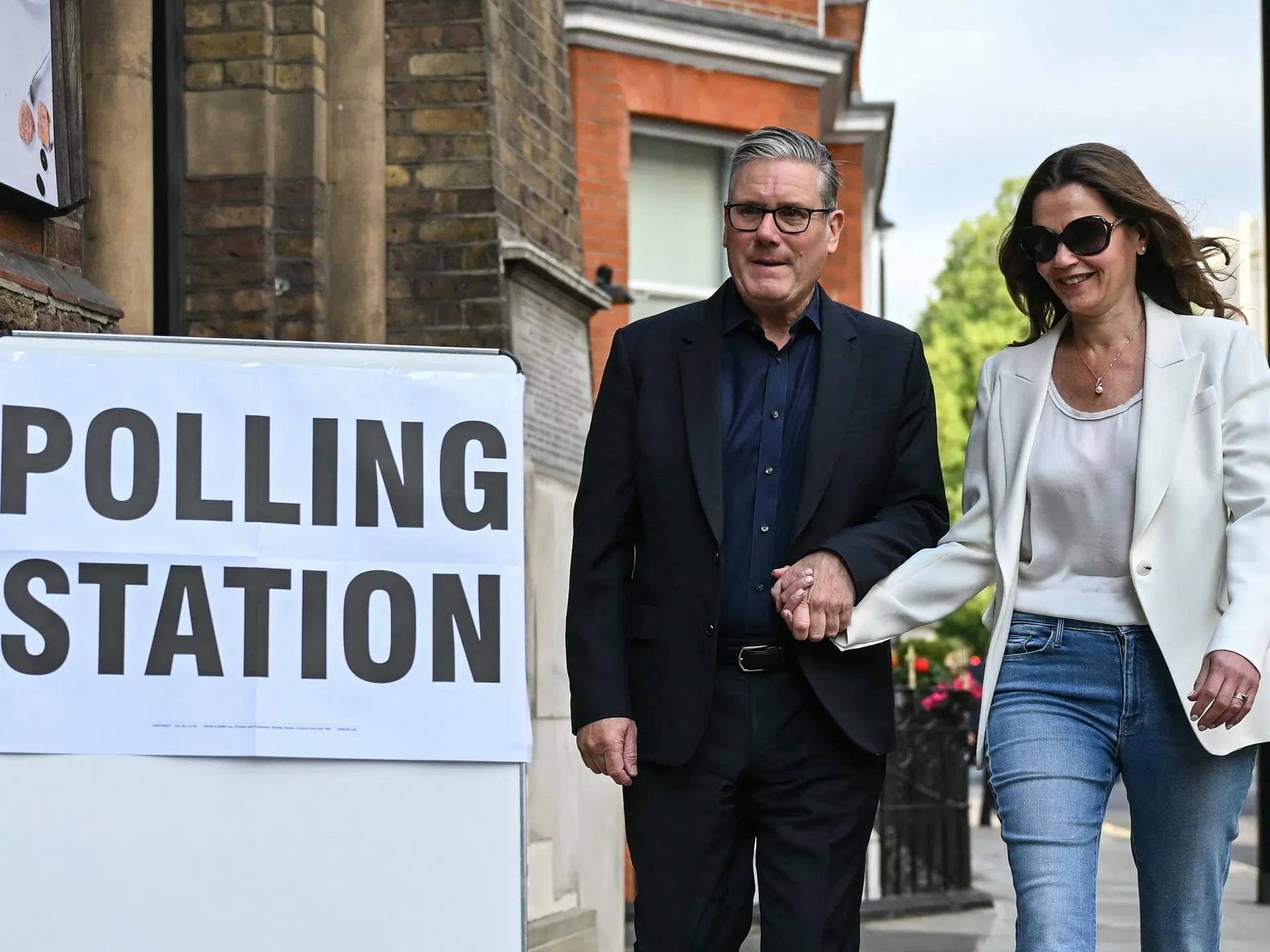
Early results from the UK local elections indicate a profound realignment of local governance, with the governing Labour Party recording substantial territorial losses while the Reform UK party secures significant new ground. By 9:00 GMT, the Labour Party had lost more than 258 seats, a result that marks a severe blow to the administration's hold on local authority across the country. In contrast, Reform UK has made substantial early gains, securing 382 seats and establishing control over councils in areas previously dominated by the centre-left.
The most striking shifts have occurred within the so-called "Red Wall," a belt of former industrial areas in northern England that has historically supported Labour but is now showing a distinct policy pivot. In Wigan and Leigh, two former mining towns in North West England, Reform UK won 24 of 25 seats, effectively ending decades of Labour dominance in these communities. Furthermore, in Tameside, the party managed to end 47 years of Labour control over the regional council, signalling a deepening fracture in the traditional political landscape of the north.
Reform UK also achieved its first council win of the campaign by taking Newcastle-under-Lyme in Staffordshire, switching the administration from Conservative control to the populist party. This expansion extends into the Greater Manchester and Liverpool City Region, where early data suggests the party is successfully challenging the status quo in major urban centres. The success in these jurisdictions suggests that the electorate is actively seeking an alternative to the current political establishment.
Prime Minister Keir Starmer acknowledged the severity of the defeat, describing the results as "very tough" and stating that he takes full responsibility for the outcome. He noted that the loss of brilliant representatives who dedicated themselves to their communities was painful and warranted reflection. However, Starmer firmly ruled out resignation, asserting that such days do not weaken his resolve to deliver the change he promised to the electorate.
The broader political landscape saw mixed results for the Conservative Party, which lost 139 seats overall despite making gains in London, including the Westminster Council. Meanwhile, the Green Party failed to translate anticipated support into significant seat gains, securing only 23 seats. Green Party leader Zack Polanski had capitalised on public anger regarding the war in Gaza to garner support among younger voters, but this momentum was not sufficient to convert into local council victories.
The election serves as a critical test of Starmer's leadership, particularly as the party trails Reform UK in recent opinion polls. With approximately 5,000 seats up for grabs across 136 English councils, including 32 boroughs in London where Labour has historically dominated, the full extent of the results remains to be determined as more data is released. The outcome will likely influence future national political dynamics and the prospects for the next general election.