Local council elections in Palestinian territories see limited participation and Fatah dominance
The Palestinian Authority states the process aims to foster unity, though the geographic scope and low engagement raise questions about the outcome's representativeness.
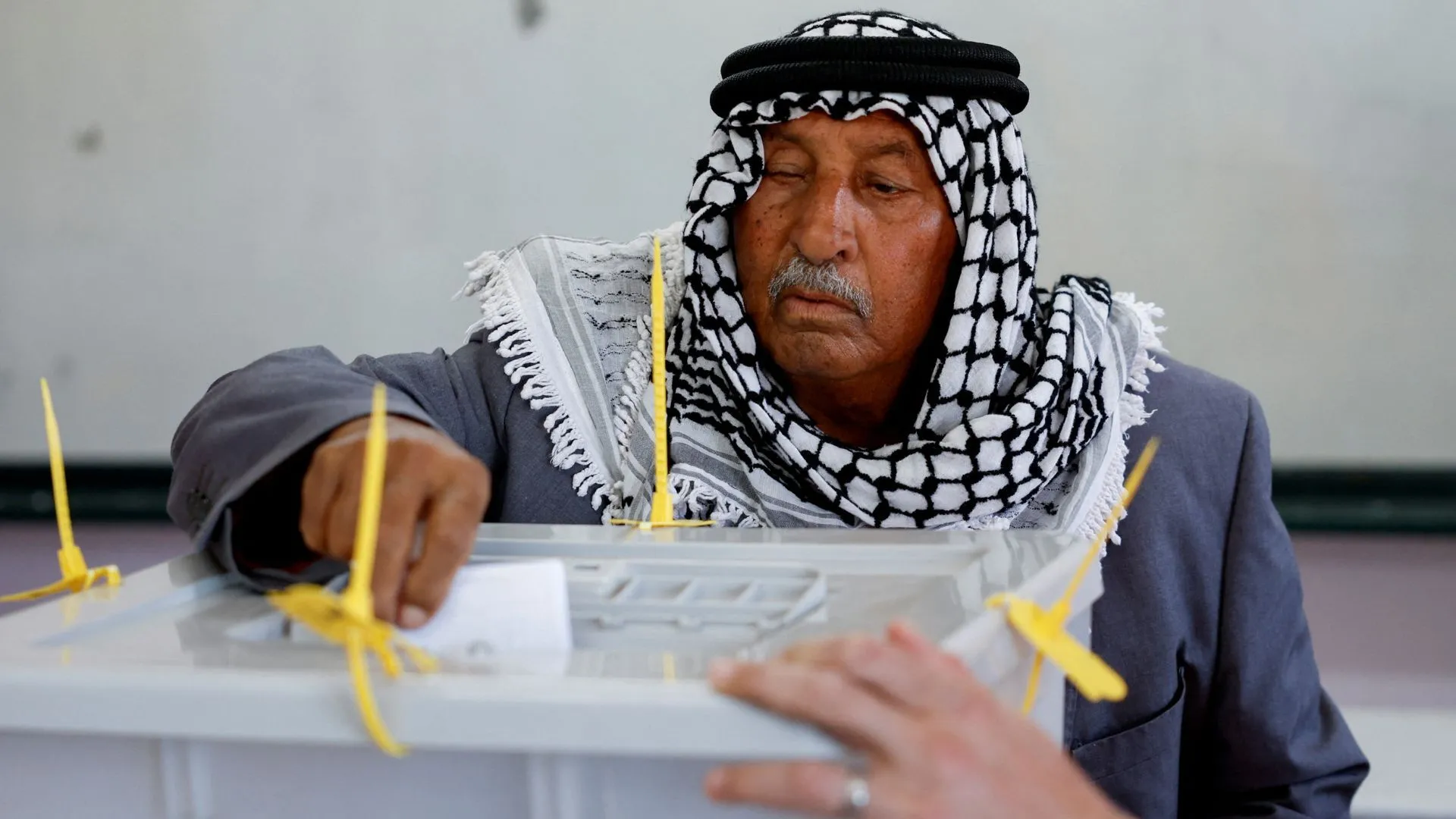
The Palestinian Authority's Fatah party and its affiliated groups have secured a majority of seats in recent local council elections. The results were announced following a voting process that was severely constrained by a lack of candidates in several key areas.
Voting did not take place in Ramallah and Nablus because there were insufficient candidates to field ballots in those locations. Consequently, the election was effectively restricted to Deir el-Balah, which remains the sole voting area in Gaza where polling stations were established.
In the only area where voting occurred, reported turnout stood at 25 per cent. This figure reflects the low level of engagement among eligible voters in Deir el-Balah, highlighting the limited reach of the exercise across the broader Palestinian territories.
The Palestinian Authority maintains that the primary objective of these local elections is to promote unity among Palestinians. Officials argue that such local contests serve as one of the few mechanisms currently available for residents to exercise their democratic rights under existing conditions.
However, the practical utility of the results remains unverified given the specific circumstances of the vote. With most candidates fielded belonging to Fatah and its affiliates, the outcome reflects the preferences of a small segment of the electorate in a single municipality rather than a comprehensive mandate.
The broader context of Israeli occupation and ongoing violence continues to shape the environment in which these elections were conducted. Analysts suggest that the efficacy of the vote in improving daily conditions for Palestinians living under these constraints is currently unclear.
As the results are processed, the focus remains on whether this limited exercise will translate into any tangible governance changes or if it serves primarily as a symbolic gesture of institutional continuity.